
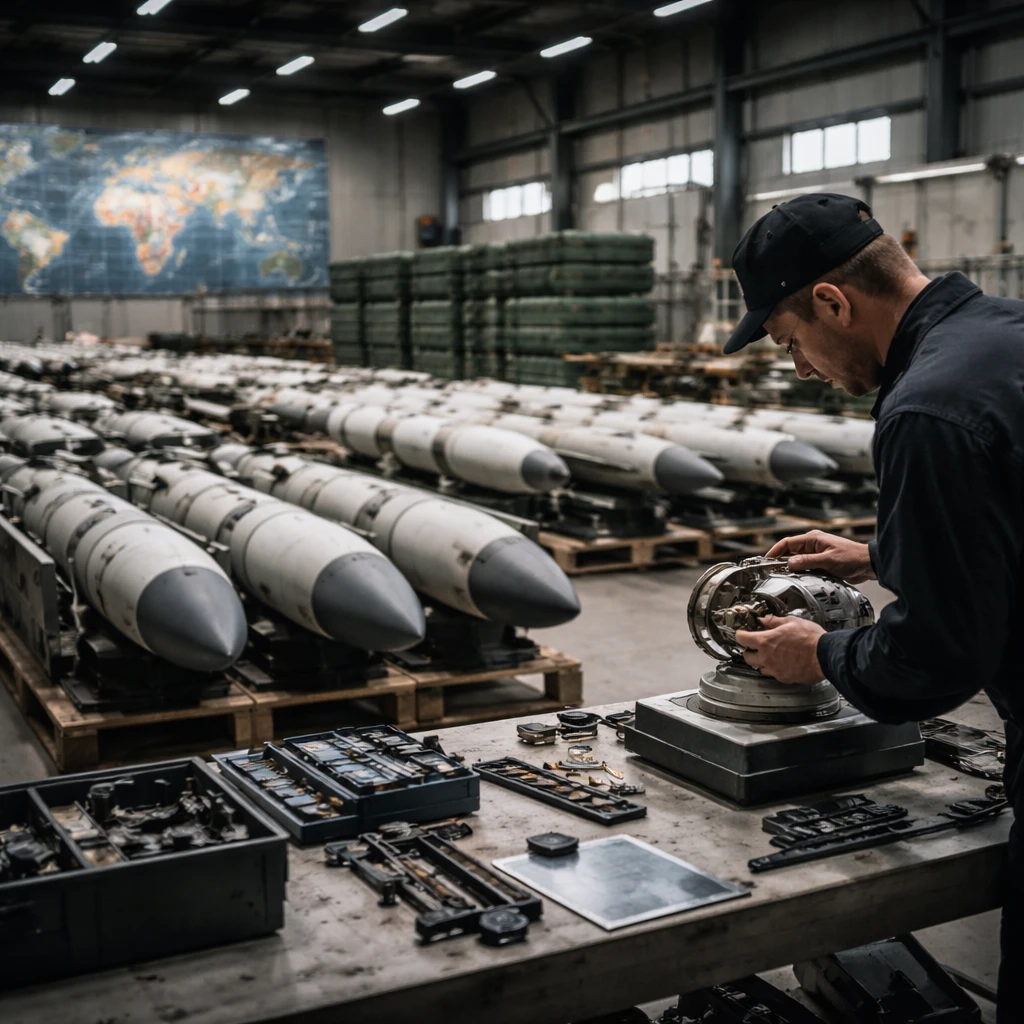
European Union states raised alarms this week over a looming global shortage of air defense interceptor missiles during a closed-door meeting in Brussels, according to a report from Bloomberg News, citing people familiar with the matter. Delegations told colleagues that continued fighting in the Middle East could intensify pressure on already stretched inventories.
Officials noted that European nations have already leaned on their missile reserves to support Ukraine's defense against Russia. Those conversations, according to people who spoke on condition of anonymity to discuss private talks, warned that diverting European interceptors to partners in the Gulf would carry a direct trade-off with supplies earmarked for Ukraine. Moscow officials, the people added, expect such a redirection of resources to take place.
In East Asia, production capacity presents its own limits. Japan's Mitsubishi Heavy Industries manufactures Patriot air defense missiles under license from Lockheed Martin Corp., but its ability to add substantially to global inventories is constrained. MHI is raising annual output from around 30 units per year, yet faces a supply bottleneck in component parts known as seekers, which must be sourced from the United States.
The U.S. itself had a substantial production run in 2025, producing about 600 of the missiles. Separately, Tokyo exported a batch of Patriot missiles to the U.S. last year, but Japanese defense officials stress they require deeper inventories of both Patriot systems and ship-launched SM-3 missiles used in air defense.
South Korea is also weighing adjustments to regional deployments. Foreign Minister Cho Hyun said Seoul is in discussions with United States Forces Korea about the potential redeployment of weapons, including Patriot batteries.
Ukraine remains under significant missile attack from Russia and requires a steady inflow of interceptors to sustain its air defenses, the people said. The combination of existing commitments to Ukraine, the prospect of additional demands from the Middle East and production constraints in key manufacturing hubs underpins the concern expressed in Brussels.
Note: Sources cited in this reporting asked to remain anonymous when discussing private diplomatic exchanges.