
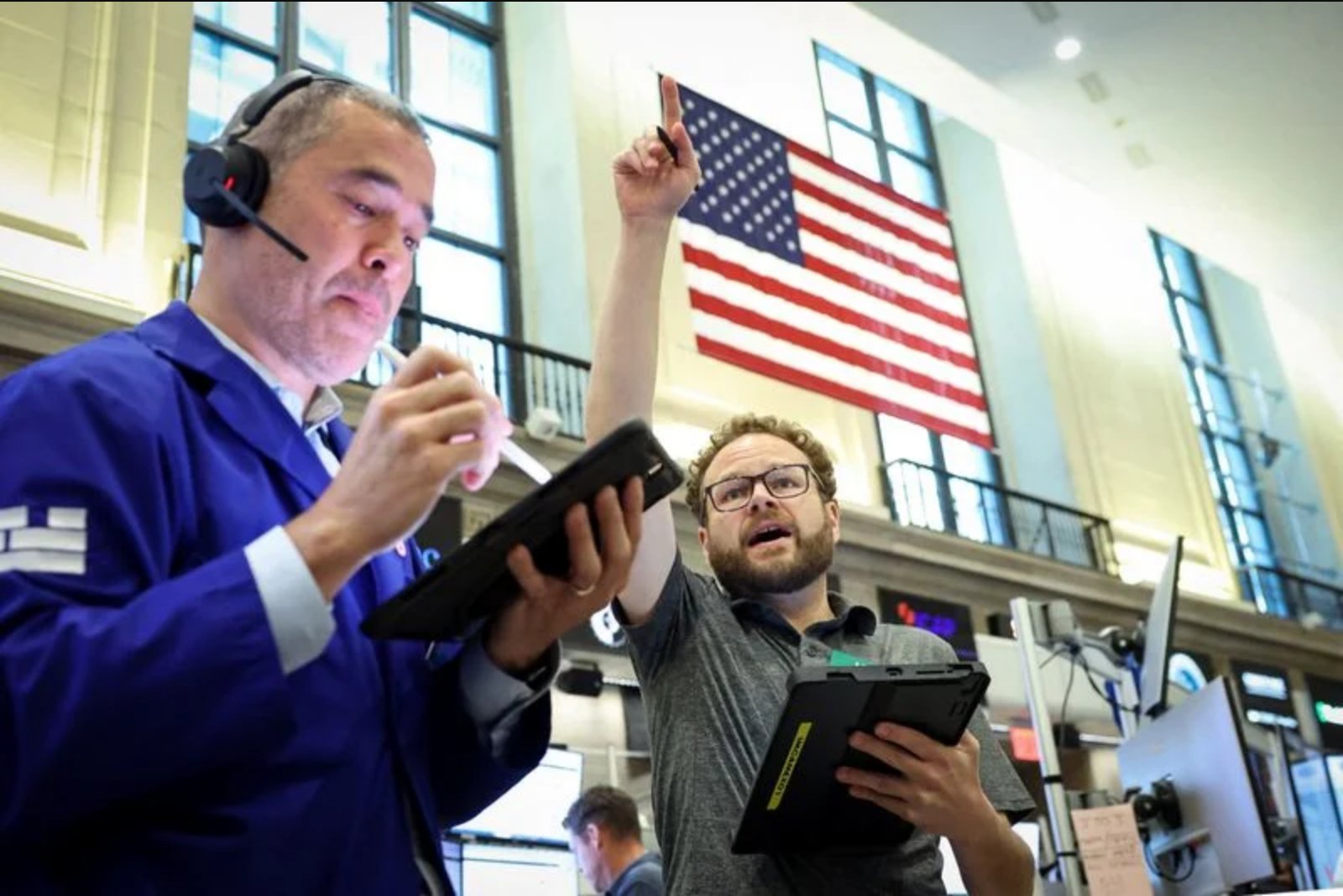
Global equity markets extended their upward trajectory on Tuesday, hitting new record highs. This momentum appears to be supported by a lack of significant escalation in tensions between the United States and Iran, alongside a period of relative stability within bond and currency markets. These conditions have provided a favorable environment for continued buying activity across various global indices.
In the United States, market performance was characterized by outperformance in small-cap stocks and sectors outside of traditional technology. Although the primary headlines frequently highlight the massive hyperscalers and major Big Tech entities, there has been an almost stealthy rally occurring within small-cap technology stocks this year. These smaller players have emerged as significant beneficiaries of the ongoing artificial intelligence boom.
Market Performance and Sector Dynamics
The breadth of the market rally was evident across several key indices. The MSCI All Country, MSCI Asia ex-Japan, MSCI Emerging, and S&P 500 all reached new record highs during Tuesday's session. In Europe, markets rose by 0.8% fueled by optimism in the technology sector, while the United Kingdom saw a 0.3% increase led by cyclical stocks.
Sector-specific movement showed a split in performance across the S&P 500:
- Rising Sectors: Seven sectors saw gains, including Utilities which rose by 2%.
- Declining Sectors: Four sectors faced headwinds, with Communication Services dropping by 2.6%.
Individual stock performances were notably diverse. Marvell Technologies saw a significant jump of 32%, while Hewlett Packard climbed 20%. Super Micro Computer also gained 7%. Conversely, some major players faced declines, such as Alphabet falling 4%, Microsoft down 4%, and Dell decreasing by 7%. Boeing also recorded a loss of 3%.
Corporate Capital Movements: The Alphabet Financing Strategy
A major development in the corporate landscape involves Alphabet. The parent company of Google announced a significant equity financing plan totaling $80 billion. Notably, $10 billion of this amount is expected to come from Berkshire Hathaway. This move comes as companies face rising debt costs and massive capital expenditure requirements related to artificial intelligence. For context, Alphabet's AI-related capex spend for this year is projected to be nearly $200 billion, a substantial figure compared to the $126 billion in cash the company held at the end of March. This equity raise follows more than $85 billion in debt issued by the company over the previous year.
Labor Market and Inflationary Pressures
The U.S. labor market provided mixed signals via the JOLTS data released on Tuesday. Job openings in April rose to their highest level in two years, marking the fastest increase in a five-year period. While this indicates sustained demand for workers and suggests that AI has not yet led to job destruction, the composition of the data reveals nuances. Approximately 90% of these openings were concentrated within the professional and business services sector. Additionally, rates regarding hiring, quits, and layoffs have fallen, which may indicate a stagnating market rather than one that is actively buoyant.
In Europe, inflation data has reinforced expectations for monetary policy shifts. Eurozone inflation rose above 3% for the first time since September 2023. This development has virtually confirmed the likelihood of a 25-basis-point interest rate hike by the European Central Bank (ECB) next week. Market participants are currently looking toward further tightening, with traders leaning toward a total of 50 basis points in rate increases by the end of the year.
Currency and Fixed Income Trends
The foreign exchange and bond markets experienced several key shifts:
- Currencies: The USD/JPY pair approached the 160 level, leading to increased trader alertness regarding potential intervention from Japan. Bitcoin saw a decline of 6%, moving toward the $66,000 mark.
- Bonds: The 10-year Japanese Government Bond (JGB) yield fell by 11 basis points following a strong auction, representing the most significant decline since April of last year. This has placed the pace of the Bank of Japan's tapering under scrutiny. In the U.S., yields at the long end saw a decrease of 3 basis points.
- Commodities: Oil prices rose by 1%, while gold remained steady.
Key Economic Indicators and Outlook
Market participants are now turning their attention to several upcoming data points and central bank communications that could influence volatility:
- U.S. Data: Upcoming reports include May ADP private sector employment, U.S. services ISM, and U.S. factory orders for April.
- Global Growth: Australia's Q1 GDP and various PMI data for the U.S., China, Japan, the euro zone, and the UK are expected.
- Central Bank Voices: Scheduled speeches include officials from the European Central Bank (Frank Elderson and Piero Cipollone), the Reserve Bank of New Zealand (Chief Economist Paul Conway), the Bank of Japan (Governor Kazuo Ueda), and U.S. Federal Reserve officials (Governor Michael Barr and Dallas Fed President Lorie Logan).