
LONDON, March 4 - Corporate issuers and institutional shareholders, among them investors from the Gulf, initiated a string of sizable share sales worth tens of billions of dollars in the days following a sharp escalation of conflict in the Middle East, according to advisers and market data.
Data from LSEG show approximately $20 billion of equity transactions were launched in the three trading sessions from Friday through Tuesday. That volume represented nearly 16% of the roughly $130 billion in equity deals that have been announced so far this year. The three-day surge was close to three times the average daily issuance seen over the previous two months.
Last week emerged as the busiest week of the year for global equity capital markets, with just over $25 billion of transactions recorded in the data. Year-to-date proceeds from equity issuance are up 60% compared with the same period in 2025.
Several equity advisers said companies and their backers moved to access investor demand quickly, in part to avoid the risk that markets could turn less receptive if volatility rose further. "If you’re confronted with an option where you’ve got very strong visibility over an outcome and it’s available, in an environment where volatility is picking up, it’s probably the right thing to take what’s in front of you," said Tom Johnson, global head of capital markets at Barclays. Johnson, who advised on a $2.5 billion raise for Britain’s Rosebank Industries on Tuesday, added: "If you think the market is strong enough to do these deals, there’s a sense you should just get on with things."
A notable transaction in the flow of offerings involved shareholders in U.S.-listed medical company Medline. That group, which includes the Abu Dhabi Investment Authority (ADIA), Blackstone and Carlyle, has been among those seeking to sell shares. The planned sale could be around $3.4 billion and, when priced, will be included in the recent tally of deals launched since Friday.
ADIA declined to comment. Medline and the other investors did not respond to requests for comment on the timing of the proposed sale.
Not all issues were motivated solely by a rush to exit. Some companies went to market to fund planned acquisitions. French energy group Engie raised 3 billion euros on Friday to help finance its acquisition of UK Power Networks. Alexis Le Touze, head of equity capital markets for France at BNP Paribas, said part of the reasoning for launching the deal on Friday was to get ahead of any potential disruption, coupled with a strong reception from investors and multiple inquiries. "If things in the market are getting worse and worse, you may not be in a position to finance your project or finance your acquisition," he told Reuters, citing the broader uptick in sales since Friday.
An Engie spokesperson said the firm pressed ahead with the capital raise largely because of the favourable investor response and market conditions.
Rosebank’s fundraise, Johnson said, proceeded on a pre-established timetable and was not accelerated in reaction to the Middle East conflict. A spokesperson for Rosebank said the fundraise had been announced at least a fortnight before the outbreak of hostilities and the company was keen to move the process to deal completion swiftly.
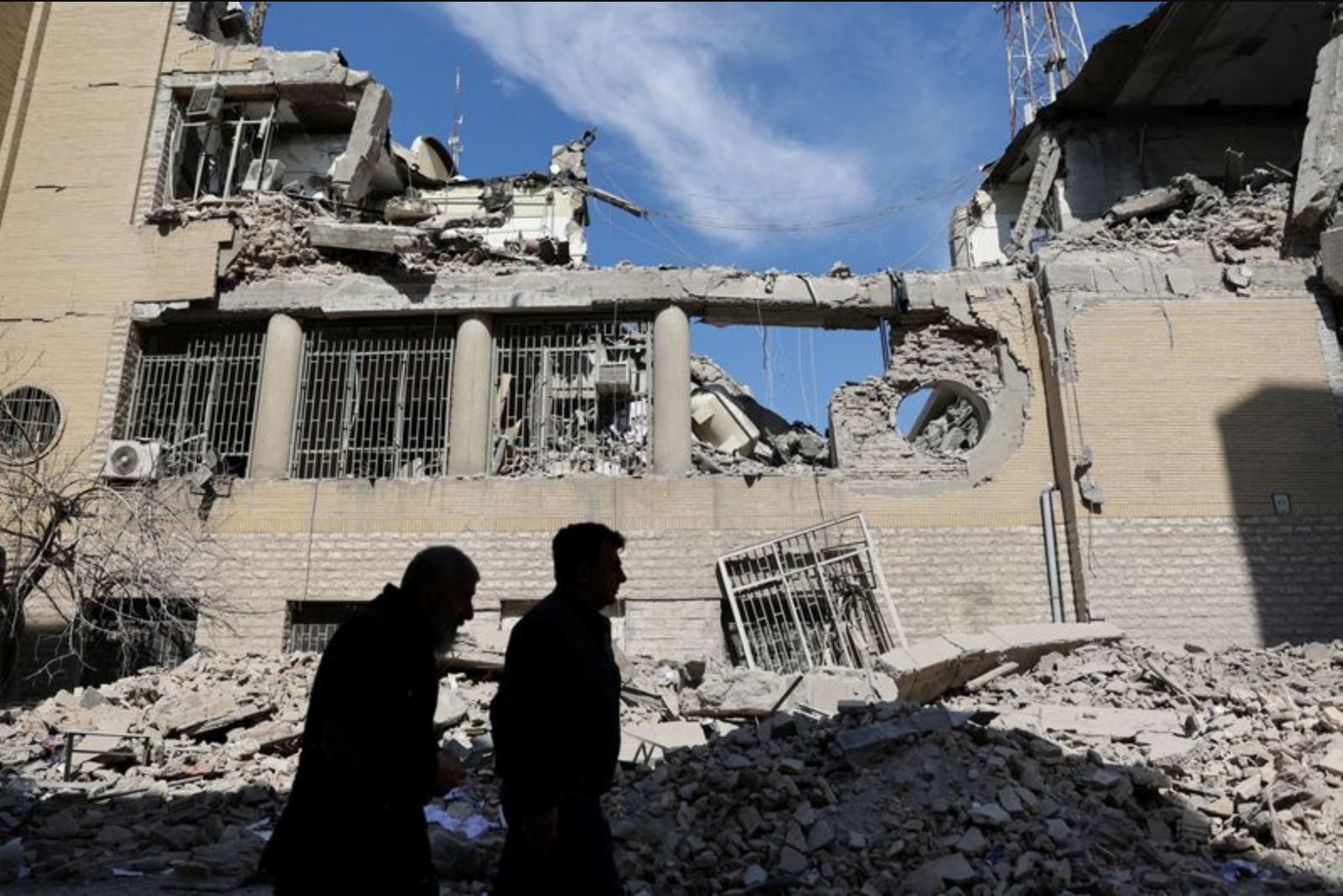
Market participants noted that the escalation of hostilities - triggered by U.S. and Israel attacks on Iran and followed by strikes by Tehran across the region - has unsettled markets. That backdrop has prompted some issuers and shareholders to act quickly to secure capital while investor appetite remains solid.
Tom Swerling, global head of equity capital markets at Deutsche Bank, observed that if volatility persists for weeks, transactional activity could slow. He also emphasised a contrasting reality: "at the end of the day, we have a lot of clients that still need to do deals."
($1 = 0.8595 euros)