
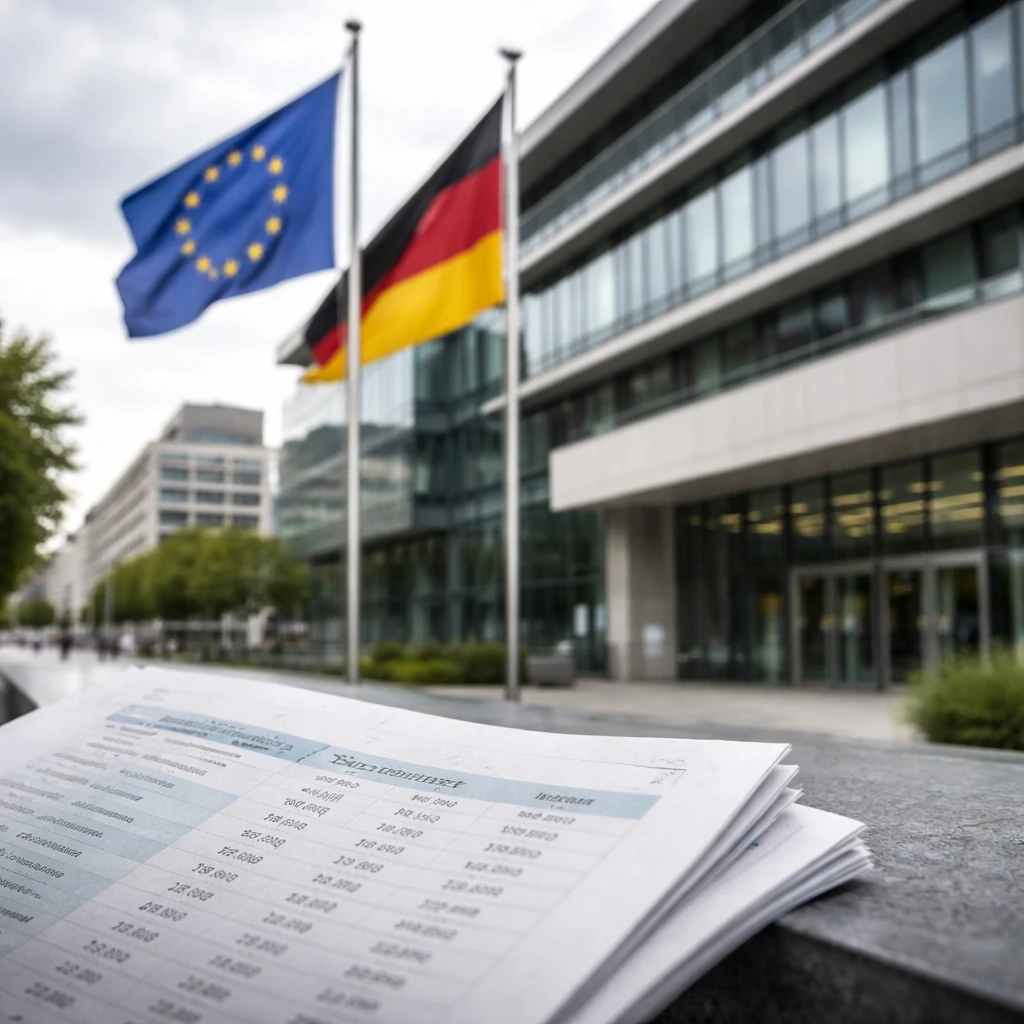
Preliminary data published Friday by Germany's national statistics office showed headline inflation slowing to 2.7% in May, down from 2.9% in the previous month. The result came in slightly below the 2.8% reading forecast by economists polled by Reuters for the EU-harmonized consumer price index.
Despite the moderation in the overall rate, the measure of core inflation - which excludes volatile food and energy components - rose to 2.5% in May from 2.3% in April. The divergence between the headline and the core series highlights a form of disinflation at the top-line level while underlying price pressures firmed marginally.
The German release precedes an EU-wide inflation update scheduled for Tuesday. Economists surveyed by Reuters expect euro zone inflation to climb to 3.3% in May, up from 3.0% in the prior month. That broader euro area print will provide additional context for policymakers weighing the outlook for price stability across the currency bloc.
Policy considerations remain central. The European Central Bank held its policy rate steady at its April meeting. ECB guidance, as reflected in the national and regional inflation numbers, suggests that if inflation were to rise further the bank could consider additional policy action next month. The May figures therefore take on heightened importance for markets and for companies monitoring the cost of capital.
From the perspective of businesses and categories sensitive to input-cost pass-through, the combination of softer headline inflation and slightly stronger core inflation presents mixed implications. Headline easing can relieve some near-term consumer price pressure, while an uptick in core inflation points to persistent underlying cost dynamics that may influence pricing strategies, margins, and distribution decisions.
Market participants and corporate managers will be watching the euro zone release closely, as the regional aggregate is expected to show an uptick. The sequence of national and bloc-level data over the coming days will be used to assess whether the recent moderation in headline rates represents a durable trend or a temporary shift amid still-elevated core pressures.
For now, Germany's preliminary May readings paint a nuanced picture: headline inflation has eased below market forecasts, yet the core measure edged higher, leaving policy options contingent on the next set of inflation signals.