
Summary
Average residential property prices in Germany are projected to grow by about 3% annually through 2028, a trajectory that market participants say will likely exceed overall inflation and further squeeze affordability for people seeking to buy their first home. The forecasts follow a rebound in the housing market after a prolonged downturn, with recent indicators pointing to continued, albeit fragile, recovery.
Key points
- Analysts forecast average home price increases of 3.3% in 2026 and 3.0% in both 2027 and 2028.
- Rents in urban areas are expected to rise between 3.0% and 4.5% over the coming year, slightly outpacing home price growth.
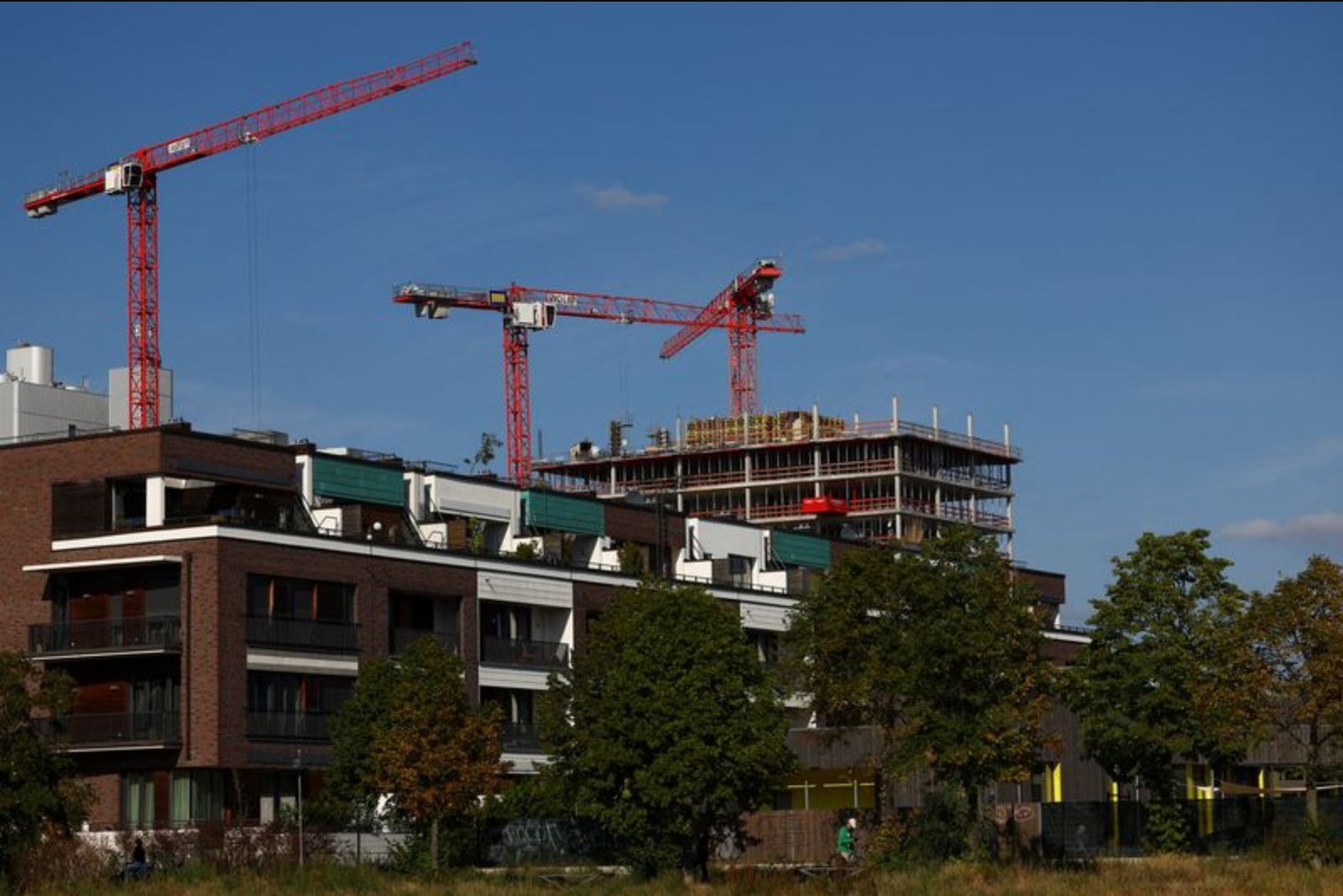
- Building permits rose in 2025 for the first time in four years, and new construction is not keeping pace with estimated demand.
Detailed analysis
After experiencing what has been described as the worst slump in decades, Germany's housing market has seen a recovery over the past year. Prices are up nearly 6% from an early 2024 trough. Sentiment among property analysts, gathered in a poll of 12 participants conducted between February 24 and March 5, points to continued price growth through 2028.
The panel's median outlook calls for average home prices to rise 3.3% in 2026 and 3.0% in each of the following two years. That trajectory remains largely unchanged from projections compiled in November, despite the expectation that the European Central Bank will hold euro zone interest rates steady at least for the rest of this year after a sequence of cuts that supported the market's recent rebound. Poll participants noted, however, that the probability of a rate increase has risen because of potential inflationary pressures tied to the conflict in the Middle East, creating an added element of uncertainty for markets.
Affordability is a central concern. "The market's recovery is likely to continue but remains shaky. Consumers remain cautious given high levels of uncertainty both for geopolitics but also domestic policies, the rise in unemployment and slowing wage growth," said Carsten Brzeski, global head of macroeconomics at ING. "Affordability remains a concern. The risk is high the average age of first-time homebuyers will increase further."
Ten out of the 12 analysts surveyed said properties would become less affordable for first-time buyers over the coming year. A persistent shortage of housing units is expected to keep upward pressure on both prices and rents. A spring report by real estate experts projects just over 200,000 new homes are likely to be built this year, a figure well below estimates of need. A study commissioned by the German housing ministry last year suggested that 320,000 new homes would need to be completed annually by 2030 to meet existing demand.
Pressure on rental markets is acute in urban centers. "Vacancy rates for apartments in some metropolitan areas are falling below 1%, while demand remains strong. In larger cities, only just over 50% of the required apartments are being completed," said Benedikt Horwedel at LBBW. "A noticeable easing of the situation is not conceivable for several years."
Average urban home rents are forecast to increase between 3.0% and 4.5% over the coming year, the poll showed, meaning rents are expected to rise slightly faster than home prices. The combination of constrained supply, steady demand and inflationary risks underpins the consensus among analysts that affordability pressures will deepen, particularly for first-time buyers and renters in major cities.
Note: The price and construction projections reflect the results of a poll of 12 property analysts conducted between February 24 and March 5.