
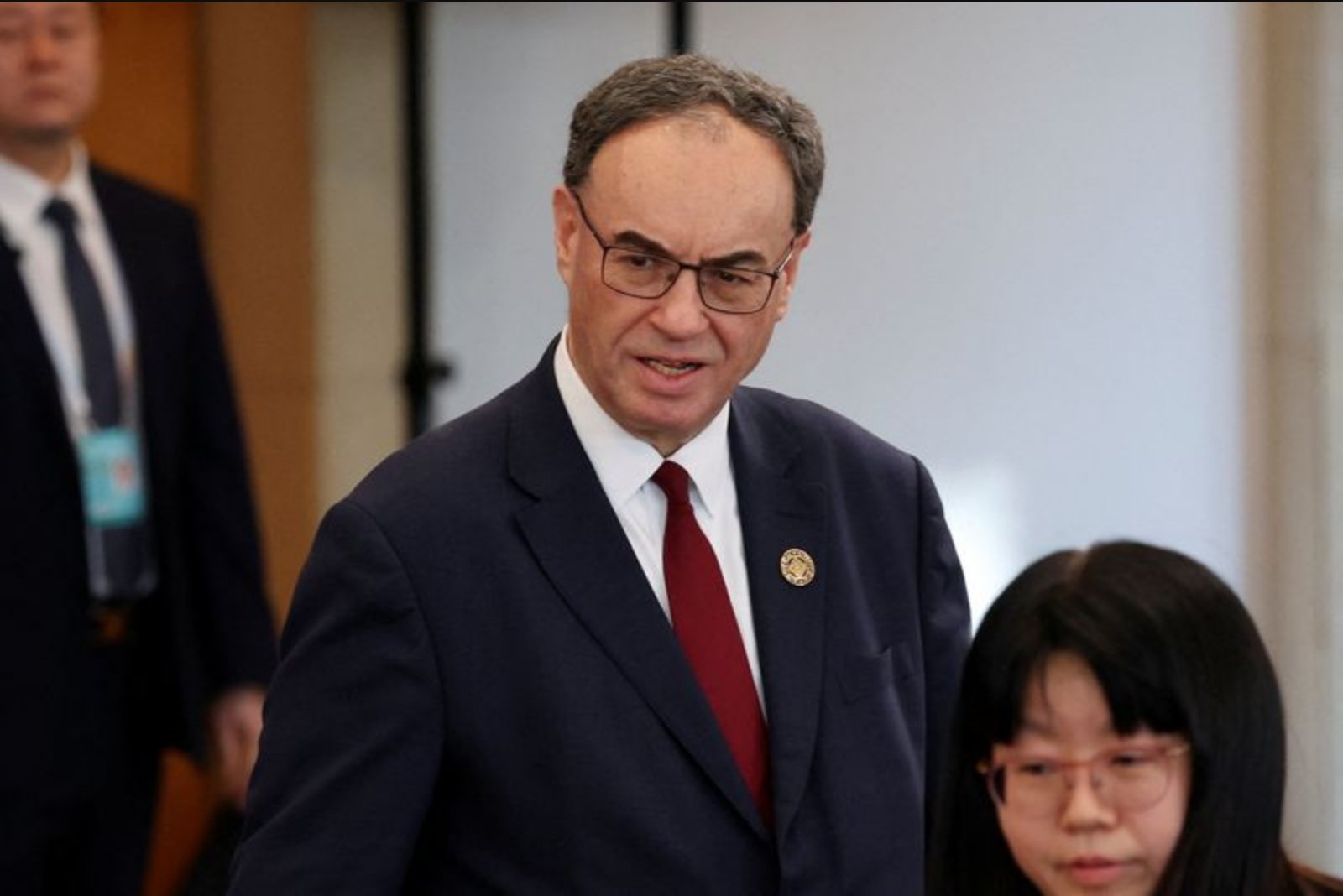
LONDON, March 12 - Andrew Bailey, who leads the Financial Stability Board (FSB) and serves as governor of the Bank of England, used a speech at an FSB payments summit to press governments to move more quickly on both international and domestic payments reforms. He said that while the G20-backed roadmap for improving international payments has produced progress, implementation across jurisdictions remains uneven and work remains to be done.
Uneven progress and clear challenges
Bailey stressed that despite advances under the roadmap, policymakers face significant obstacles. "We have some tough challenges ahead," he said, emphasizing the gap between the roadmap's aims and on-the-ground delivery. He highlighted long-standing criticisms of cross-border payment systems, noting their relatively high costs, slow settlement times and limited transparency compared with increasingly streamlined domestic payment rails.
In a recent assessment, the FSB reported that global authorities were on track to miss a 2027 target intended to reduce the average cost of cross-border retail payments to no more than 1% and to ensure that 75% of wholesale and retail payments are credited within an hour of being made. Bailey warned that if frictions in international payments persist, they could erode financial stability and damp economic growth.
Review and supervisory work toward 2027
As part of the response, Bailey said the FSB will pursue work leading up to a 2027 review of its recommendations on data frameworks and supervision. That process is intended to assess the effectiveness of guidance and oversight mechanisms and to inform next steps on aligning implementation across jurisdictions.
Stablecoins and the push for faster cross-border flows
Bailey’s comments came against a backdrop of intensifying advocacy from the crypto industry for more accommodating regulation of stablecoins - digital tokens typically pegged to currencies such as the U.S. dollar. Proponents say stablecoins can provide quicker and cheaper options for cross-border payments. The article notes that stablecoins are already used in parts of emerging markets and in international trade to bypass traditional banking rails.
Regulators, however, have cautioned that inadequately supervised stablecoins pose risks to financial stability, consumer protection and monetary sovereignty. Those warnings were cited in the context of the broader push to modernize global payments while maintaining oversight and safety.
Summary: At an FSB payments summit, Andrew Bailey urged accelerated reforms to international and domestic payment systems, warned that persistent frictions risk fragmenting the global financial system, and announced work toward a 2027 review of FSB recommendations on data frameworks and supervision. The reform agenda coincides with growing calls from the crypto industry for more business-friendly stablecoin regulation, even as regulators caution about associated risks.