
Economy May 28, 2026 12:48 AM

Foreign buying streak in Japanese equities extends to eighth week amid AI-driven tech rally

Investors poured a net 1.08 trillion yen into Japanese stocks through May 23 as AI optimism and easing oil prices lifted demand; bond flows swung back into long-term JGBs

By Sofia Navarro

Foreign investors continued a sustained buying run in Japanese equities for an eighth consecutive week to May 23, injecting a net 1.08 trillion yen. The tech segment led inflows after a strong demand outlook for AI chips, while long-term Japanese government bonds drew renewed foreign purchases as the bond selloff cooled.

Foreign buying streak in Japanese equities extends to eighth week amid AI-driven tech rally

Key Points

  • Foreign investors bought Japanese equities for an eighth straight week, net buying 1.08 trillion yen in the week to May 23 - impacts equity markets and technology sector sentiment.
  • Tech stocks led inflows after a strong demand outlook for AI chips, with notable weekly gains from major AI-focused names - impacts technology and semiconductor-related companies.
  • Long-term JGBs saw renewed foreign buying of 1.35 trillion yen as bond selloff eased, while foreigners sold 2.22 trillion yen of short-term instruments - impacts fixed-income markets and yield dynamics.

Foreign capital sustained a multiweek inflow into Japan's equity market, with non-resident investors adding a net 1.08 trillion yen to Japanese stocks in the week ended May 23. That figure marks an increase of nearly 14% from the 948.4 billion yen of net purchases recorded in the previous week, according to data released by the Ministry of Finance on Thursday.

Market participants pointed to a combination of softer oil prices and a sharp upswing in AI-related technology shares as the primary drivers of foreign demand. Momentum in the tech space was amplified after Nvidia outlined a very strong demand outlook for its core AI chips last week, which coincided with sizable gains among Japan-listed technology names. One high-profile AI investor surged 17.62% over the week, while chip designer Socionext advanced 12.26%.

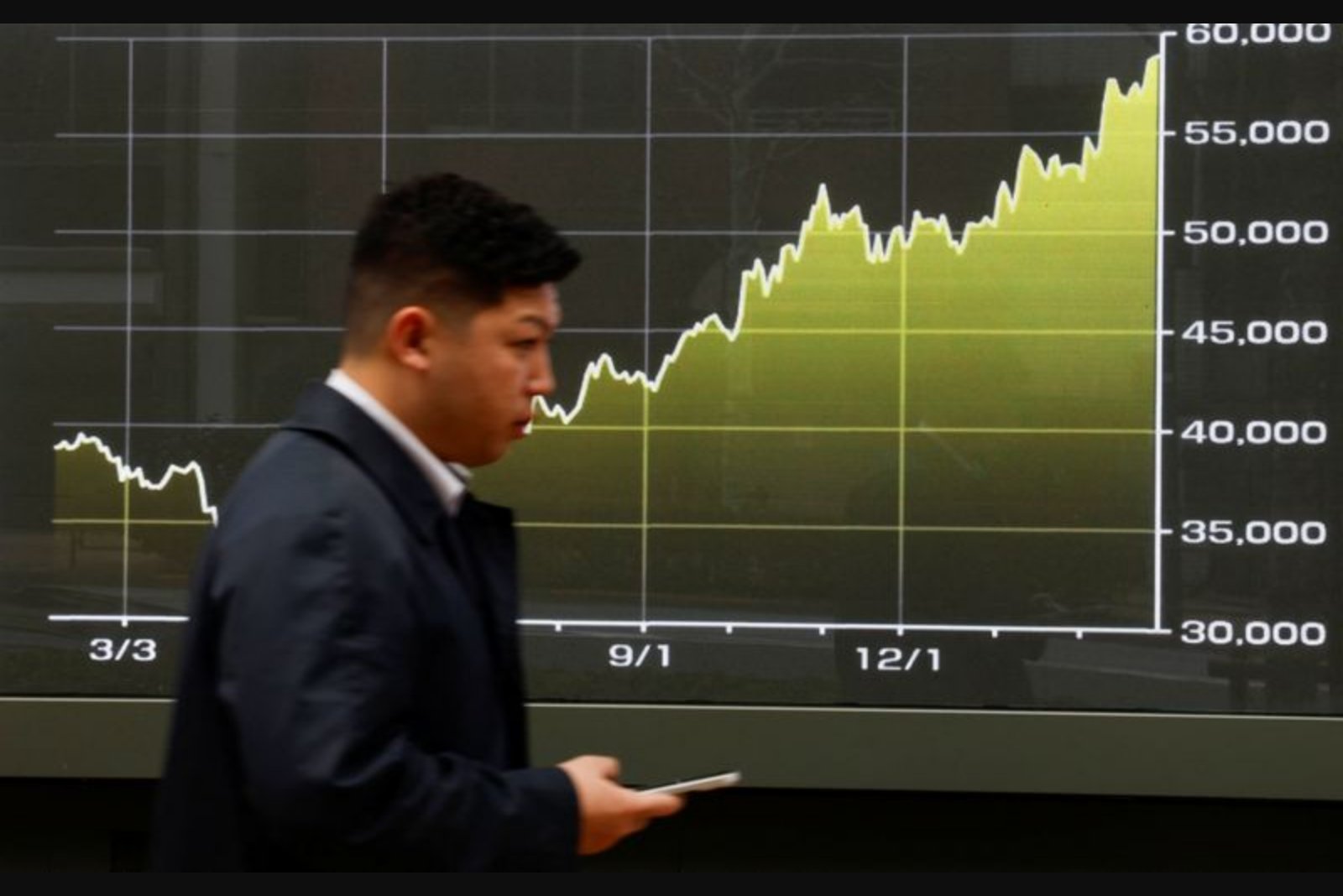
Year-to-date foreign net purchases of Japanese equities have now approached 11.7 trillion yen, a dramatic increase compared with roughly 742.1 billion yen of net buying in the same period a year earlier. The scale of inflows underscores the shifting interest of overseas investors toward Japanese listed companies this year.

Fixed-income flows were mixed. Foreign investors returned to Japanese long-term government bonds with net purchases of 1.35 trillion yen in the latest week, reversing the prior week's 1.03 trillion yen of outflows. The reversal occurred as the earlier bond selloff eased and higher yields attracted buyer interest. Conversely, foreigners were sellers of short-term instruments, divesting 2.22 trillion yen—the largest weekly net sale of short-term paper since March 28.

On the domestic front, Japanese investors continued to trim exposure to overseas equities, withdrawing a net 358.7 billion yen from foreign stocks. This marked their third weekly net sale in four weeks. Despite that pullback, domestic investors modestly extended their purchases of long-term foreign bonds, investing 10.3 billion yen and making it the fourth consecutive week of buying in that category.

Exchange rate terms in the reporting noted $1 = 159.5300 yen.


Context note: All flow figures and market moves are sourced to Ministry of Finance data for the week ended May 23 and activity reported for the immediately preceding week.

Risks

  • Sustained foreign selling of short-term instruments (2.22 trillion yen) could increase short-term funding pressure for money markets - affects short-duration fixed-income instruments and liquidity-sensitive sectors.
  • Continued net withdrawals by domestic investors from foreign equities (358.7 billion yen) may reduce cross-border equity demand and alter portfolio allocations - impacts international equity flows and currency exposure.
  • The markets remain sensitive to shifts in tech sentiment; any reversal in demand expectations for AI chips could dampen the recent equity inflows into tech names - impacts technology and semiconductor sectors.

More from Economy

RBI Keeps Policy Rate at 5.25% as Rupee Slides, Citing Global Risks Jun 5, 2026 Tech stumble drags Asian markets as oil steadies and focus turns to U.S. jobs Jun 5, 2026 U.S. Job Growth Expected to Slow in May but Hold Steady Amid Mixed Headwinds Jun 5, 2026 Japanese Yen Tests Critical 160 Threshold as Geopolitical Tensions Bolster US Dollar Jun 4, 2026 Japanese Real Wages Rise for Fourth Straight Month, Strengthening Case for Monetary Tightening Jun 4, 2026