
Economy March 13, 2026

Fertilizer Shortfalls Threaten North American Spring Planting

Reduced supplies and steep price increases tied to disruptions in the Persian Gulf put the 2026 crop window at risk

By Ajmal Hussain
Fertilizer Shortfalls Threaten North American Spring Planting

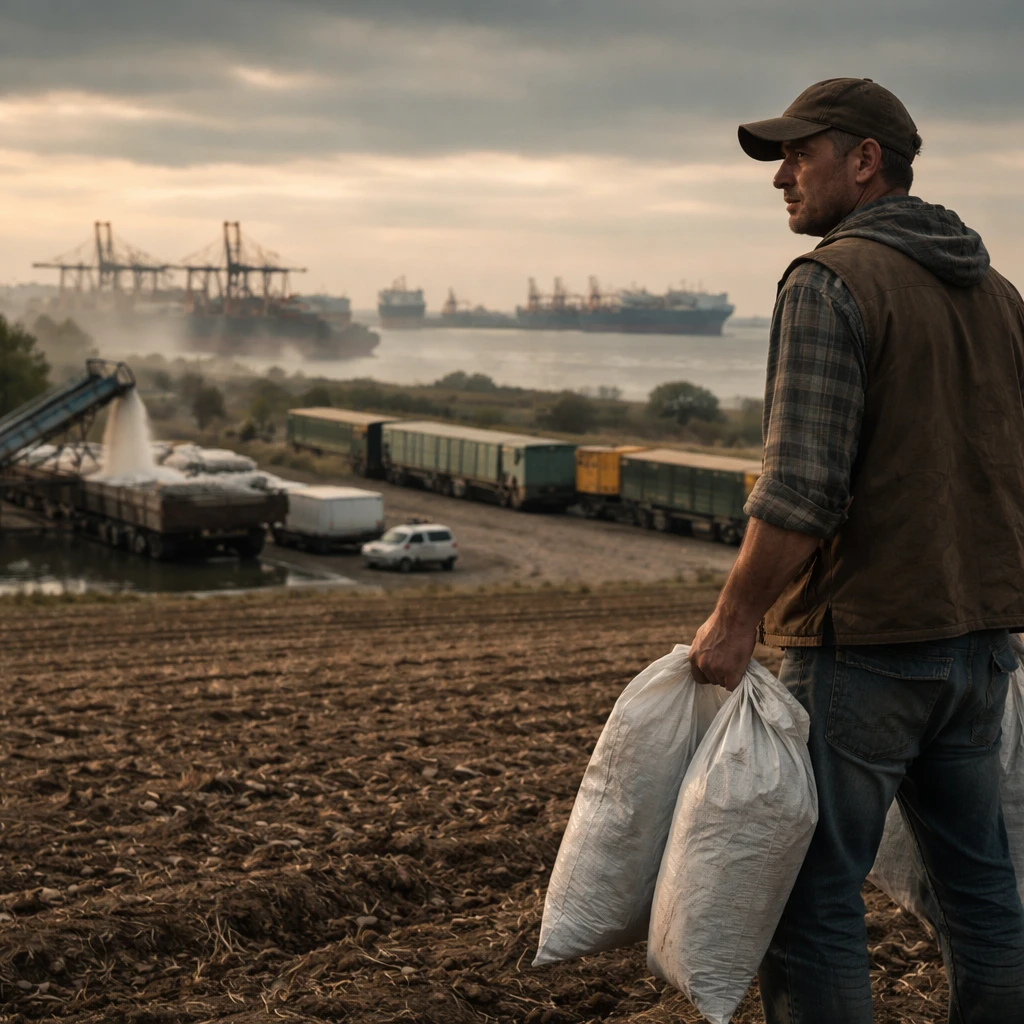
Farmers in the United States and Canada are confronting a substantial shortage of fertilizer and sharp price increases after disruptions in the Persian Gulf disrupted global trade routes. Industry groups and agricultural organizations warn that constrained nitrogen supplies, interrupted shipping through the Strait of Hormuz and thin dealer inventories could leave much of the U.S. short by planting season, with late deliveries unusable for the 2026 crop.

Key Points

  • U.S. and Canadian growers face potential planting disruptions as fertilizer supplies shrink and prices rise by more than one-third following disruptions linked to the war in Iran - sectors impacted: agriculture, commodities, food production.
  • The Fertilizer Institute reports an approximate 25% shortfall of the usual U.S. spring fertilizer supply; historically the U.S. imports up to half of its urea fertilizer - sectors impacted: supply chain, commodity imports.
  • With more than 30% of global nitrogen fertilizer exports passing through the Strait of Hormuz, the closure of that route delays shipments by weeks and risks supplies arriving too late for the 2026 crop - sectors impacted: transportation, logistics.

Farmers across the United States and Canada are facing the prospect of a disrupted spring planting season as fertilizer availability tightens and prices have climbed by more than one-third following the war in Iran that has paralyzed key trade routes.

Industry representatives estimate that the U.S. currently lacks roughly 25% of the fertilizer typically required for spring planting, according to The Fertilizer Institute, which represents businesses across the U.S. fertilizer supply chain. In some years the U.S. has depended on imports for up to half of its urea fertilizer needs.

The conflict in Iran has interrupted flows of nitrogen fertilizer from the Persian Gulf. More than 30% of global exports of nitrogen fertilizers and related components such as sulfur normally transit the Strait of Hormuz, which is now effectively closed - creating a bottleneck for critical inputs.

An analyst cited by industry observers cautioned that the situation could worsen if cargoes originally bound for the U.S. are rerouted to other markets willing to pay higher prices. That dynamic would tighten availability for domestic growers and could elevate costs further.

Compounding the problem is the structure of the U.S. fertilizer distribution system. Much of the dealer network does not carry large inventories, leaving it exposed to abrupt supply interruptions. Where dealers hold minimal stock, a pause in shipments can translate quickly into a shortage at the farm level.


The timing of shipments is also a crucial constraint. Fertilizer loaded onto vessels in the Persian Gulf needs several weeks to reach U.S. ports, after which material typically moves onward by river barge, truck or train before arriving at fields. Because most fertilizer must be applied before crops begin to grow, any supplies that arrive after that application window cannot be used for the 2026 crop.

This week the American Farm Bureau Federation warned that fertilizer shortages could have implications for the U.S. food supply. Farmers, many of whom were already facing the prospect of another year of low profits or outright losses, now confront added uncertainty as planting season approaches.

With shipping routes still blocked and inventories lean, the coming weeks will determine whether available supplies can be stretched to meet planting schedules or whether delayed deliveries will render some fertilizer unusable for the 2026 crop cycle.

Risks

  • Diversion risk - Fertilizer shipments destined for the U.S. could be redirected to buyers offering higher prices, further tightening domestic availability and increasing costs for farmers - sectors impacted: agriculture, commodity markets.
  • Inventory exposure - Many U.S. fertilizer dealers keep limited stocks, leaving the supply chain vulnerable to sudden stoppages and rapid-onset shortages - sectors impacted: distribution, farming inputs.
  • Timing constraint - Long transit times from the Persian Gulf to U.S. farms mean delayed shipments may miss application windows, making late fertilizer deliveries unusable for the 2026 crop - sectors impacted: crop production, food supply.

More from Economy

Judge Temporarily Blocks DOJ Subpoenas Targeting Fed Chair Powell Mar 13, 2026 White House Issues Two Orders Aimed at Easing Housing Costs Mar 13, 2026 Federal Judge Quashes DOJ Subpoenas Targeting Fed Chair Powell Mar 13, 2026 U.S. Offers Up to $10 Million for Information on Senior IRGC Figures Mar 13, 2026 PBOC eases forward contract reserve to temper rapid yuan gains Mar 13, 2026