
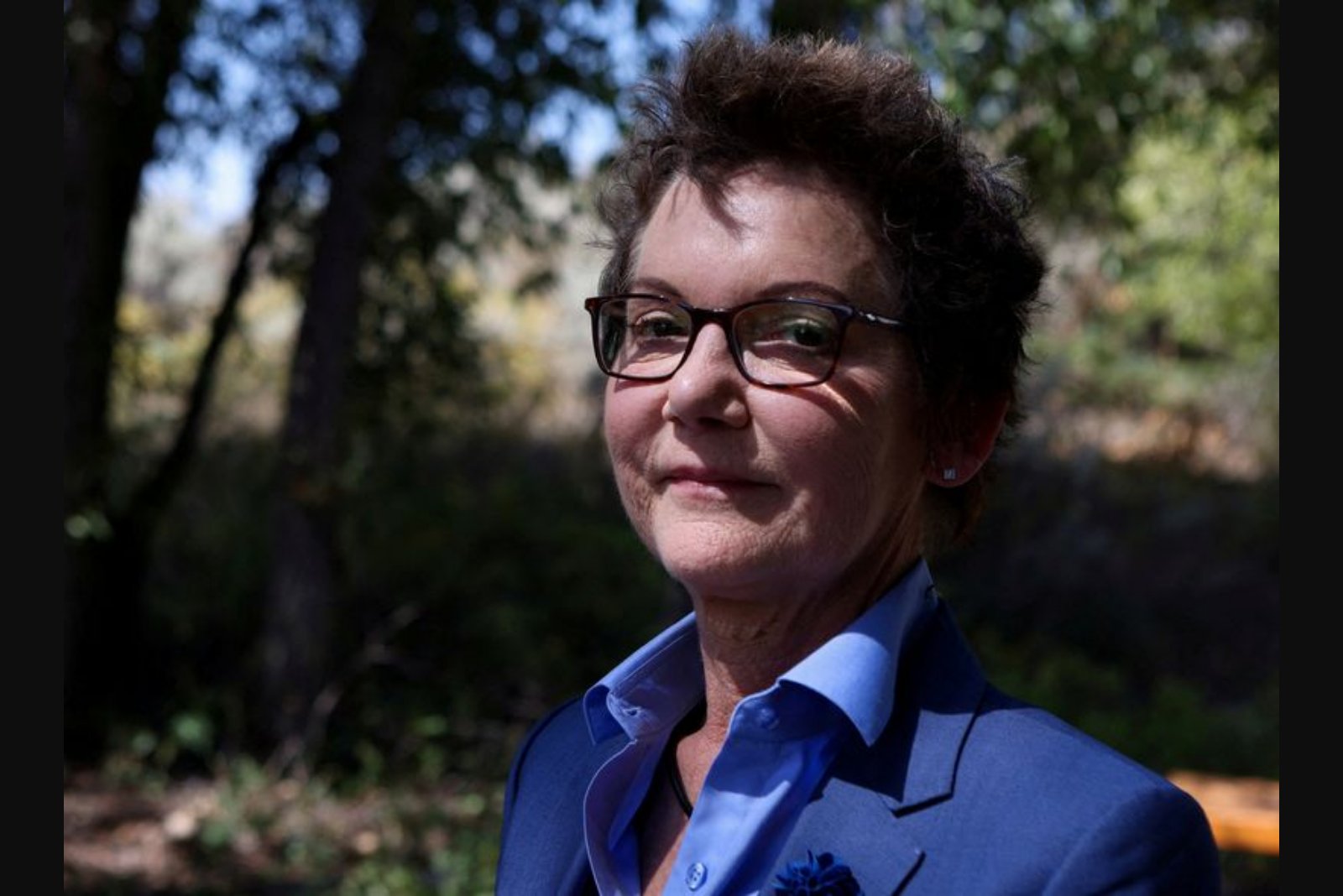
San Francisco Federal Reserve President Mary Daly said she believes the economy may need one or two reductions in the benchmark interest rate to help offset emerging weakness in the labor market. In an interview, Daly described workers as "walking a knife's edge" as higher prices erode wages and prospects for new jobs have become scarcer.
Daly said she remains open-minded about policy. She noted she supported the Federal Open Market Committee's recent decision - a 10-2 vote - to leave the central bank's target range for the federal funds rate unchanged at 3.50% to 3.75%, but added that "you could make a case for going ahead and taking a little more off."
Before easing policy, Daly said, policymakers need heightened confidence that underlying inflation pressures are dissipating. "To cut rates, you have to be pretty confident, like really confident, that the effects of the tariffs will roll off ... that inflation is really on a downward trajectory," she said.
She pointed to the Fed's preferred inflation gauge, which averaged roughly 3% last year - notably above the central bank's 2% objective. Many analysts, including some within the Fed, anticipate that goods inflation will have peaked by midyear and that broader inflationary pressures will resume easing thereafter, a view Daly referenced as part of the calculus for potential rate reductions.
At the same time, Daly stressed that a decision to lower rates would also hinge on assessments of the labor market. "You also have to be really worried that the labor market is more challenged than we currently see in the data," she said. The U.S. unemployment rate stood at 4.4% in December. Economists surveyed by Reuters expect that rate to be unchanged for January when the Labor Department releases the latest jobs data.
Balancing the Fed's dual mandate of price stability and maximum employment, Daly described the policy risks as "relatively balanced," while adding that the vulnerabilities she observes are tilted toward the labor market. She warned that a "low-firing" labor market can quickly shift to a "some-firing" environment if businesses' anticipated demand does not materialize.
Despite those concerns, Daly said inflation expectations appear well anchored and that she sees little that points to a looming inflation spike. "I'm a little more worried about the labor market than I am about inflation," she said.
One specific indicator Daly is watching closely is anecdotal: parents reporting that their children are having trouble finding work. She noted this aligns with recent data showing a higher unemployment rate for new college graduates than for the workforce overall, a signal she views as highlighting the precariousness of parts of the job market.
On balance, Daly said she leans toward additional policy easing - whether that amounts to one cut or two remains uncertain. She does not have a vote on the Fed's rate-setting committee this year but continues to participate in its regular policy meetings.
Context and implications
Daly's comments underscore a Fed balancing act: waiting for clearer evidence that inflation is on a sustainable downward path while remaining attentive to signs that labor market resilience could be eroding. Her emphasis on both data and anecdotal signals reflects a cautious approach to the timing and magnitude of any future rate reductions.