
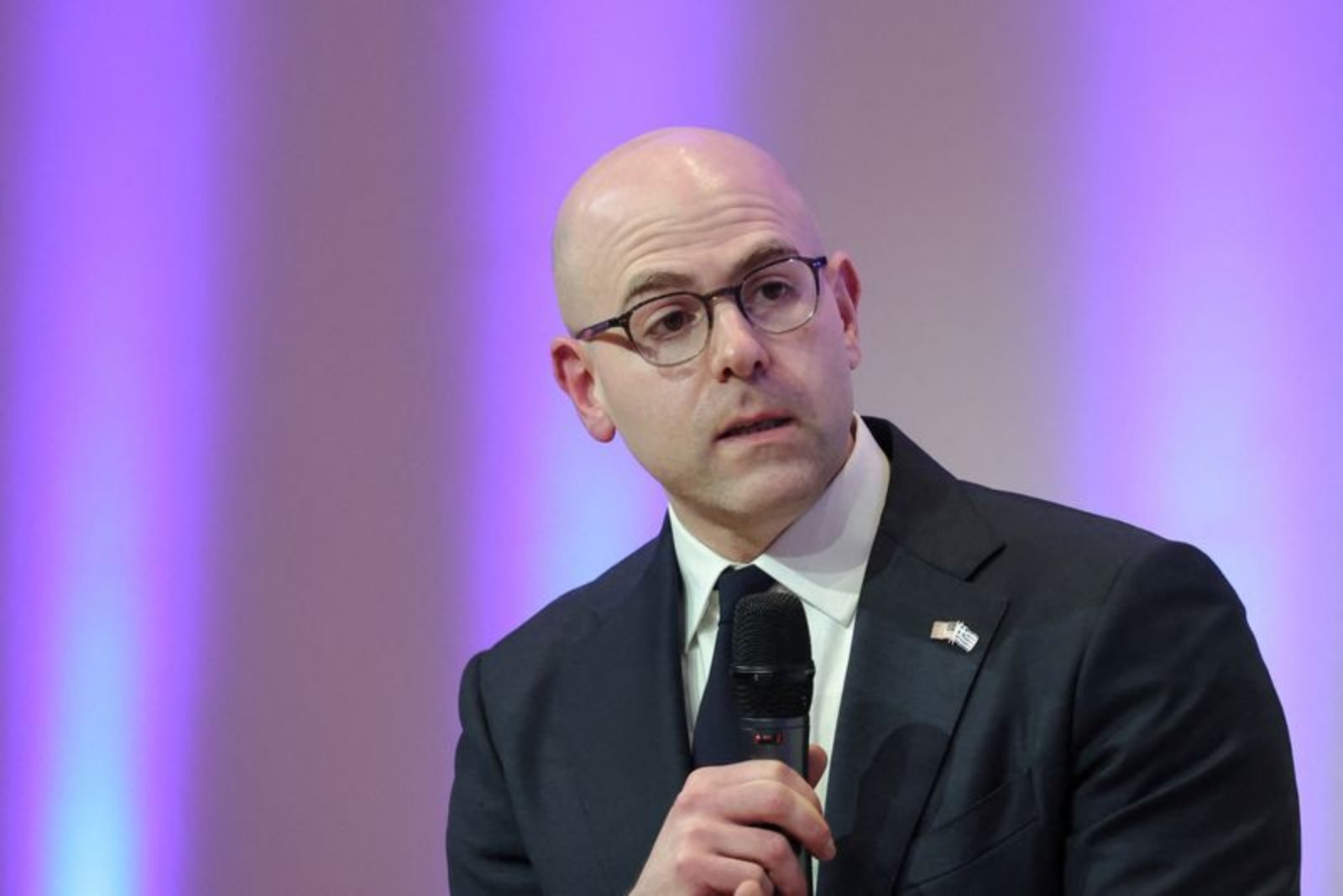
Federal Reserve Governor Stephen Miran warned that the Fed’s present monetary-policy stance could pose a risk to U.S. economic growth, even as growth receives support from a range of administration policies, including tax cuts. Miran made his remarks on Thursday while speaking at an event hosted by the Dallas Fed.
Miran said the main danger is a misreading of how restrictive policy already is. "The biggest risk I think to the economy is that we’re misconstruing just how tight monetary policy is," he told the audience.
On inflation, Miran said he is not worried. He pointed to shelter inflation as a mitigating factor, arguing that low readings in that component can offset higher inflation elsewhere in the index. "I have a hard time being concerned about inflation because really, really low shelter inflation can compensate for more inflation in other parts of the index," he said.
Given that view, Miran advocated maintaining efforts to support the labor market through easier policy. "As long as I remain unconcerned about inflation, I think it makes sense to continue trying to underwrite the labor market with looser monetary policy, particularly as supply expands more than demand and the economy can grow without generating inflation," he added.
Miran’s stance is consistent with his recent record at the central bank. Before his appointment to the Fed, he served as an economic advisor at the White House. Since joining the Fed, he has been among the most vocal proponents of easier policy, urging larger reductions than were ultimately implemented across the last three policy reviews in the previous year. He also dissented in January when Fed policymakers voted 10-2 to keep the federal funds rate in the 3.50%-3.75% range.
At the same event, Dallas Fed President Lorie Logan - who hosted Miran’s appearance - was identified as opposing further rate cuts. Logan’s view differs from Miran’s in important ways: she believes monetary policy is doing little to restrain the economy and places greater concern on persistent inflation rather than on the labor market. The president did not offer further public comment on Thursday about her economic outlook or monetary policy preferences.
The exchange highlighted an ongoing divide among policymakers over whether the central bank should shift toward easier policy to bolster jobs or remain more cautious because of inflationary concerns. Miran emphasized the potential for growth without renewed inflation given expanding supply relative to demand, while Logan signaled continued vigilance on inflation risks.