
A federal judge has temporarily barred the U.S. Department of Agriculture from withholding administrative funds from 22 Democratic-led states that refused to provide detailed recipient information for the Supplemental Nutrition Assistance Program (SNAP).
U.S. District Judge Maxine Chesney in San Francisco issued a preliminary injunction that prevents the USDA from cutting off funding based on requests the agency made in recent months for state-level data on people who received food assistance. The states had been asked to supply information including names, addresses and immigration status for those who sought aid through the program.
State attorneys general representing a group of largely Democratic jurisdictions asked the court to stop the USDA from following through on its funding threats. They argued the department was attempting to condition administrative funding on disclosure of the data despite an earlier ruling by Judge Chesney that precluded stripping states of SNAP resources.
The USDA had renewed its demands in letters sent to states in November and December. In those communications the agency said the information was necessary to pursue the administration's stated objective of eliminating waste, fraud and abuse in federal assistance programs, and the USDA said it had put new protocols in place to protect the data.
Chesney, who was appointed by President Bill Clinton, concluded that the USDA's insistence on the data and its threat to terminate funding appeared to conflict with the statutory framework that governs SNAP. She also found that the agency's newly described protocols could permit improper sharing of information with unauthorized parties.
The USDA did not respond to a request for comment on the ruling.
The legal dispute has split states' responses: a November letter from the agency indicates that 28 states, primarily those led by Republicans, have provided the data the USDA requested. Among the states that challenged the demand in court were California, New York and Arizona.
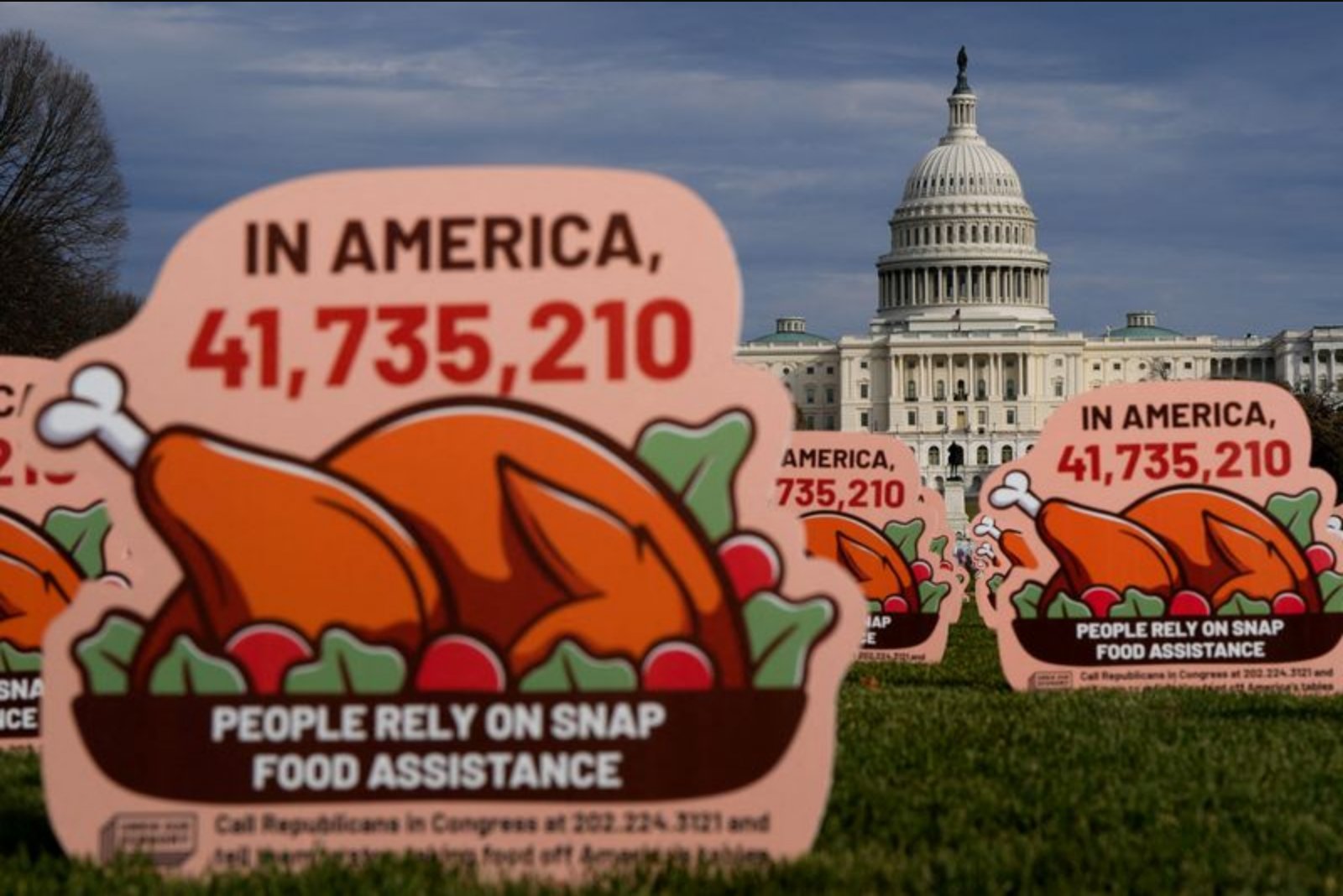
About 42 million people receive SNAP benefits, a largely federally funded program that is administered by states. Federal rules exclude immigrants who are in the United States illegally from SNAP eligibility.
New York Attorney General Letitia James lauded the court's action in a social media post, saying the decision would help safeguard SNAP data "for millions of vulnerable people and our immigrant communities."
Context and next steps
The preliminary injunction blocks the USDA from implementing funding cuts while the litigation proceeds. The order leaves open the prospect of further court proceedings to resolve the underlying legal questions, including the scope of the department's authority to condition administrative payments on state-provided data and the adequacy of its data-security assurances.