
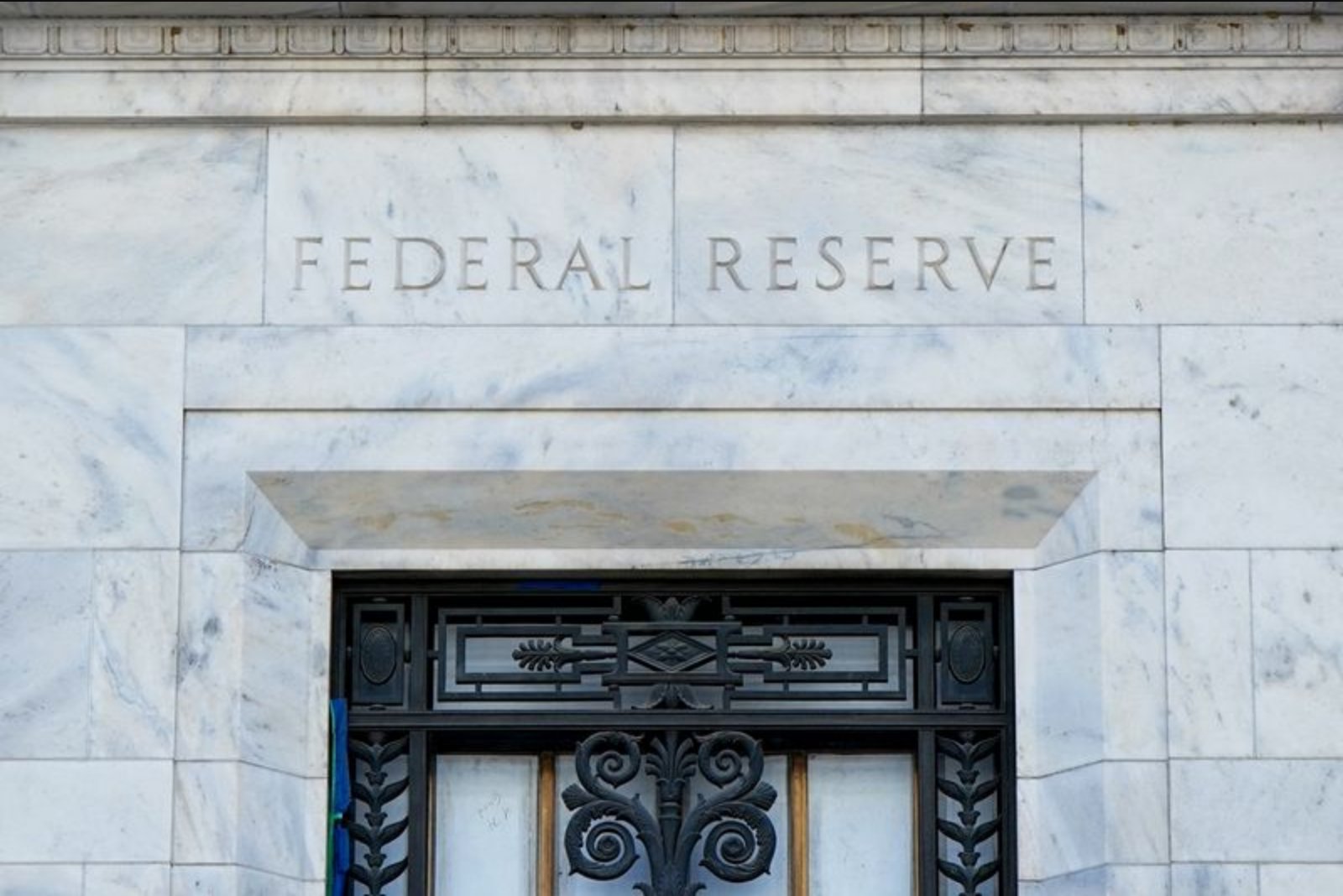
Federal Reserve officials are anticipated to keep the federal funds rate unchanged at their forthcoming policy decision, while placing greater emphasis on how the recent, open-ended military campaign involving Iran has reshaped near-term economic forecasts. The Fed will release a policy statement and updated quarterly projections at 2 p.m. EDT (1800 GMT) after the conclusion of its two-day meeting, followed by a press conference from the Chair about 30 minutes later.
The trajectory of the conflict, which began less than three weeks ago, has introduced a new layer of uncertainty to the U.S. and global outlooks. Economists stress that there are no firm predictions about the course of events. Outcomes hinge on how long hostilities persist, what kind of Iranian government might eventually emerge, and whether oil prices climb further above $100 per barrel or fall back toward pre-conflict levels below $80.
Energy costs have already rippled through the economy. Data from the motorist advocacy group AAA showed the average gasoline price in the United States at $3.79 per gallon as of Tuesday, more than 25 percent higher than before the outbreak of hostilities. Those higher energy costs are filtering into other parts of the economy: airlines have flagged increasing travel expenses as jet fuel prices surge, and a White House official said the United States is pursuing alternate sources of agricultural fertilizers.
As consumers confront steeper gasoline and energy bills, some may cancel discretionary purchases or pare back overall spending. At the same time, U.S. trading partners in Europe could face an even sharper inflationary shock. For the Federal Reserve, the economic picture has shifted from one of steady growth and moderating inflation toward a tension between accelerating price pressures and emerging downside risks to growth and the labor market.
Policymakers will attempt to capture that balance in their decision, the accompanying statement, and the dot-plot projections that display individual participants' expectations for the path of interest rates. The Fed's updated projections will offer its best consolidated judgment about the outlook given the recent geopolitical shock.
Diane Swonk, chief economist at KPMG, argued in an analysis last week that the updated forecasts appear poised to take on stagflationary characteristics. She said she expects the projections to show higher inflation and higher unemployment by the end of the year, and that the interest rate outlook will likely split between officials advocating cuts to support the labor market and those favoring continued restrictive policy or even signaling a rate increase with a higher year-end rate expectation.
"The forecasts are being made amidst a cloud of uncertainty. I would expect participants at the meeting to mark down their assessments of growth, while they mark up their estimates of inflation and unemployment," Swonk said. "The 'dot plot,' which includes participants’ expectations for rate hikes or cuts is likely to show a little of both," with potential dissents in favor of cuts from officials focused on supporting the job market, and more hawkish projections pointing to a possible rate hike before year-end.
The Iran conflict is the second shock in recent months that has raised stagflation concerns for policymakers. A year ago, tariff proposals generated similar worries about simultaneous pressure on growth and prices. While the immediate impact of import duties did not prove as severe as some had feared, businesses continued to pass higher costs through the supply chain, a dynamic that had already prompted Fed officials to discuss the possibility of rate hikes rather than cuts at their January 27-28 meeting.
Even before the conflict intensified, incoming economic data had complicated the Fed's task. Inflation has shown limited progress toward the 2 percent target, and forecasters now expect it to remain at least a percentage point above that level in the months ahead. That persistence would be sufficient to concern some policymakers that cutting rates could undermine their inflation-fighting credibility.
On the labor market front, the U.S. employment report for February recorded a loss of 92,000 jobs. That headline weakness feeds into the debate over whether tighter monetary policy should be relaxed to support employment, or maintained to prevent inflation from becoming entrenched.
Market participants have tempered expectations for a sequence of steady Fed rate cuts this year. Despite continued calls from the President for lower borrowing costs and the prospect that the President's nominee to succeed the current Fed Chair could be installed by the June 16-17 policy meeting, futures traders are pricing in only limited easing. Current market-implied paths show a single quarter-percentage-point cut in September and another cut in late 2027, a cadence that departs from what some political leaders have requested.
With the committee meeting unfolding in the shadow of an unpredictable international conflict and mixed domestic data, the forthcoming policy statement and projections will be scrutinized for signs of whether the Fed views its next rate move as more likely to be a hike or a cut. The combination of higher energy-driven prices and a weakening jobs number ensures the conversation among officials will reflect a wider array of risks than in recent months.
Summary
The Federal Reserve is expected to pause on interest rate changes at its meeting, but will use its policy statement and updated projections to reflect how the ongoing conflict with Iran has altered expectations for growth, inflation and labor markets. Rising oil and gasoline prices, warnings from airlines and fertilizer supply concerns are contributing to inflationary pressure while a recent jobs report showed a loss of 92,000 positions. Policymakers face a split between those worried about inflation persistence and those focused on supporting employment.
Key points
- Fed set to hold rates steady and update projections to account for war-related risks to inflation and growth.
- Energy sector and consumers are directly affected - gasoline at $3.79 per gallon and jet fuel pressures are raising travel costs.
- Labor market softness with 92,000 jobs lost in February complicates the trade-off between inflation control and job support.
Risks and uncertainties
- The duration and outcome of the Iran conflict - longer fighting could push oil above $100 a barrel and deepen inflationary pressures, affecting energy, transportation and consumer spending.
- Inflation remaining more than a percentage point above the Fed's 2 percent target could constrain the case for rate cuts, impacting financial markets and borrowing costs.
- Weakness in the labor market could prompt calls for policy easing to support jobs, setting up a policy split that could influence markets and business investment decisions.
Tags: economy, fed, inflation, oil, jobs