
Federal Reserve officials continued to voice concern that a prolonged energy shock tied to the war in the Middle East could force the U.S. central bank to consider raising interest rates again. Comments from several policymakers on Friday pointed to a growing willingness to pivot away from earlier expectations of easing, should inflation pressures prove persistent.
Shifts among traditionally dovish voices
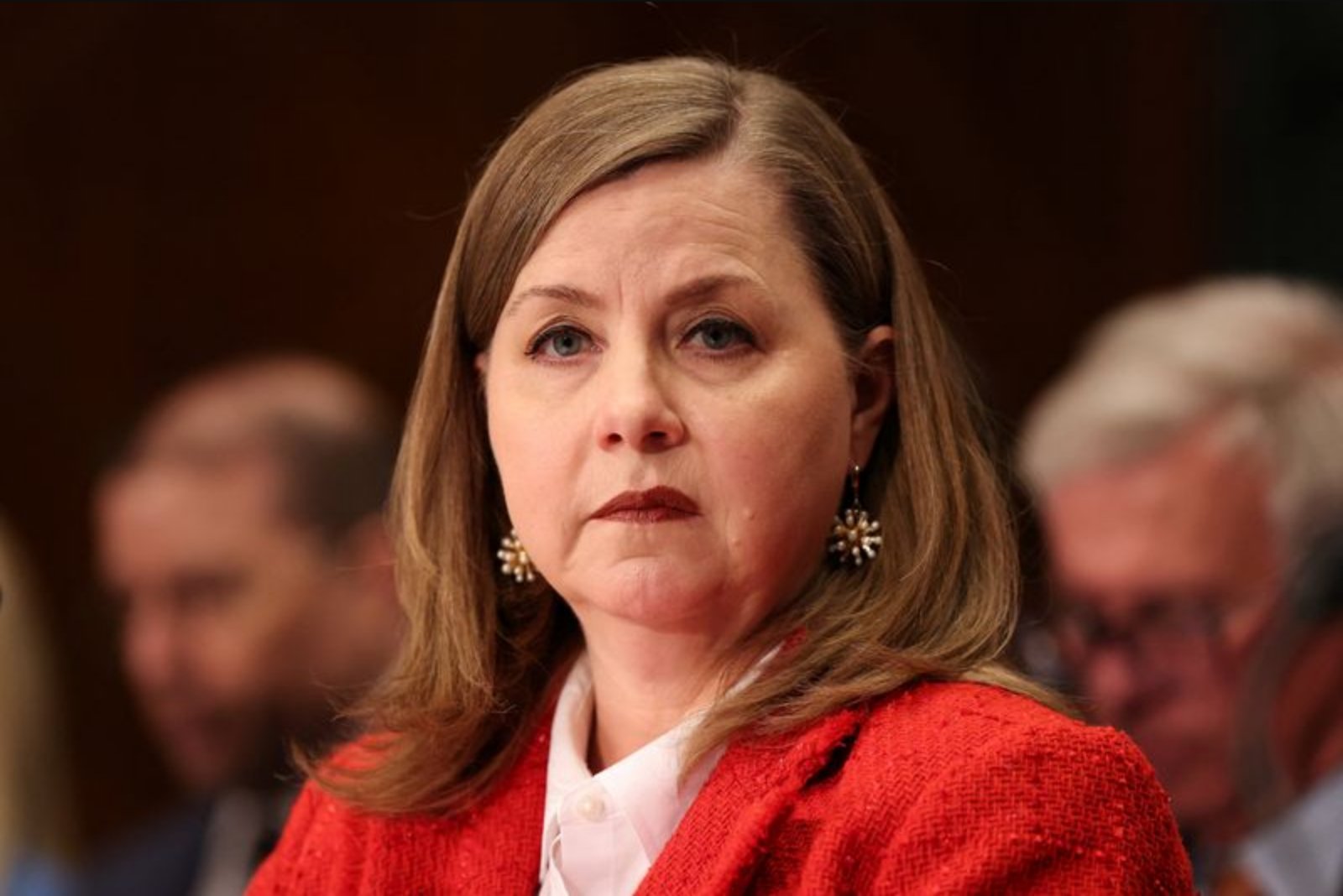
Fed Vice Chair for Supervision Michelle Bowman - often viewed as one of the central bank's more dovish officials - said at a conference in Iceland that the conflict involving Iran and its attendant energy shock could alter her view on the policy outlook. She cautioned that "It still seems early to assess the size and persistence of the economic effects from the Iran conflict," but added that "should disruptions persist well into the second half of the year, we could start to see broader effects on inflation." Bowman said that, if such effects materialize, she would be more likely to "consider shifting my approach to thinking about the balance of risks." She stopped short of asserting that this scenario would definitively require rate hikes.
Room for further tightening in officials' remarks
Several other Fed participants signaled similar concerns that the current energy shock may not be a short-lived disturbance. That prospect is especially salient because inflation has remained above the Fed's 2% objective for many years, prompting a readiness among officials to contemplate additional rate increases to return price growth toward target.
Financial markets are pricing in a future rise in the central bank's benchmark federal funds rate from its present 3.50%-3.75% range, reversing earlier expectations of imminent easing that were in place before the start of the U.S.-backed war with Iran. That conflict has produced notable supply chain distortions and a surge in energy prices.
Regional presidents underscore vigilance
Speaking to a business group in New Jersey, Philadelphia Fed President Patrick Harker said monetary policy is "well positioned" in light of "unacceptably high inflation pressures and economic uncertainty." Harker emphasized the Fed's readiness "to react," and while he judged policy to be in an appropriate place, he added: "I think it is healthy that market participants have taken on board scenarios where the (federal) funds rate remains unchanged for an extended period, as well as scenarios where further tightening becomes necessary."
Kansas City Fed President Jeffrey Schmid, speaking at the same conference as Bowman, said his "primary concern is inflation, which is too hot and has been above target for too long." Schmid argued that the textbook approach of looking through an energy shock as a transitory factor is not viable in the current environment.
Schmid also raised the possibility of deploying the Fed's balance sheet to help temper price pressures, saying: "We're not very restrictive at this stage and I think there's some dialogue that ... we need to start considering what tools we have to really make it a little bit more restrictive" depending on how the oil shock unfolds. He suggested that "Maybe we look at the balance sheet again as another tool to ... create some restriction," indicating that a renewed drawdown in the central bank's holdings could generate headwinds for economic growth.
Balance-sheet debate and market constraints
That position on the balance sheet contrasts with views attributed to Fed Chairman Kevin Warsh, who has expressed skepticism about using bond holdings to supplement interest rate policy. Officials also noted that money market conditions and the Fed's rate-control toolkit impose limits on how much the balance sheet can be reduced without triggering market volatility. The central bank is currently rebuilding liquidity after conditions tightened late last year.
Rising measures of underlying inflation
The urgency among officials is underscored by recent inflation data. A New York Fed gauge designed to capture underlying inflation dynamics rose to 4% in April from 3.5% in March, according to data released on Friday, reflecting a pickup in prices of goods and services excluding housing. Separately, U.S. government data released on Thursday showed the Personal Consumption Expenditures Price Index increased to 3.8% year-over-year in April from 3.5% in March.
Policymakers' comments on Friday portray a Fed that is ready to adjust course if energy-driven price pressures prove more durable than expected. While some officials remain cautious about committing to specific policy moves, the combination of elevated underlying inflation measures and an oil shock tied to the Middle East conflict has put additional scenarios on the table - including higher interest rates and renewed consideration of balance-sheet tools.