
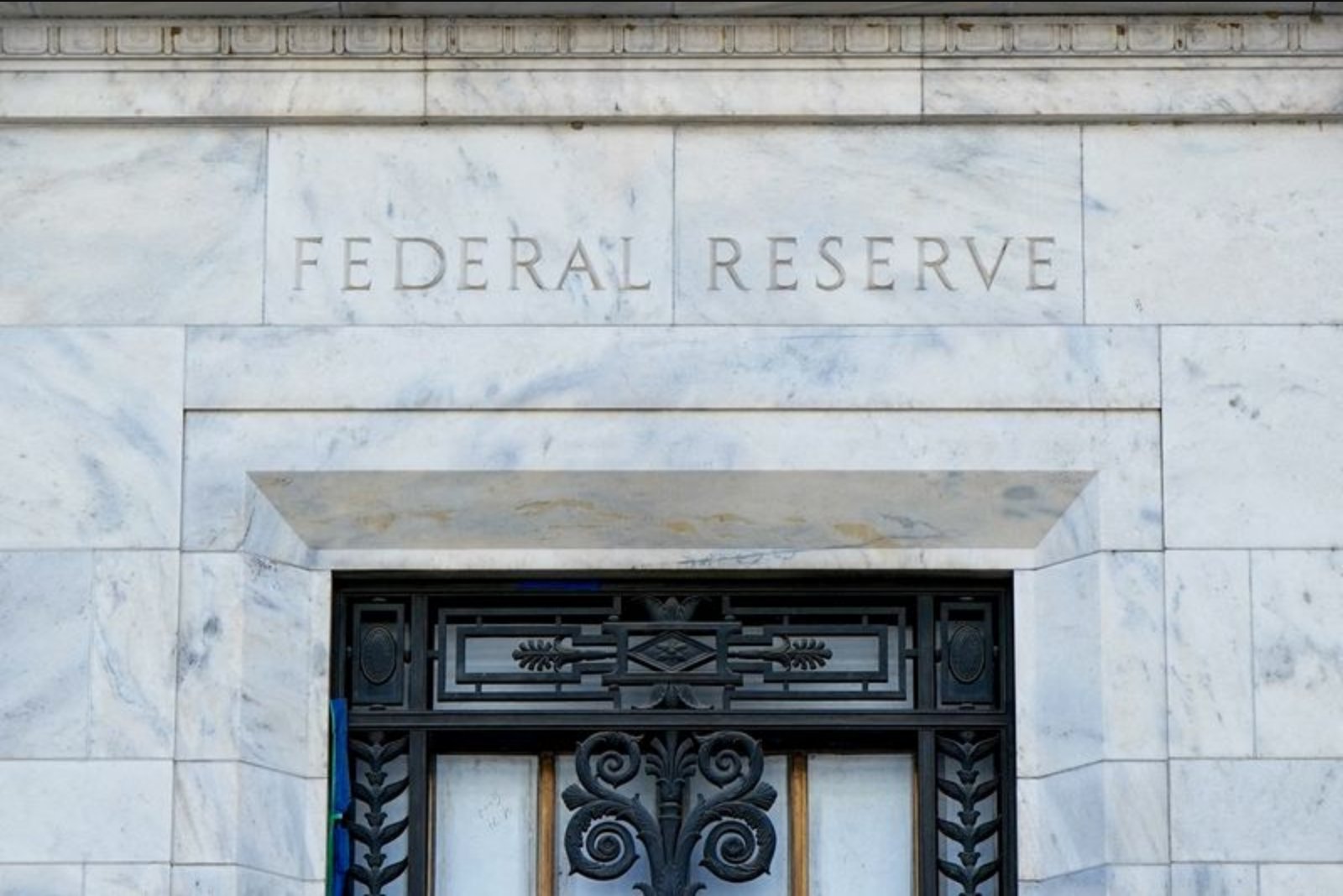
Minutes from the Federal Reserve's January 16-17 meeting, scheduled for release on Wednesday at 2 p.m. EST, are anticipated to provide additional detail on the rationale behind last month's decision to pause rate cuts and on the conditions officials would want to see before authorizing more easing.
In the press conference that followed the January meeting, Fed Chair Jerome Powell said there had been "broad support" among policymakers to hold the policy rate at the current 3.5% to 3.75% range. That unified stance stood in contrast to the previous meeting in December, when a vote to cut rates produced a divided Federal Open Market Committee with dissents both for deeper cuts and for no cuts at all.
With policymakers largely aligned as of mid-January, the minutes could provide a clearer window into how officials are assessing the mix of risks facing the U.S. economy. Chair Powell has noted that while some tensions between employment and inflation remain, the upside risks to inflation and the downside risks to employment have "probably both diminished a bit." The forthcoming record may show how widespread that view was among his colleagues, and where any remaining disagreements lie.
The central bank's dual mandate - to foster maximum employment consistent with 2% annual inflation - creates difficult trade-offs when inflation is above target and the labor market shows signs of softening. That dynamic has been central to recent Fed deliberations, and the minutes are expected to capture the judgment calls officials made at the January session about how to navigate those competing goals.
Even with the broad agreement to stand pat on the policy rate last month, individual officials may still hold different views on the triggers for additional action and the pace at which future policy adjustments should occur. Analysts will be watching the minutes for signals about expectations for inflation moderation, which Powell and other officials said they anticipate by mid-year.
Two Fed officials have recently articulated contrasting timelines and sensitivities. Chicago Fed President Austan Goolsbee said he could see "several" rate cuts being warranted this year if inflation begins to fall from the current level roughly one percentage point above the Fed's 2% target. By contrast, Governor Michael Barr said the current pause on rate reductions would likely last "for some time" until there is sufficient evidence that inflation is declining.
Officials have pointed to high import tariffs as a contributor to the current elevated inflation rate, arguing that businesses are still in the process of passing those costs through to consumers. However, officials largely agree that this pass-through effect is near or past its peak impact on inflation.
Market participants and analysts are also looking for confirmation of the Fed's readiness to cut policy rates if inflation cools. In a note ahead of the minutes, analysts from Citi wrote: "The Fed is prepared to lower rates further this year if inflation cools....This...should be reflected in FOMC minutes."
The Federal Reserve is next scheduled to meet on March 17-18, and investors currently expect interest rates to remain on hold at that gathering. The January minutes will therefore be parsed for detail on the committee's evolving assessment of risks to both inflation and employment, and how that assessment could translate into future policy moves.
Key points
- Minutes from the Jan. 16-17 Fed meeting will be released Wednesday at 2 p.m. EST and are expected to explain why officials paused rate cuts.
- Fed Chair Jerome Powell said there was "broad support" to hold the policy rate at 3.5% to 3.75%, contrasting with a divided December meeting.
- Officials differ on the timing and scale of potential future cuts - views range from several cuts if inflation falls to a prolonged pause until clearer data arrive.
Sectors likely affected
- Financial markets and interest-rate sensitive sectors such as housing and consumer credit.
- Industrials and supply-chain reliant manufacturers, where pass-through of import tariffs has influenced costs.
Risks and uncertainties
- Inflation may remain above target for longer than officials expect, complicating the timing of rate cuts - impact on fixed-income and inflation-sensitive assets.
- Labor market developments could weaken further or improve unevenly, affecting the Fed's assessment of maximum employment - impact on consumer spending and employment-sensitive sectors.
- Pass-through from high import tariffs to consumer prices may not have fully run its course, although officials largely view its peak effect as near or past - impact on manufacturing and import-dependent industries.
The January minutes will be closely read for nuance and tone, revealing how policymakers collectively evaluate the interplay between easing labor-market risks and still-slow progress toward 2% inflation, and what evidence they will require before pivoting to further rate cuts.