
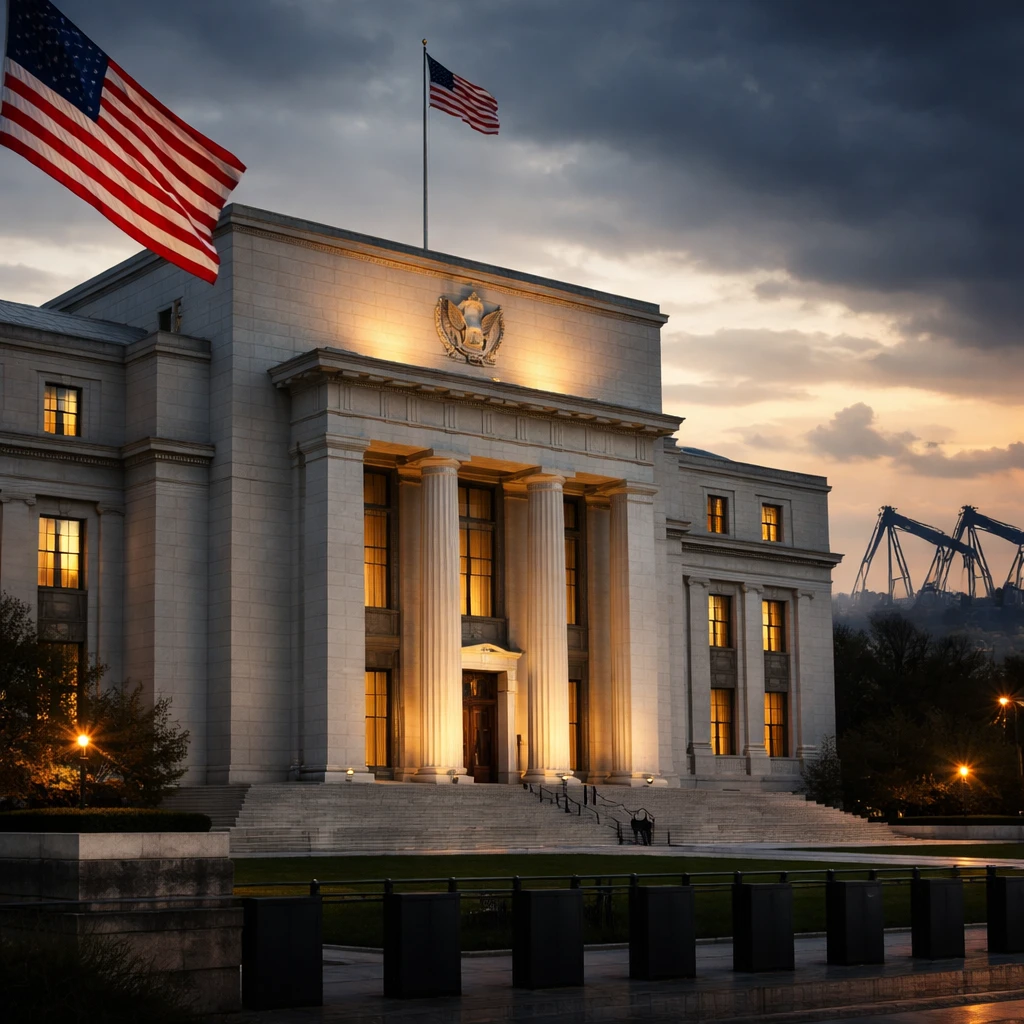
Federal Reserve Governor Stephen Miran said on Wednesday that he still views further reductions in interest rates as appropriate, and that recent events in the Middle East have not yet prompted him to alter his forecasts for inflation or labor markets.
Speaking in an interview, Miran said: "I believe it's appropriate to continue acting." He added that, to date, developments over the recent weekend have not led him to revise his outlook for either inflation or the labor market.
Financial markets reacted quickly to the weekend's geopolitical events. Oil prices rose following attacks that involved the US and Israel and strikes against targets in Iran. Those moves prompted investors to pare back expectations for the timing of Federal Reserve rate cuts, with the odds of reductions in 2026 cited as having been marked down after the strikes.
Miran also stressed his view that the labor market still needs additional accommodation from monetary policy. "When you look at the totality of labor-market data, there's still evidence to me that it needs more support from monetary policy," he said. The Bureau of Labor Statistics is scheduled to release its monthly employment report for February on Friday, an update that market participants will watch closely for signals on hiring and unemployment trends.
Other officials at the Fed who have spoken this week acknowledged that the situation in the Middle East increases uncertainty around the economic outlook. Observers have interpreted those comments as potentially arguing for a more prolonged period without policy easing.
Before the weekend strikes on Iran, several Fed officials had pointed to signs of stabilization in the labor market and indicated a preference to wait for clearer evidence that inflation is returning toward the Fed's 2% target before moving ahead with additional rate cuts. Miran remains of a different view, maintaining that further action is appropriate despite the recent geopolitical shocks.
With a key jobs report imminent and oil market volatility elevated, market participants and policymakers are poised to reassess the timing and pace of monetary easing as new data and developments emerge.