
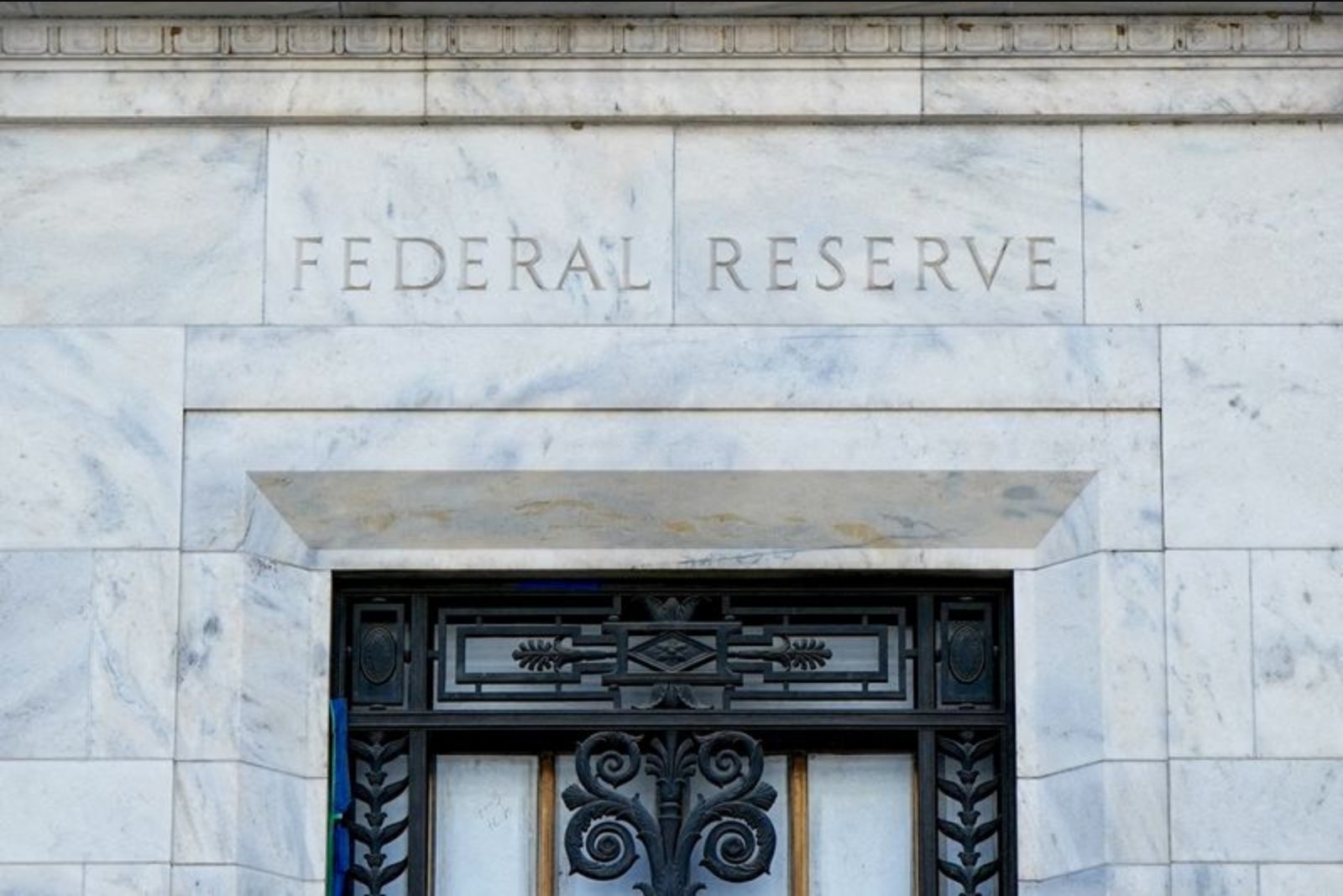
The Federal Reserve's most recent Beige Book found that U.S. economic activity increased slightly in recent weeks, that prices continued to climb and that employment levels remained generally stable across the country.
Compiled from surveys and interviews with business leaders and community organizations in the Fed's 12 districts, the report said that overall economic expectations were optimistic, with most districts forecasting slight to moderate growth in the months ahead. The information in the report was gathered on or before February 23, just after the Supreme Court's invalidation of many of President Donald Trump's global tariffs and prior to the start of the U.S.-Israeli war with Iran.
On the inflation front, the Beige Book noted continued upward pressure on prices, while also reporting that, on balance, firms expected prices to rise at a somewhat slower pace in the near term. The report highlighted that firms and households across the regions are still contending with higher prices tied to the administration's tariffs. At the same time, several districts reported that some firms had held selling prices steady despite increased input costs because customers had become more price-sensitive.
The Fed's narrative in the Beige Book arrives as policymakers prepare for their March 17-18 meeting. At their January 27-28 session, the central bank left the benchmark overnight interest rate unchanged in a 3.50%-3.75% range. In explaining that decision, officials cited a stabilizing labor market and continued elevated inflation as reasons for pausing what the report described as a string of interest rate cuts in the last three meetings of 2025.
Subsequent data noted in the Beige Book and referenced by markets included steady growth in the manufacturing sector and a January surge in wholesale prices. The report said there was no clear deterioration in labor market conditions during the period covered.
Before geopolitical events pushed oil prices higher, the Fed was widely expected to keep rates on hold at the upcoming March meeting. The onset of the Iran-related conflict and the resulting rise in energy costs were flagged as a development that could extend the period before policymakers resume cutting interest rates, given the potential upward pressure on inflation.
Market pricing at the time of the report suggested traders do not anticipate another Fed rate cut until the July 28-29 meeting. That timing would coincide with a leadership change at the central bank: former Fed Governor Kevin Warsh is expected to be installed as the Fed's new chief by then, following President Trump's submission of Warsh's nomination to the U.S. Senate on Wednesday. Current Fed Chair Jerome Powell's term concludes in mid-May. The report noted expectations that Warsh would support the rate cuts that the President seeks.
Policymakers appear to be taking the Beige Book's anecdotes as further evidence that the job market is stabilizing while inflation remains a persistent challenge. The report reflected a sense among some contacts that inflation could ease later in the year as the effects of tariffs wane, but it emphasized that price pressures continue to be an active concern for businesses and households across the Fed's districts.
Key takeaways from the Beige Book
- Economic activity - The Fed's district contacts reported a slight rise in economic activity overall, with most regions expecting modest growth in the near term.
- Inflation - Prices remained elevated across districts, with many firms anticipating a slower pace of price increases but still wrestling with tariff-driven cost pressures.
- Employment - Labor market conditions were described as stable, supporting the Fed's view that the job market is not deteriorating.
Outlook and near-term considerations
The Beige Book provides granular color that reinforces the central bank's cautious stance going into its March meeting. Continued manufacturing growth and the January jump in wholesale prices are among the data points that contribute to uncertainty about how quickly inflation will recede. The rise in oil prices tied to the Iran-related conflict was singled out as a factor that could delay interest-rate easing, while the expected leadership transition at the Fed adds a political and policy-timing dimension to how markets price future moves.
Note: This article synthesizes the findings presented in the Federal Reserve's Beige Book as collected on or before February 23 and the policy context surrounding the Fed's January and forthcoming March meetings.