
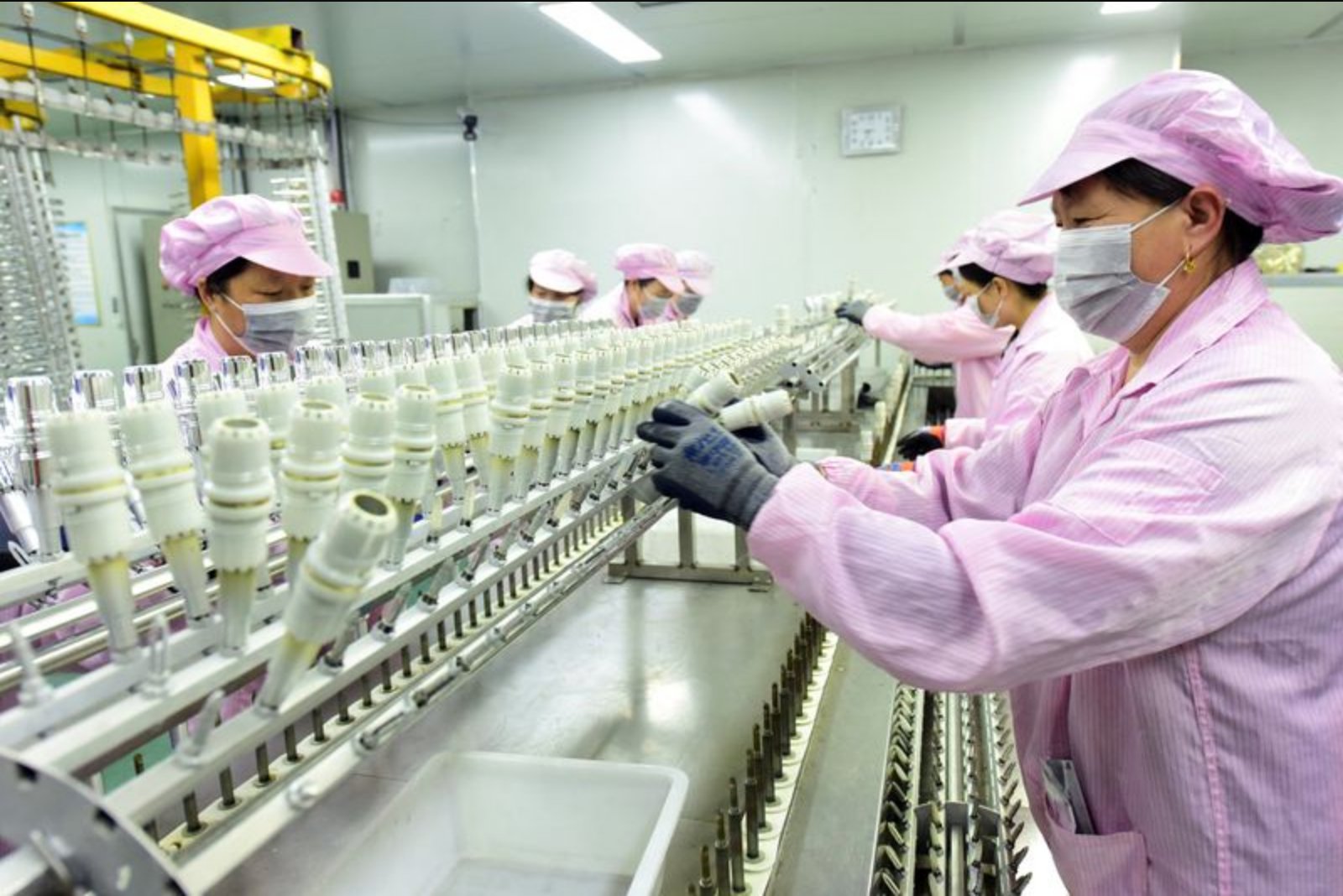
China’s factory sector contracted again in February as official data showed the manufacturing purchasing managers’ index (PMI) slipped to 49.0 from 49.3 in January, remaining below the 50 threshold that separates growth from decline.
The National Bureau of Statistics’ survey recorded the February reading at 49.0, a four-month low and slightly below a median forecast of 49.1. The result points to continuing pressure on producers, who the survey indicates are finding it difficult to return to profitability when weak domestic consumption and investment are undermining activity even as exports hold up.
Activity outside of manufacturing also failed to register expansion. The non-manufacturing PMI - a composite that covers services and construction - rose marginally to 49.5 in February from 49.4 the prior month, but it too remained under the 50 mark.
The government’s PMI series is seasonally adjusted to account for factory shutdowns around the Lunar New Year holiday. This year the holiday ran for a record nine days from February 15 to February 23. Officials say the seasonal adjustment is meant to reflect those closures, but economists warn the model is imperfect and that the widespread shutdowns still skew the headline reading.
Policy posture in recent months has leaned away from immediate stimulus. Policymakers refrained from introducing fresh support measures in the final quarter of 2025, expressing confidence the country would hit its official growth target of roughly 5% on the back of record exports and an effort to diversify trade away from the United States in response to tariffs imposed by President Donald Trump.
Despite that confidence, economists expect growth to remain weak in the first quarter of 2026 in the absence of additional policy intervention. Analysts argue that commonly proposed tools - such as targeted interest-rate cuts and further reductions in banks’ reserve requirement ratios - are unlikely to deliver large gains, given that similar easing since the end of the COVID-19 pandemic has generated only limited improvement.
Political developments loom this week. Premier Li Qiang is scheduled to announce the government’s official growth target for 2026 at the opening of the annual session of the national legislature on Thursday. Economists polled in January forecast growth slowing to 4.5% in 2026 and holding at that pace into 2027.
Last week the Politburo pledged more “proactive and effective” economic policies, highlighting efforts to stabilise employment and to boost domestic demand. When Premier Li delivers the government’s work report and the next five-year plan on Thursday, officials are expected to reiterate commitments to curb overcapacity and outline priorities for the coming year.