
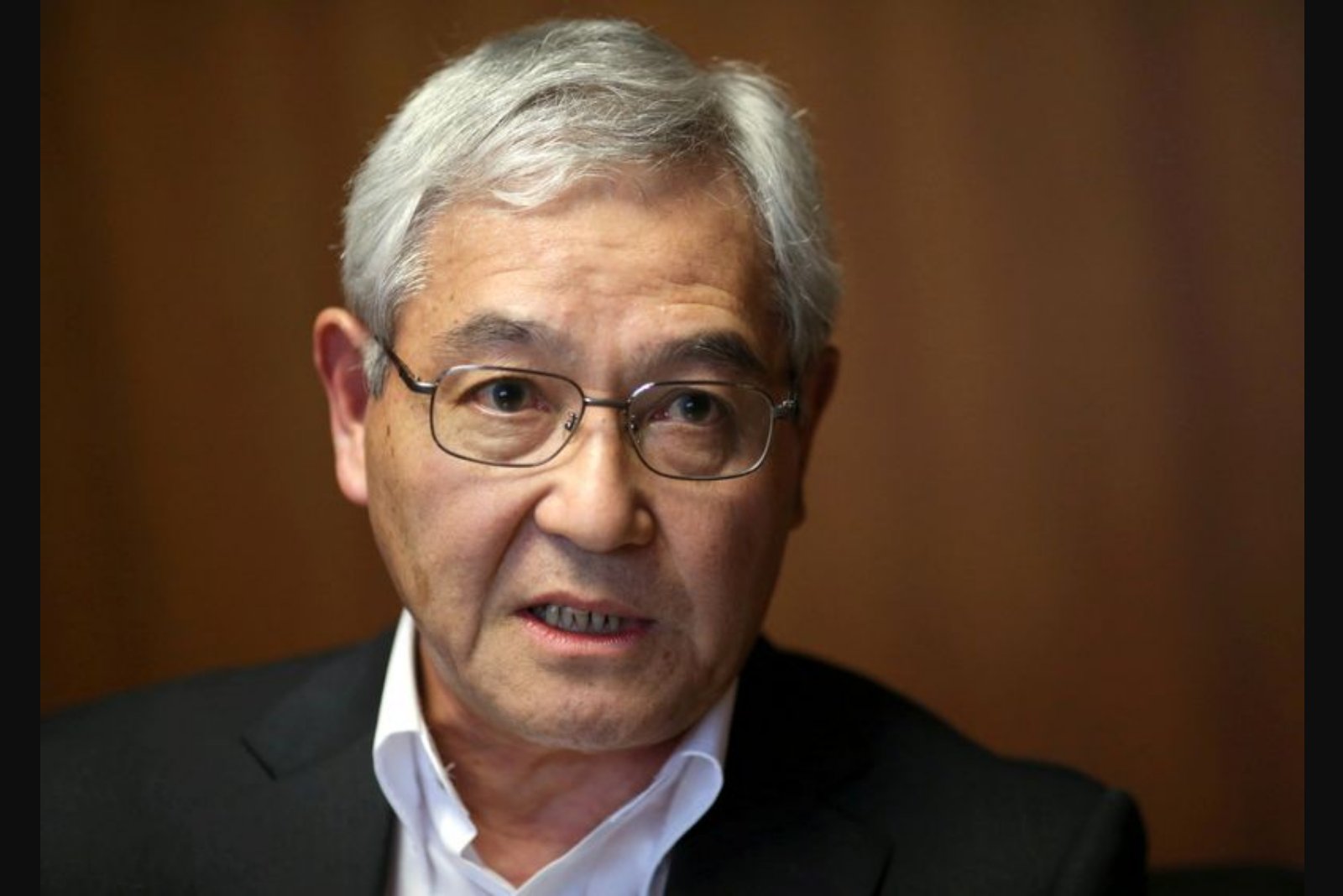
Former Bank of Japan board member Makoto Sakurai told Reuters that the BOJ could lift interest rates as soon as its March policy meeting if the yen renews its decline ahead of a U.S.-Japan summit expected to be held during the month.
Prime Minister Sanae Takaichi is anticipated to travel to Washington for talks with U.S. President Donald Trump around the BOJ's March 18-19 meeting. Sakurai said Takaichi may press the central bank for assistance in stemming further yen depreciation, noting that recent rate checks by Washington to support the yen signalled a preference for a stronger Japanese currency.
"Currency intervention has only a temporary effect in combating yen-selling pressure. The best way to counter a weak yen is for the BOJ to raise interest rates," Sakurai said in an interview, adding that he retains close contact with incumbent policymakers.
Sakurai argued that a renewed slide in the yen would raise inflation through higher import costs and would partly offset the downward pressure from government fuel subsidies. He said that, if sharp yen falls create a clear need for a policy response, the BOJ could justify a rate increase in March by pointing to prospects of strong wage growth in the annual spring wage negotiations between companies and unions.
"It would make better sense to wait until April but depending on yen moves, there’s a chance the BOJ could raise rates in March," Sakurai said.
Sakurai served on the BOJ's board from 2016 to 2021, a period when the bank shifted emphasis away from massive asset purchases toward managing long-term interest rates through bond yield control. He said the central bank may need to raise rates twice in both 2026 and 2027 to move its policy rate - currently at 0.75% - up to 1.75%, a level he described as likely to neither cool nor overheat the economy.
At the same time, Sakurai warned that hiking rates too quickly could harm the banking sector by raising bankruptcies among small firms and weakening the balance sheets of regional lenders.
The BOJ concluded a decade-long, large-scale stimulus programme in 2024 and has raised rates on several occasions, including in December when it took its short-term policy rate to 0.75%, the highest in 30 years. Inflation has remained above the BOJ's 2% target for almost four years, and Governor Kazuo Ueda has indicated the bank stands ready to raise rates further if its economic projections are realised.
A Reuters poll of economists found a majority expect the BOJ to lift its policy rate to 1% by the end of June, and market pricing showed roughly a 70% chance of a hike by April. The BOJ's next policy meeting is scheduled for March 18-19; the following board meeting is on April 27-28, when the bank will also publish updated quarterly growth and inflation forecasts.
The yen's weakness has become politically sensitive in Japan because it raises costs for households and retailers by increasing prices for imported fuel and food. Since Takaichi, who is viewed as fiscally and monetarily dovish, became prime minister in October, the currency has fallen about 8% against the dollar to a low of 159.45 in January. While it has recovered some ground, the yen is trading around 155 per dollar, well below the roughly 147 level it stood at before Takaichi took office.
The central question for policymakers is whether currency moves will prompt a near-term policy response from the BOJ. Sakurai's comments frame that decision around the limits of intervention, the inflationary implications of a weaker yen, and the timing of wage negotiations that could support tighter monetary policy.
With the BOJ's March meeting coinciding with high-level diplomatic engagement between Japan and the United States, officials will face a confluence of political and market signals as they assess the case for any further tightening of policy.