
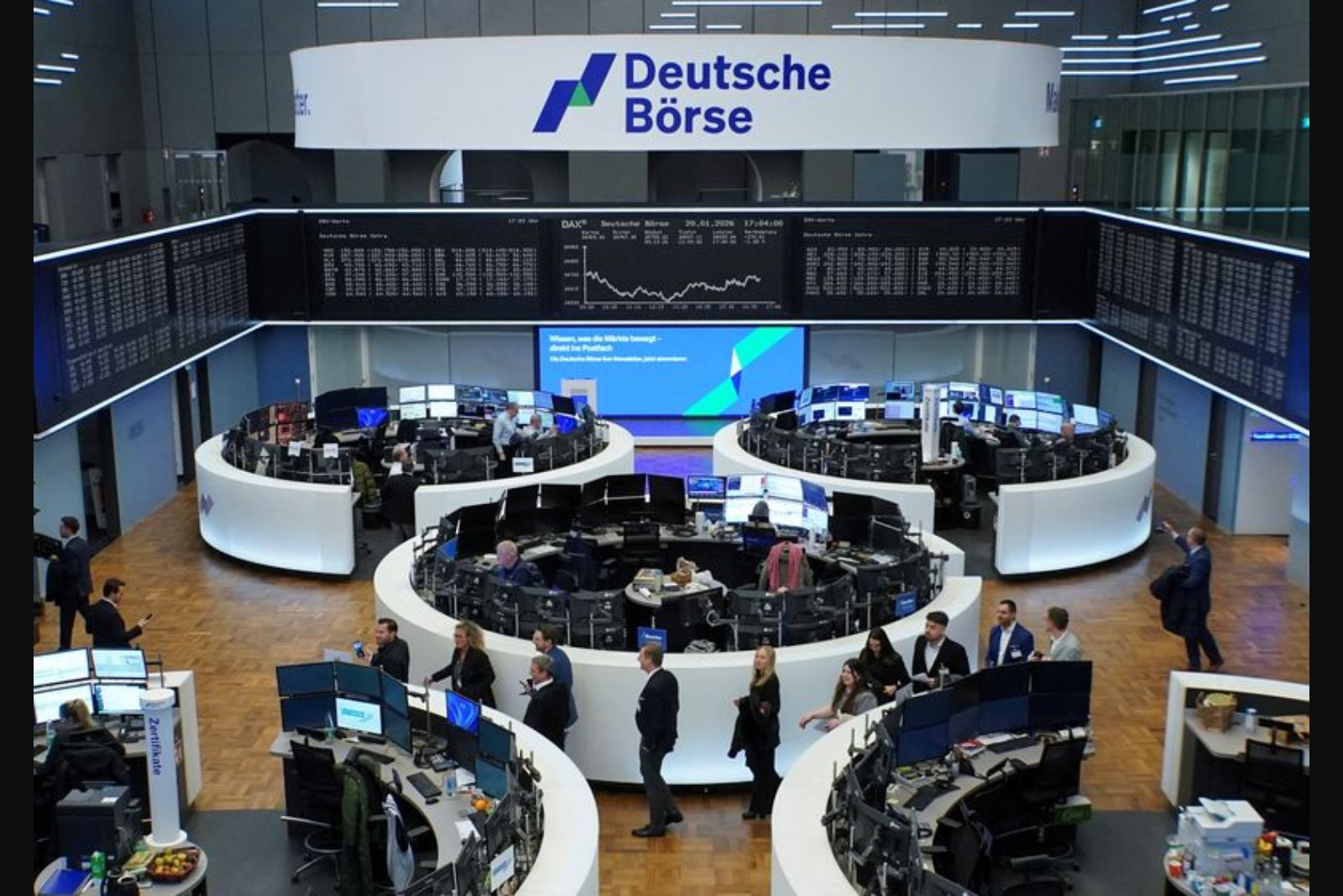
European equity markets have kicked off 2026 with strength, yet a Reuters poll of market professionals suggests gains will be limited over the full year as an anticipated mid-year setback trims returns. The median projection from respondents places the pan-European STOXX 600 at 640 points by the end of 2026 - up from a prior forecast of 623 - which implies roughly a 2% rise from Monday's close of 627.7.
So far this year the STOXX 600 has climbed about 6% and is trading close to a record high as investors broaden their opportunity set beyond U.S. listings amid policy uncertainty in Washington and heightened geopolitical tensions.
Market strategists pointed to continued upside potential despite a range of disruptive factors. "Despite many wild cards that are likely to cause more choppiness we believe the path of least resistance remains higher equity markets for now," said Barclays European equity strategist Magesh Kumar Chandrasekaran.
Poll expectations and the mid-year pullback
The Reuters poll indicates that although full-year returns are expected to be positive, respondents foresee a correction phase before markets resume upward momentum. Approximately 53% of those surveyed judged a correction in their local stock markets to be likely within the next three months.
"A mild pullback is the most probable near-term outcome, given market positioning and macro uncertainty," said Andreas Lipkow, chief market analyst at CMC Markets.
At the level of regional blue chips, the Euro STOXX 50 is also expected to follow a similar pattern. The index, currently around 6,113.92, is forecast to dip to 6,011 by mid-2026 before rebounding to close the year at 6,200 - a gain that would translate into an annual rise of just over 7%, according to the poll.
Geopolitics, oil and trade tensions weighing on markets
Respondents flagged geopolitical instability as a key market driver. Recent events have included renewed tensions over Greenland, ongoing conflicts in Ukraine and Gaza, and an escalating standoff between the U.S. and Iran. Traders and strategists have been assessing how such developments might feed through into energy prices and, in turn, inflation.
The poll also captured recent turbulence in trade policy. It noted renewed tariff turmoil after the U.S. Supreme Court struck down many of former President Donald Trump's levies - a ruling followed by the announcement of replacement duties. The poll was conducted before the ruling.
AI trade and regional performance dynamics
Artificial intelligence has become a central market theme this year, influencing sentiment and positioning. The debate spans two main threads: concerns that rapid advances in generative AI could disrupt software company economics, and the countervailing worry that firms will accelerate spending to capture AI opportunities, potentially straining margins.
Capital Economics' markets economist Joe Maher highlighted the United States' greater exposure to AI as one factor shaping expectations that European equities may underperform U.S. peers. Allianz Global Investors noted that while Europe is far less exposed than the U.S. to sectors directly enabling AI, the MSCI Europe index is also less concentrated in segments where AI-driven disruption could pose downside risks.
On the question of whether AI will materially change market views, the majority of poll participants said their stance on AI's influence on stock-market performance was broadly unchanged compared with three months earlier.
Some respondents cautioned about the operational consequences of increased AI-related spending. Tomas Hildebrandt, senior portfolio manager at Evli Bank, warned such spending could "lead to a self-harming loop where operational bottlenecks appear, prices skyrocket and the profit margins melt down."
Outlook summary
Overall, the poll portrays a market that has started 2026 on a positive footing but faces a mid-year correction before modest end-of-year gains. Equity investors are balancing supportive factors - including a search for opportunities outside the U.S. amid policy unpredictability - against a set of geopolitical, trade and technology-related risks that could prompt near-term choppiness.
While the STOXX 600 and Euro STOXX 50 are both seen finishing the year higher in median forecasts, the path is expected to be bumpy, reflecting widespread caution among the professionals polled.