
The recent U.S.-Israeli operations against Iran have provoked an immediate reaction in global energy and shipping markets that stands to raise fuel costs for Europe and complicate monetary policy decisions in the euro zone and the United Kingdom.
Shipping has been disrupted in the Gulf - notably in and around the Strait of Hormuz - a maritime bottleneck through which a substantial share of the world's oil and much liquefied natural gas (LNG) transit. The interruption has produced an almost immediate increase in petroleum and gas prices on financial markets, tightening the near-term inflation outlook for European policymakers and heightening uncertainty about the timing of any rate moves, particularly at the Bank of England.
Why the Strait of Hormuz matters
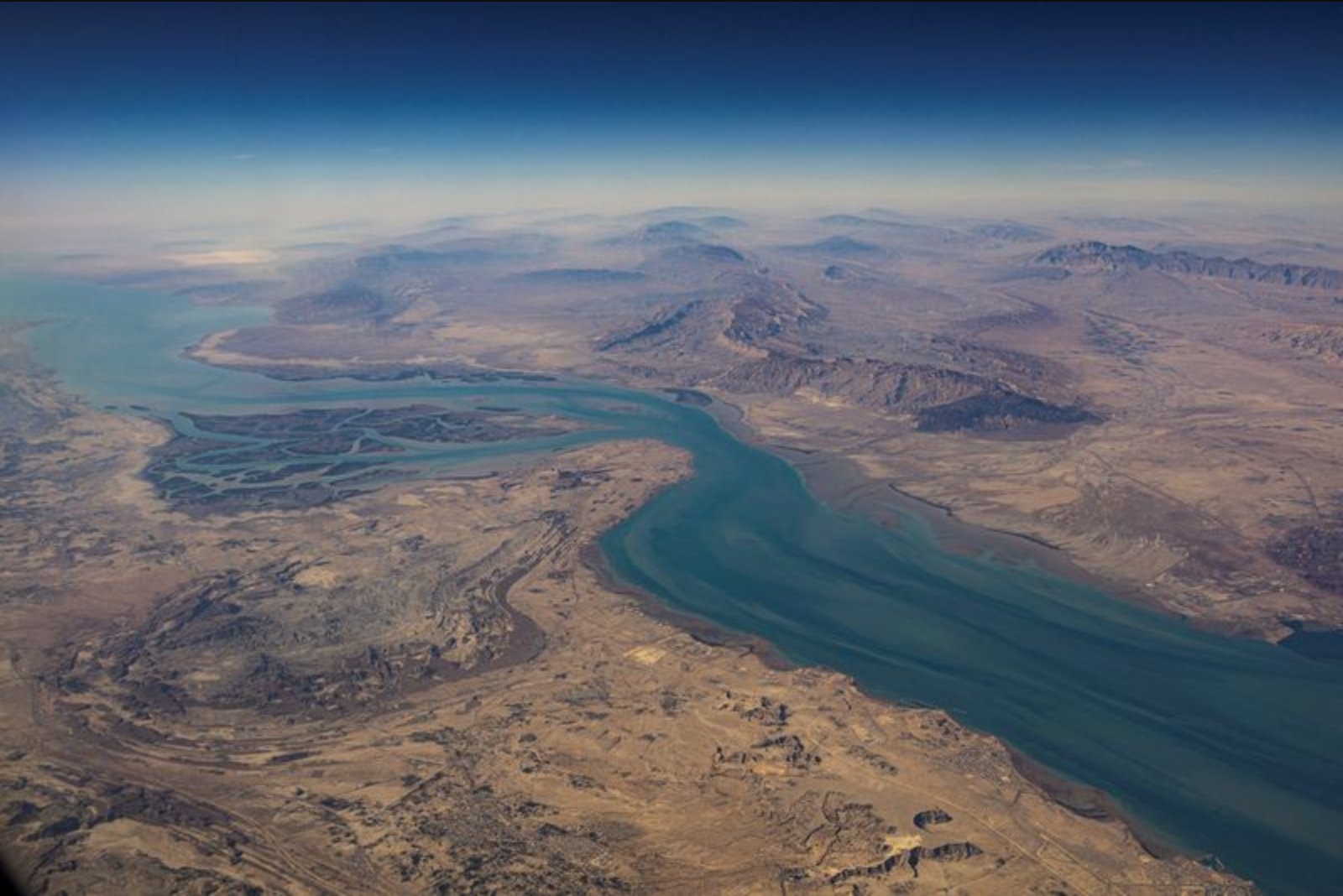
The Strait of Hormuz, which sits between Oman and Iran, functions as a principal maritime passage for exports from Gulf producers. Around 20% of global oil exports move through this narrow waterway, including flows from Saudi Arabia, the United Arab Emirates, Iraq, Kuwait and Iran. The strait also handles large volumes of LNG originating in Qatar. In addition to crude and LNG, the Gulf exports significant quantities of propane, butane and ethane used across heating, fuels and agricultural sectors.
Since Europe reduced its reliance on Russian energy following Russia’s invasion of Ukraine, imports from Gulf suppliers have taken on greater importance for the region. Data cited in market analysis show that the United Kingdom, Italy, Belgium and Poland are among the European countries most dependent on LNG shipments that transit the Strait of Hormuz.
Immediate market moves and shipping disruptions
Shipping data show that more than 200 vessels, including oil and liquefied gas tankers, have anchored in the vicinity of the Strait of Hormuz and nearby waters as a direct consequence of the Iran conflict. Faced with heightened navigational risk, many ships have paused or altered routes, producing upward pressure on commodity prices.
Brent crude futures rose by nearly 8% to $78 a barrel on the initial market reaction. Natural gas prices on the Dutch market surged roughly 19%, trading at 38 euros per megawatt-hour (MWh). These moves stand in contrast to the assumptions the European Central Bank used in its December projections, which were based on a natural gas price of 29.6 euros/MWh and a crude oil price of $62.5 per barrel for the year.
The ECB is scheduled to publish updated macroeconomic projections on March 19. The cut-off date for incorporating energy prices and other market indicators is three weeks before that release - a timing that falls very close to the current period of market volatility. That schedule implies the bank may need to revise up its energy inflation assumptions in the new projections. The ECB could opt to present a range of scenarios, as it did after Russia’s invasion of Ukraine in 2022, to capture uncertainty about the path of prices.
Market commentary from a major European bank suggested oil might remain capped around $80 a barrel given ample supply, noting that only extensive escalation - for example damage to major Saudi oil infrastructure - would push prices toward $100. Shipping firms have again started rerouting vessels around the Cape of Good Hope and the southern tip of Africa rather than transiting the Suez Canal, a shift that may raise freight rates and increase the cost of imported goods into Europe.
Projected effects on inflation and growth
The ECB’s published sensitivity analysis from December indicates that the short-term inflationary impact of a spike in oil and gas prices would be significantly larger than the corresponding drag on real GDP. Under the ECB’s scenario, a permanent 14% rise in oil and gas prices would lower growth by 0.1% in the current year while raising inflation by as much as 0.5%. Similar-sized effects would be expected in the following year before fading thereafter.
Forecasts gathered by market polls suggested modest expansion for Europe this year: euro zone growth was seen at 1.2% and the U.K. at 1.0% for the current year, with both expected to expand by about 1.4% the following year. These growth rates are modest when compared to forecasts for the United States, where output was expected to increase faster over the same horizon.
Even with the price moves observed so far, the overall hit to output would be small compared with the energy shock experienced after Russia’s attack on Ukraine in 2022. That earlier shock trimmed euro zone growth by roughly 1 percentage point and raised inflation by about 2 percentage points, according to a European Commission analysis. A comparatively strong euro also buffers the inflation impact for Europe because global energy commodities are priced in dollars.
The ECB has argued that a temporary spike in energy prices is unlikely to dent potential output in the longer run, since much of the growth impact would be temporary while the economy adjusts. The central bank’s primary concern would be if a one-off increase in energy costs fed into medium- and long-term inflation expectations or became embedded in wage- and price-setting dynamics. Such second-round effects would take many months to materialize, the ECB notes, so its initial posture is to look through transient volatility while monitoring for persistence.
How central banks and markets are reacting
Market pricing has adjusted to reflect the uncertainty. Investors pared expectations of a near-term rate cut from the Bank of England, with the likelihood of a 25 basis point reduction later this month falling to an implied 69% probability from 78% prior to the conflict. For the ECB, no immediate rate action is anticipated; the bank was already expected to hold benchmark rates steady through the remainder of the year and traditionally does not react to short-lived market swings or transitory energy price movements.
Policy choices will hinge on how long the conflict and shipping disruptions persist and whether elevated energy prices broaden into more persistent inflation pressures. Public statements from political leaders and private assessments by banks and economists reflect a range of possible timelines. One public comment noted that the operation could last around four weeks. Economists at a major German bank judged that a conflict lasting only a few weeks would have no significant macroeconomic impact. However, they cautioned that if fighting were to continue for several months, euro zone inflation could rise by at least one percentage point and economic growth could be trimmed by a few tenths of a percentage point.
At present euro zone inflation sits below target at 1.7%, suggesting that a moderate increase tied to higher energy prices would not necessarily jeopardize the ECB’s objective. Market-based measures of longer-term inflation expectations have remained broadly stable so far, supporting a central bank approach that emphasizes watchfulness rather than immediate policy moves. Current market pricing does not embed any interest rate reductions by the ECB for this year.
Implications for sectors and supply chains
The most directly affected sectors are energy - including crude oil and natural gas - and shipping. Higher freight rates from rerouting around Africa would raise the landed cost of imported goods and could push up prices for consumers. Propane, butane and ethane flows used in heating, fuels and agriculture may also see upward pressure. Monetary policy and financial markets will monitor whether these supply-side shocks translate into broader demand-side inflation or labor market effects that would require a policy response.
For now, the central banks appear inclined to await clearer evidence on the duration and magnitude of the disruptions before altering policy settings. The split between a possible modest and temporary price shock and a larger, more persistent inflationary impulse will determine whether the current episode becomes a brief market disturbance or a material economic headwind.