
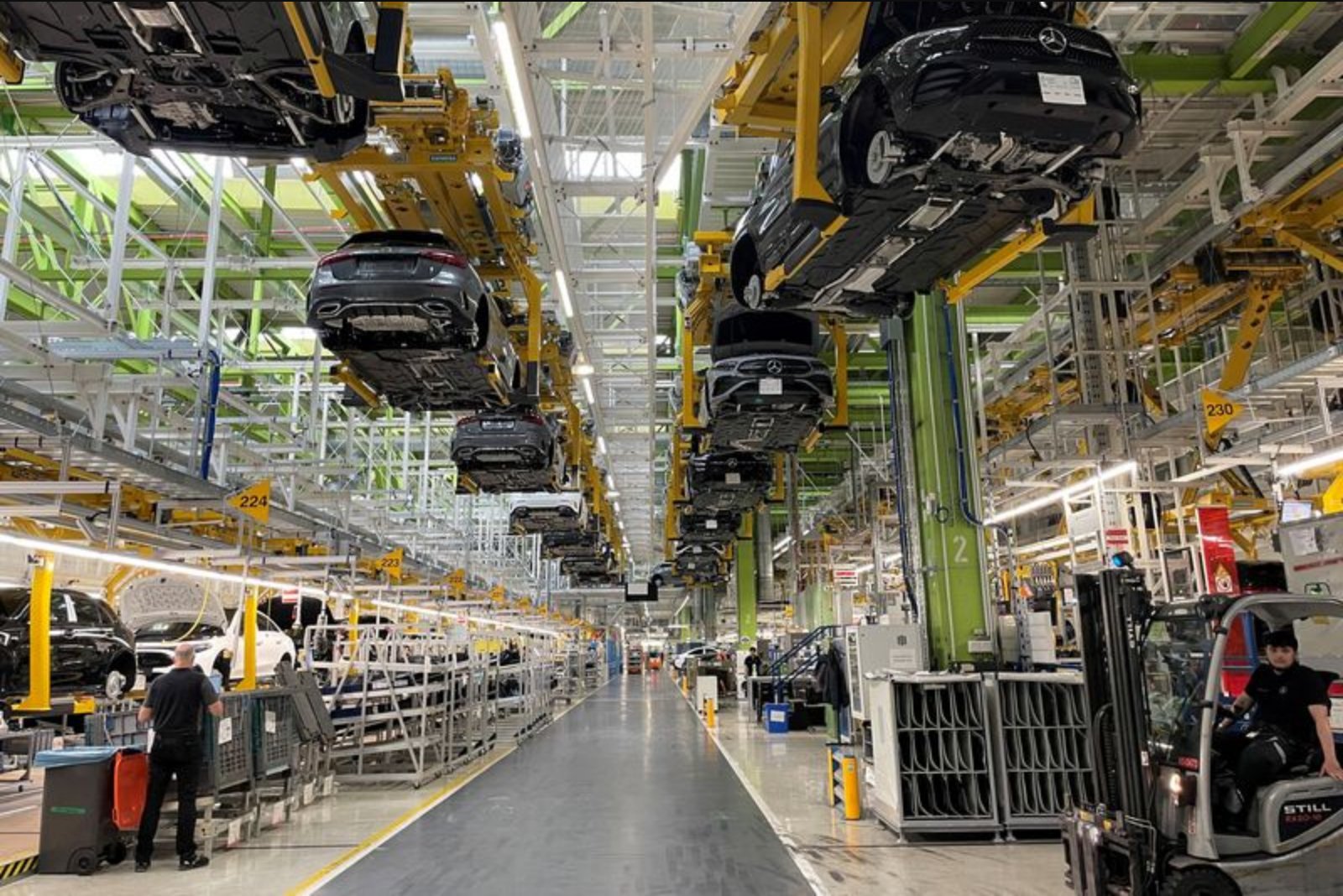
Industrial activity in the euro zone began 2026 on a weaker footing than many analysts had anticipated, with official figures for January showing a marked contraction in output.
Eurostat reported that aggregate industrial production across the 21 nations that use the euro dropped 1.5% in January compared with December. That outcome contrasted with a Reuters poll of economists that had pointed to a 0.6% increase for the month. On an annual basis, production was down 1.2% compared with the same month a year earlier, whereas the Reuters poll expected a 1.4% rise.
The data reinforce a longer-term pattern of limited momentum in the bloc's industrial sector. Output remains below its level in 2021, and a range of pressures - including high energy prices, tougher competition from Chinese manufacturers, U.S. tariffs, weak productivity growth and muted global demand for European cars - are cited as factors that have weighed on the industry.
Germany, the largest economy in the single-currency area and the bloc's leading vehicle producer, is a focal point of the weakness. Industrial output in Germany is 9% lower than in 2021 and has been on a downward trajectory for several years, a trend that has contributed to broadly stagnant economic performance in Germany over the past three years.
Some forecasters had expected a revival in euro-zone industrial activity this year, in part supported by elevated German government spending on defence and infrastructure projects. However, that prospective rebound has been clouded by a recent sharp rise in energy costs.
Oil prices have climbed by roughly two thirds since the start of the year, while natural gas costs have increased by about 80% on the U.S.-led war in Iran. For an industrial region that imports more energy than it exports, these moves represent a double burden: they raise production costs and reduce households' purchasing power, further squeezing demand.
Europe's industrial sector is particularly sensitive to commodity price shocks because the bloc has comparatively limited domestic natural resources. The combination of persistent structural challenges and a fresh energy-price shock leaves the short-term outlook for manufacturing fragile.
Summary
Eurostat's January figures reveal unexpected monthly and annual declines in euro-zone industrial production, with the sector still below 2021 levels. The recent surge in oil and natural gas prices exacerbates downside risks to any hoped-for recovery.