
Inflation in the 21 countries that share the euro accelerated in February to 1.9% from 1.7% a month earlier, outpacing the market consensus of 1.7%, official data showed. The rise came as higher food and services costs offset subdued energy prices across the bloc.
Excluding volatile items such as fuel and food, underlying inflation moved up to 2.4% from 2.2%, helped by services inflation that accelerated more than forecasters had expected. Those core dynamics suggest domestic price pressures remain elevated even as headline figures sit below the European Central Bank’s 2% objective.
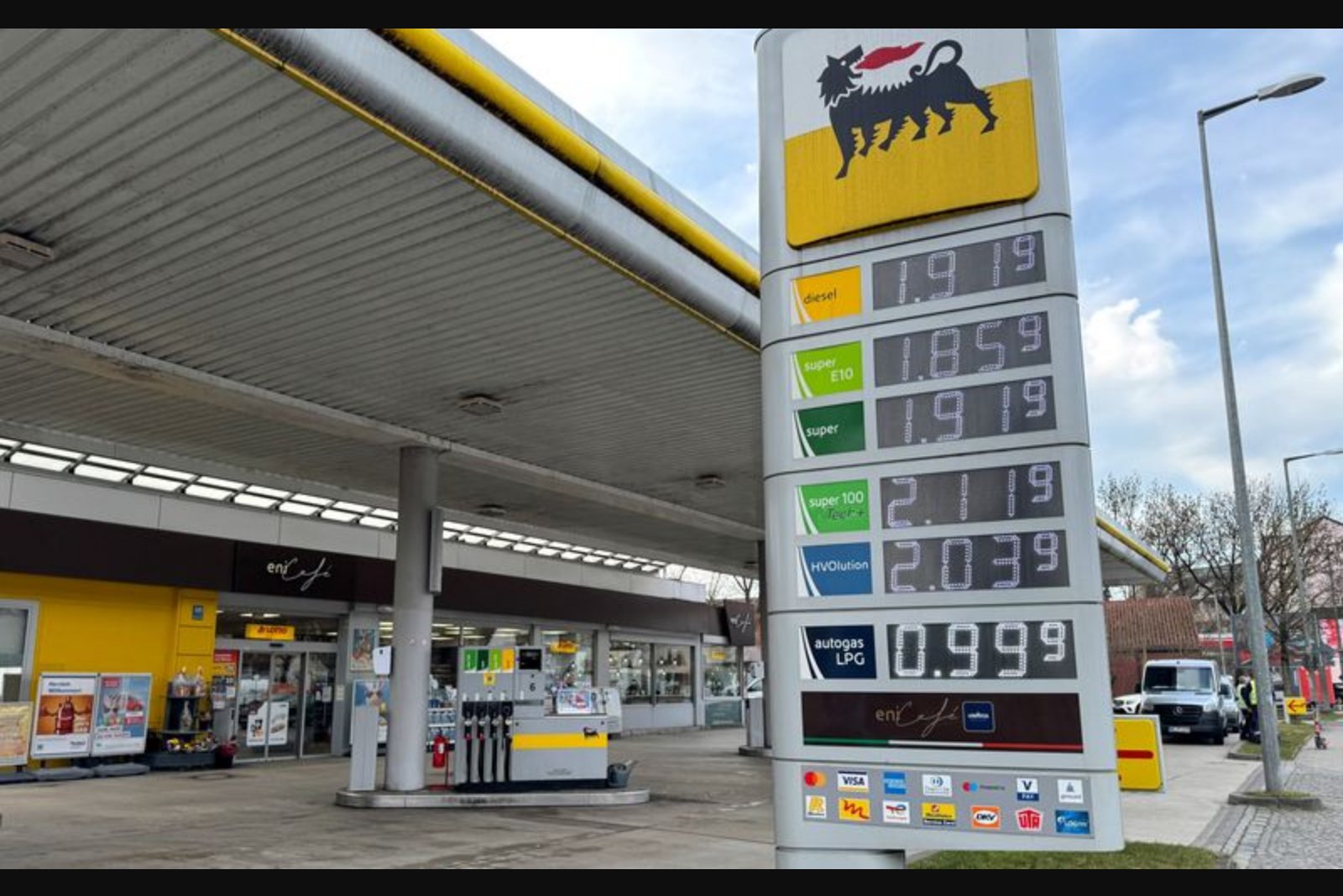
Despite the surprise in the monthly print, the immediate focus among policymakers has shifted to the possible effects of the recent spike in oil and gas prices following conflict in the Middle East. Energy prices rose by more than 10% over the past week and that jump has the potential to produce a rapid pass-through to pump prices: fuel retailers typically pass higher costs onto drivers within days.
Financial institutions have tried to quantify the likely impact. JP Morgan has calculated that a 10% increase in Brent crude oil prices measured in euros would push headline inflation up by roughly 0.11 percentage points within three months. Applying that sensitivity to the recent energy move, the bank estimates the oil price surge observed last week would raise inflation by about 0.2 percentage points if prices stabilised at current levels.
Even with that potential near-term effect, projections continue to show inflation running below the ECB’s 2% target in 2026 and 2027. That outlook, together with the fact that monetary policy operates with long and variable lags and is limited in its ability to counter immediate energy-driven price moves, suggests a one-off oil shock may not force an instant change in rates.
Market pricing currently reflects that view: investors do not expect a change to the ECB’s 2% deposit rate across the remainder of the year, and longer-term inflation expectations have not registered a notable rise. Those signals indicate the recent geopolitical developments have not, for now, unseated the central bank from what some describe as a "good place."
Commercial forecasters echoed the same reasoning. Societe Generale noted that because headline inflation is still projected to remain below 2% in 2026-27, there is no immediate need for ECB policy action. It added that only a persistent and materially larger rise in oil prices - well above $10 per barrel - together with evidence of durable second-round effects would merit a tightening response.
Policy makers nevertheless face a different backdrop than in 2022. The ECB may be less inclined to wait this time, having previously been accused of reacting too slowly when inflation accelerated two years ago and subsequently raising rates at a record pace to rein in prices. Domestic inflation has lingered above target for an extended period and only an earlier fall in oil prices had pulled headline inflation below 2%.
That context implies the ECB is likely to treat the current oil-driven surge as a potential one-off while remaining prepared to move quickly if inflation expectations or wage-setting behaviour begin to shift more permanently. The central bank is due to convene next on March 19; given its emphasis on persistent changes in financial conditions, a policy adjustment at that meeting is considered highly unlikely absent clearer evidence that the conflict has produced durable changes in the economy.
Section takeaway - February’s inflation surprise highlights persistent domestic price pressures in services and food, while a recent more-than-10% rise in oil prices has raised the prospect of an immediate but potentially transitory boost to headline inflation. The ECB’s policy response will hinge on whether the energy shock proves temporary or leads to sustained second-round effects.