
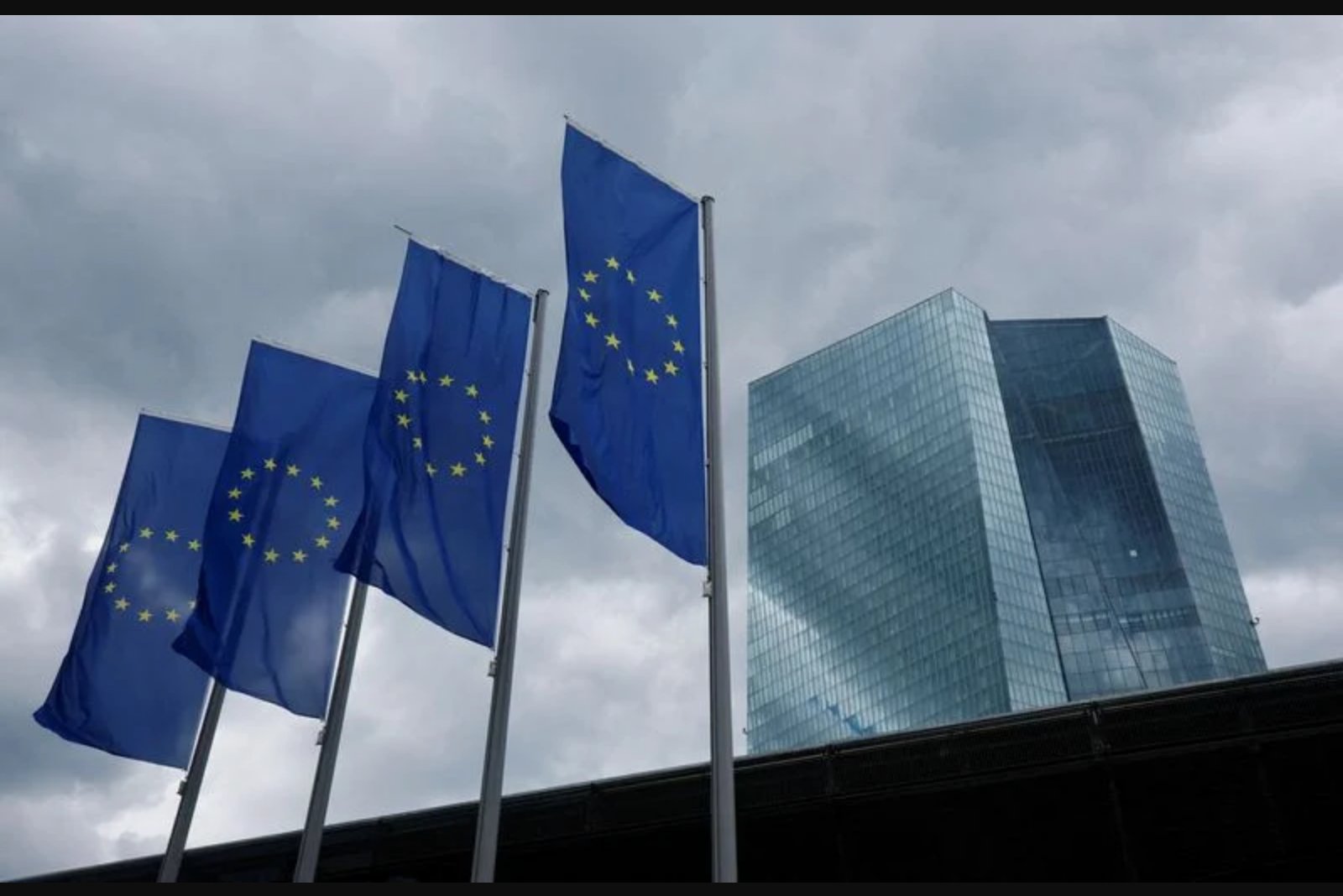
Consumer price growth across the euro-area accelerated in May, according to official data, lifting both headline and underlying measures of inflation and strengthening the case for a modest European Central Bank interest rate increase later this month.
Eurostat reported that consumer prices in the 21 countries that use the euro were up 3.2% in May compared with a year earlier, rising from 3.0% in April. That pace sits clearly above the ECB's 2% target while matching expectations in market polls.
The rebound was led by energy and services. Energy inflation jumped to 10.9% year-on-year, while services inflation was reported at 3.5%. Underlying inflation - the measure that strips out volatile energy and food components - also moved higher, rising to 2.5% in May from 2.2% in April. Eurostat attributed the core pickup to stronger services inflation alongside a small acceleration in prices for industrial goods.
Policymakers at the European Central Bank have been closely watching both headline and core readings. Officials have already signalled that a rise in inflation supports an increase in borrowing costs, and financial markets have nearly fully priced a 25 basis point ECB rate rise on June 11. Market expectations also include the prospect of one or two additional increases in the autumn.
The persistence of elevated energy prices remains a central concern. Analysts and policymakers note the risk that higher energy costs could seep into broader price-setting across the economy, creating more persistent inflation pressures. The argument often made is that even if hostilities were to end soon, damage to energy infrastructure and to corporate supply chains may have already occurred, slowing normalisation and keeping prices elevated into the second half of the year.
At the same time, the latest signals from purchasing managers indices and the ECB's own data point to growing pressure on the real economy. With the Iran war continuing to weigh on sentiment and energy costs, further downward revisions to already subdued growth forecasts appear likely. Europe remains a net energy importer, and its industrial sector has been hit by the loss of cheap Russian gas following Russia's invasion of Ukraine and by higher U.S. tariffs, exacerbating strain on manufacturers.
Households entered this period holding substantial savings and that cushion could support spending for a time. Nonetheless, historical patterns suggest consumers can quickly become guarded when the macro newsflow deteriorates, which could reduce demand growth.
Unlike the fast-moving inflation surge seen in 2022, the labour market is now softer, which analysts say reinforces consumer caution. That softer labour backdrop suggests there may be fewer second-round effects from high energy prices feeding into wages and then into broader inflation, reducing some pressure on the ECB to pursue aggressive tightening. As a result, any policy tightening is expected to be modest - notably less forceful than the record series of rate hikes implemented in 2022 - because weaker underlying growth constrains firms' ability to fully pass on higher costs.
Bottom line - May's euro-area inflation readings underscore renewed price pressures concentrated in energy and services, lift core inflation, and align with market pricing for a limited ECB rate increase in June and the possibility of further modest moves later in the year.