
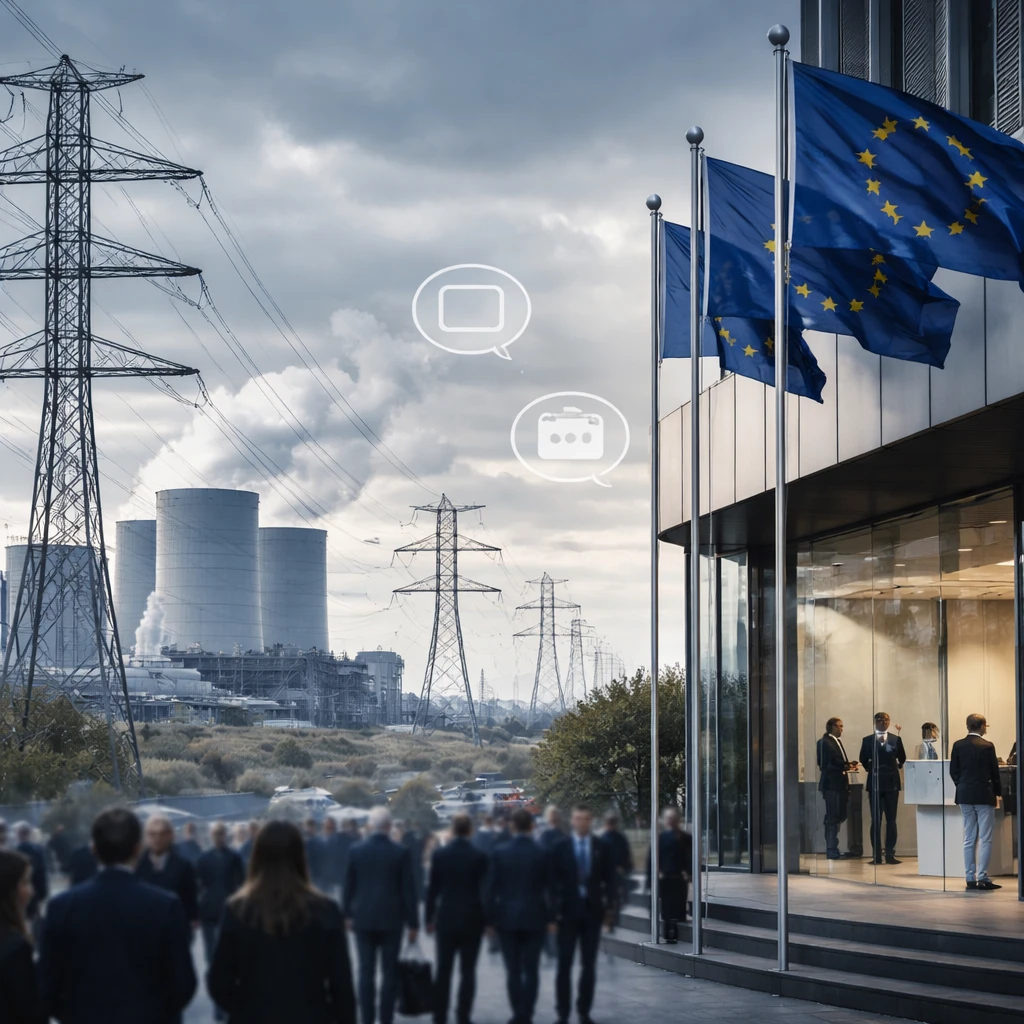
European Union governments could be given leeway to offer state aid to businesses with heavy energy use that are struggling with soaring electricity bills, EU competition chief Teresa Ribera said at a conference on Thursday.
Speaking at an event organised by the German antitrust authority Bundeskartellamt, Ribera said there remain untapped options within current state-aid frameworks that member states could use to provide relief to electricity prices for energy-intensive users.
She indicated the European Commission stands ready to roll out both short-term support measures and longer-term programmes to help companies absorb the economic impact of the conflict in Iran - impacts that have pushed up oil and gas prices and, in turn, electricity costs.
Ribera said the Commission would lean on the playbook used in earlier crises, noting that measures employed during the COVID-19 pandemic and the war in Ukraine had enabled governments to deliver billions of euros to firms. "We are not there yet but in case it happens, we need to draw from the experience of previous crisis," she said.
The comments frame state aid as a possible policy response should the energy-price shock require government intervention. Ribera’s remarks stopped short of announcing concrete new programmes, instead underscoring that legal channels for support remain available and that any action would draw on prior crisis-management experience.
In the same appearance, Ribera raised a separate issue involving a major technology company. She said the Commission is examining a recent change in policy by Meta Platforms regarding third-party AI chatbots on its messaging service.
"Last week, Meta then announced that it would reverse its decision to exclude third party AI chatbots from WhatsApp, but it will start charging a fee. We are now carefully assessing if this policy change has an impact on the need for the Commission to act urgent," Ribera said.
Earlier this month Ribera had warned she could temporarily block Meta from excluding rival AI chatbots from the platform. Rivals have criticised Meta’s new fee structure as overly complex and expensive, and they have pressed the EU antitrust authority to consider issuing an interim measure.
The comments from Ribera highlight two distinct policy fronts for the Commission: potential state-aid responses aimed at mitigating the fallout of rising energy costs for industrial users, and active scrutiny of platform policies that could affect competition in emerging AI services on messaging platforms.
Note: This report is based on statements made by EU competition chief Teresa Ribera at the Bundeskartellamt conference.