
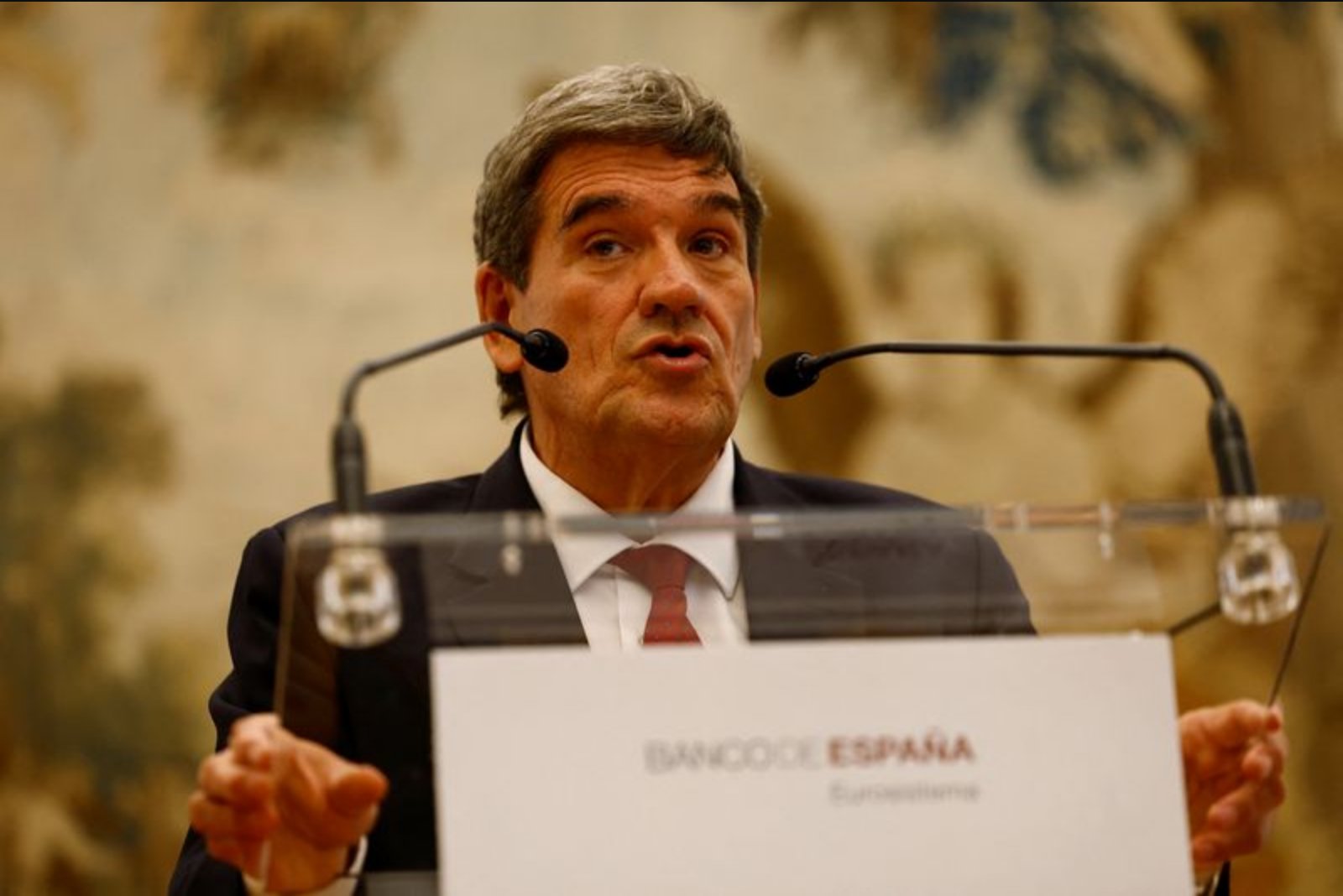
Spain should ensure any measures to blunt the economic consequences of the conflict tied to Iran are specifically designed to shield the most affected sectors and households, and should remain in place only as long as necessary, Bank of Spain Governor Jose Luis Escriva told EFE.
Oil and gas prices have jumped since U.S.-Israeli attacks on Iran began, raising the risk that higher energy costs will drive up consumer prices and depress economic activity across the 21-nation currency bloc, which relies heavily on imported fuel.
"In situations of this nature, the measures adopted must be very clearly defined to protect those areas of the economy and society that are most affected", Escriva said in an interview with the state news agency published on Friday. His remarks underline the preference for targeted, temporary support rather than broad-based, open-ended subsidies.
The Spanish government is set to approve at an extraordinary cabinet meeting on Friday a plan to help households and business weather the impact from higher energy prices. Officials have framed the package as support aimed at easing the immediate burden from the recent jump in fuel costs.
At the same time, the European Central Bank held its key interest rate at 2% on Thursday. Policymakers, however, expect to discuss hikes in the coming months as the Iran war pushes up inflation in the euro zone.
Escriva cautioned on the difficulty of pinning down the eventual economic fallout from rising energy costs. He said it was "very difficult to discern exactly what the impact of this rise in energy prices will be" and stressed that "the ECB makes decisions based on the medium-term evolution of inflation and sometimes there are situations that subside and do not necessarily entail a change in interest rates."
He added that the current environment is "highly uncertain and volatile and what we must do is continue to assess a wealth of information." That assessment, he suggested, should guide both monetary policy deliberations and the scope and duration of fiscal measures aimed at shielding consumers and firms.
Context for policymakers
Escriva's comments reflect a cautious approach: support focused on the most exposed households and industries, careful monitoring of inflation trends across the euro area, and an emphasis on time-limited measures to avoid long-term fiscal commitments.