
Economy June 2, 2026 08:11 PM

Escalating Military Exchanges Between U.S. and Iran Cloud Prospects for Peace Talks

Fresh strikes on regional targets and reports of halted negotiations signal rising instability in the Middle East.

By Ajmal Hussain

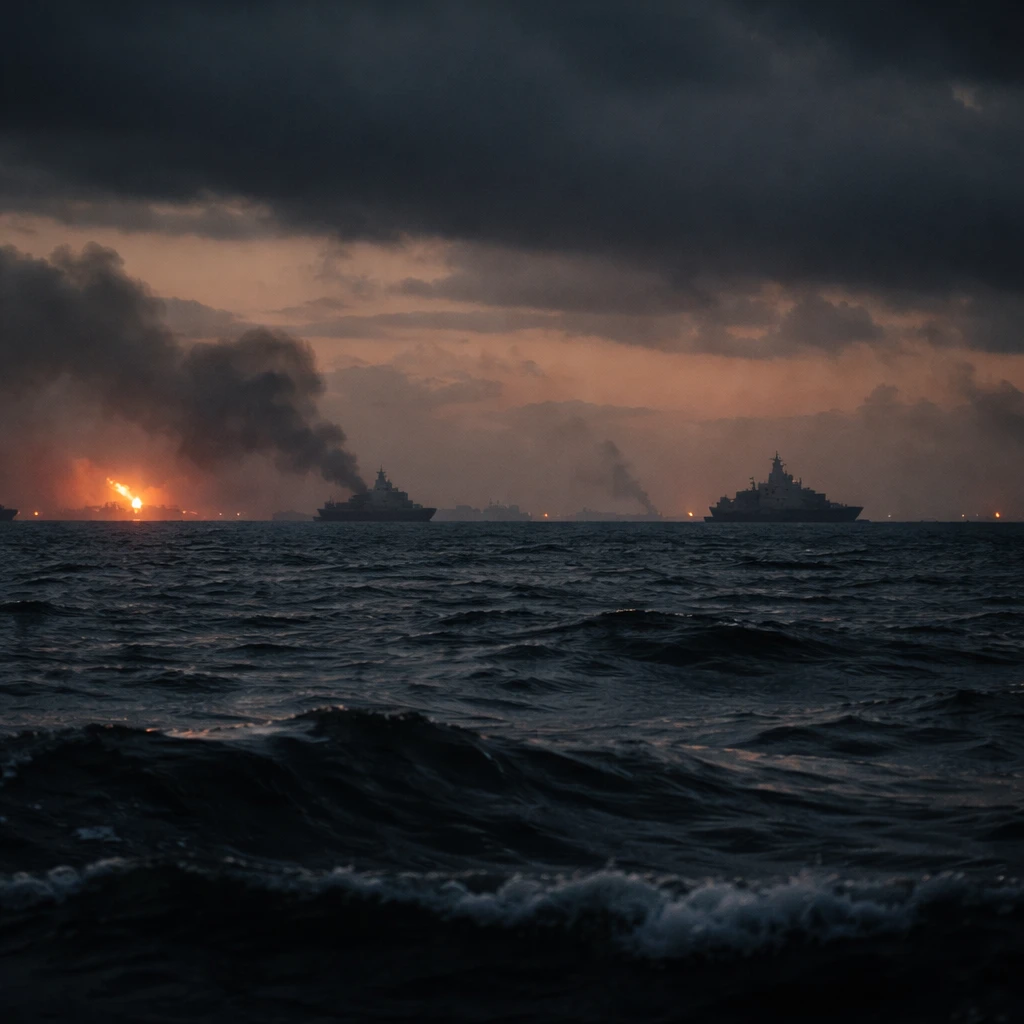
Military tensions between the United States and Iran have intensified following a series of direct strikes exchanged across the Middle East. U.S. Central Command (CENTCOM) reported on Tuesday evening that it successfully intercepted a wave of Iranian missile and drone attacks directed at Kuwait and Bahrain. In response to these incursions, CENTCOM executed retaliatory strikes against an Iranian ground control station located on Qeshm island.The conflict has also extended to maritime security, with CENTCOM confirming the interception of Iranian attack drones targeting vessels within regional waters. While the military exchange was significant, official reports indicate that no military personnel sustained injuries during these specific operations. Conversely, Iran's Revolutionary Guard (IRGC) claimed responsibility for strikes against the U.S. 5th Fleet headquarters in Bahrain and a regional air base, characterizing these actions as retaliation for prior American aggression. However, CENTCOM has characterized these Iranian attempts as unsuccessful.These kinetic developments coincide with reports that diplomatic channels are fracturing. Iranian media outlets indicated earlier this week that Tehran has suspended indirect negotiations with the United States, a move prompted by the escalating regional friction. This breakdown in dialogue occurs despite statements from U.S. President Donald Trump, who had previously downplayed reports of halted talks and suggested a peace agreement could be reached within the coming week. The renewed military activity complicates the path toward a resolution, particularly as core disagreements regarding Iran's nuclear program remain unresolved.

Escalating Military Exchanges Between U.S. and Iran Cloud Prospects for Peace Talks

Key Points

  • The blockage of the Strait of Hormuz threatens energy markets due to its role in supplying 20% of global oil demand.
  • Military exchanges between CENTCOM and the IRGC indicate a breakdown in regional stability.
  • Contradictory reports regarding the status of peace negotiations create uncertainty for long-term diplomatic outcomes.

The geopolitical landscape in the Middle East has shifted toward heightened military confrontation following a Tuesday evening report from U.S. Central Command (CENTCOM). According to the command, Iranian forces launched a series of missile and drone strikes against several nations in the region, specifically targeting Kuwait and Bahrain. CENTCOM reported that these attacks were "successfully defeated," prompting a counter-strike by U.S. forces against an Iranian ground control station situated on Qeshm island.

The maritime dimension of the conflict has also seen activity. CENTCOM officials stated they shot down Iranian attack drones that were aimed at ships operating in regional waters. Despite the intensity of these exchanges, no military personnel were reported harmed during the events described by the command.

The Islamic Republic's military wing, the Revolutionary Guard (IRGC), provided a different perspective on the engagement. In an official statement, the IRGC claimed to have targeted both an air base in the region and the U.S. 5th Fleet headquarters in Bahrain, citing these strikes as a response to previous acts of aggression by the United States. CENTCOM has countered this claim by stating that those specific attacks failed to achieve their objectives.


Key Economic and Market Points

The ongoing military volatility presents several critical points for market observers:

  • Disruption of Energy Supply Chains: Iran has maintained an effective blockade of the Strait of Hormuz. This is a significant development for global energy markets, as this waterway historically supplied approximately one-fifth of the total global demand for oil prior to the onset of the current war.
  • Instability in Diplomatic Frameworks: The reported halt of indirect negotiations between Tehran and Washington by Iranian media adds a layer of uncertainty to the geopolitical environment, complicating efforts to stabilize the region.

Risks and Uncertainties

Investors and analysts face several explicit uncertainties stemming from this escalation:

  • Negotiation Collapse: While President Donald Trump has indicated that a peace deal could be possible in the near future, the renewed military strikes and reports of halted talks create significant doubt regarding the viability of a ceasefire or a lasting peace agreement.
  • Nuclear Policy Deadlocks: The fundamental disagreements between Washington and Tehran concerning Iran's nuclear ambitions remain a central point of contention, ensuring that political risk remains high for the region.
  • Maritime Security Risks: The use of drones against vessels in regional waters and the blockage of the Strait of Hormuz introduce direct risks to international shipping and global oil supply stability.

Risks

  • Energy market volatility due to restricted traffic in the Strait of Hormuz.
  • Diplomatic instability resulting from the reported halt of indirect U.S.-Iran talks.
  • Unresolved geopolitical friction regarding Iran's nuclear ambitions.

More from Economy

Market Resilience Amidst Sector Shifts: Dow and Russell 2000 Reach New Heights Jun 4, 2026 Australian house price momentum to slow to four-year low as borrowing costs bite Jun 4, 2026 Kevin O’Leary Scales Back Utah Data Center Plan Amid Lawmaker Concerns Jun 4, 2026 Fed's Daly Says AI Could Exert Downward Pressure on Prices Over Several Years Jun 4, 2026 Putin Says Moscow Willing to Make Concessions if Kyiv Reciprocates Jun 4, 2026