
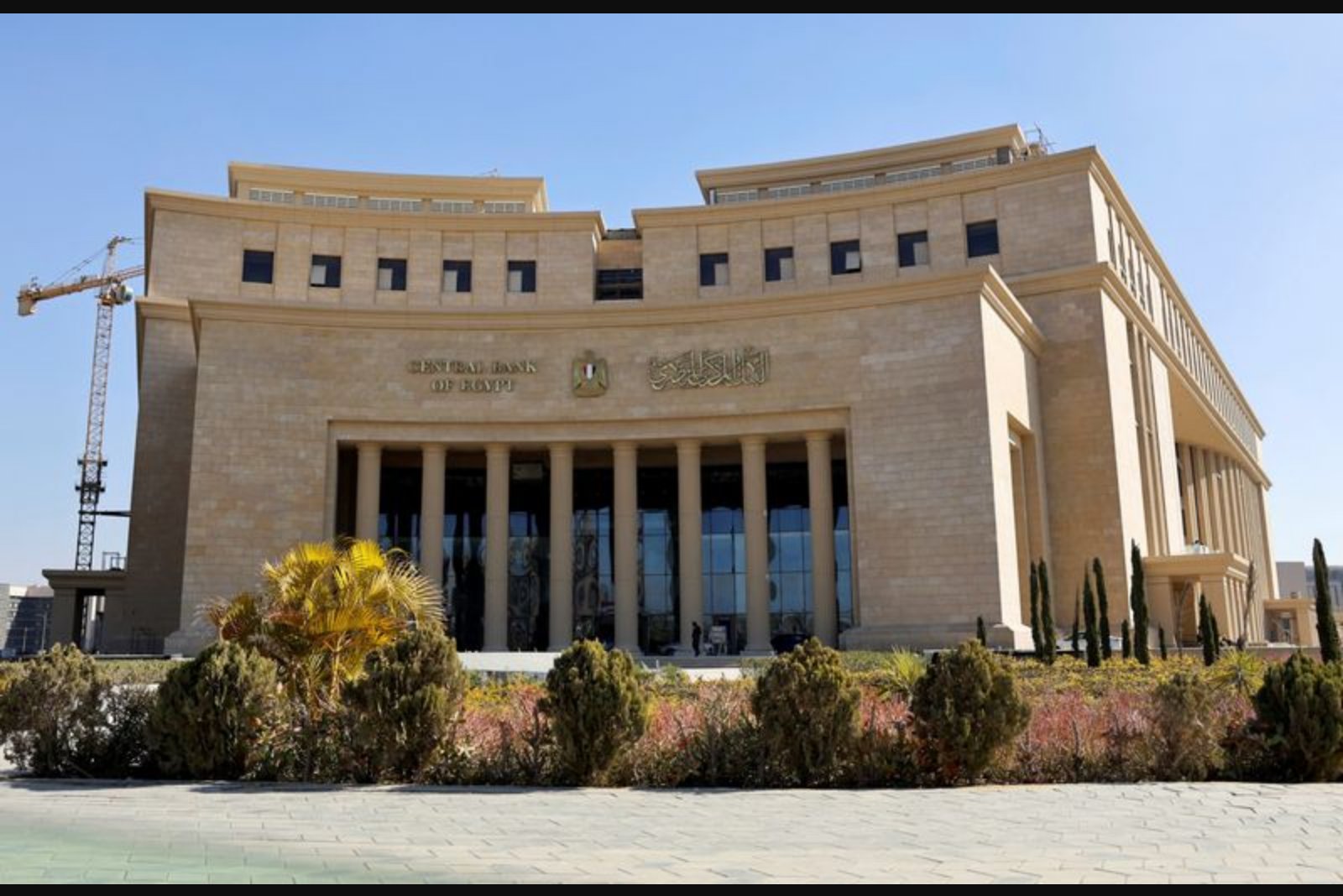
Economists surveyed in a Reuters poll expect Egypt's central bank to reduce its policy rates by 100 basis points when the Monetary Policy Committee (MPC) meets on Thursday, extending an easing cycle that began in April of last year. The median projection from 14 analysts places the deposit rate at 19.0% and the lending rate at 20.0% after the cut. Currently, the central bank's deposit rate stands at 21% and the lending rate at 22%.
The committee initiated its move away from peak tightening last April, after having raised the lending rate to 27.25% in March 2024 as part of measures tied to an $8 billion financial support package with the International Monetary Fund. At that time the bank also implemented a sizeable adjustment to the exchange rate of the Egyptian pound against the dollar.
The earlier rate increases pushed Egypt's real interest rates to among the highest globally. Since the start of the easing cycle in April, the central bank has lowered policy rates by a cumulative 725 basis points.
Market and policy analysts point to several factors behind the window for further cuts. In a note, Heba Monir of HC Securities & Investment wrote: "Given Egypt’s improved external position, the EGP’s appreciation, the high real interest rate, the slowdown in input costs, the relative easing in geopolitical risks, and the expected decline in inflation rates, we see that the MPC has a window of opportunity to cut the policy rates by 150-200 bps."
Official inflation metrics show a substantial easing from last year's peak. Egypt’s annual urban consumer price inflation was 12.3% in December, down from a high of 38% in September 2023. January inflation data are scheduled for release on Tuesday and could influence the committee's final decision.
Key contextual details from the poll and recent policy history underscore the balancing act for the MPC: managing a still-elevated inflation backdrop while responding to an improving external position and currency dynamics, and unwinding previously aggressive tightening that was linked to international financial support.
Observers watching the Thursday meeting will pay particular attention to the magnitude of the cut relative to the poll's median, and to incoming January inflation figures that may affirm or complicate the path for additional easing.