
European Central Bank Governing Council member Fabio Panetta cautioned that risks to inflation in the euro area are substantial in either direction, singling out the recent expansion of imports from China as a notable contributor to the recent deceleration in price growth.
Speaking at the Assiom-Forex financial conference in Venice, Panetta said that while a sharper-than-expected slowdown in inflation has emerged in early 2026, forthcoming economic projections from ECB staff in March will add important inputs for monetary policy decisions over the coming months.
"Both upside and downside inflationary risks are significant," Panetta said in the text of his speech. He urged a flexible monetary policy stance that remains anchored to the medium-term outlook and grounded in a comprehensive appraisal of data and their implications for inflation and growth.
Euro zone consumer price growth fell to 1.7% in January, a 16-month low and below the ECB’s 2% objective. That weaker print has prompted some policymakers to voice concern that price growth may slow too far, and Panetta said the dip does not "significantly alter the medium-term assessment, but highlights a number of aspects to be monitored."
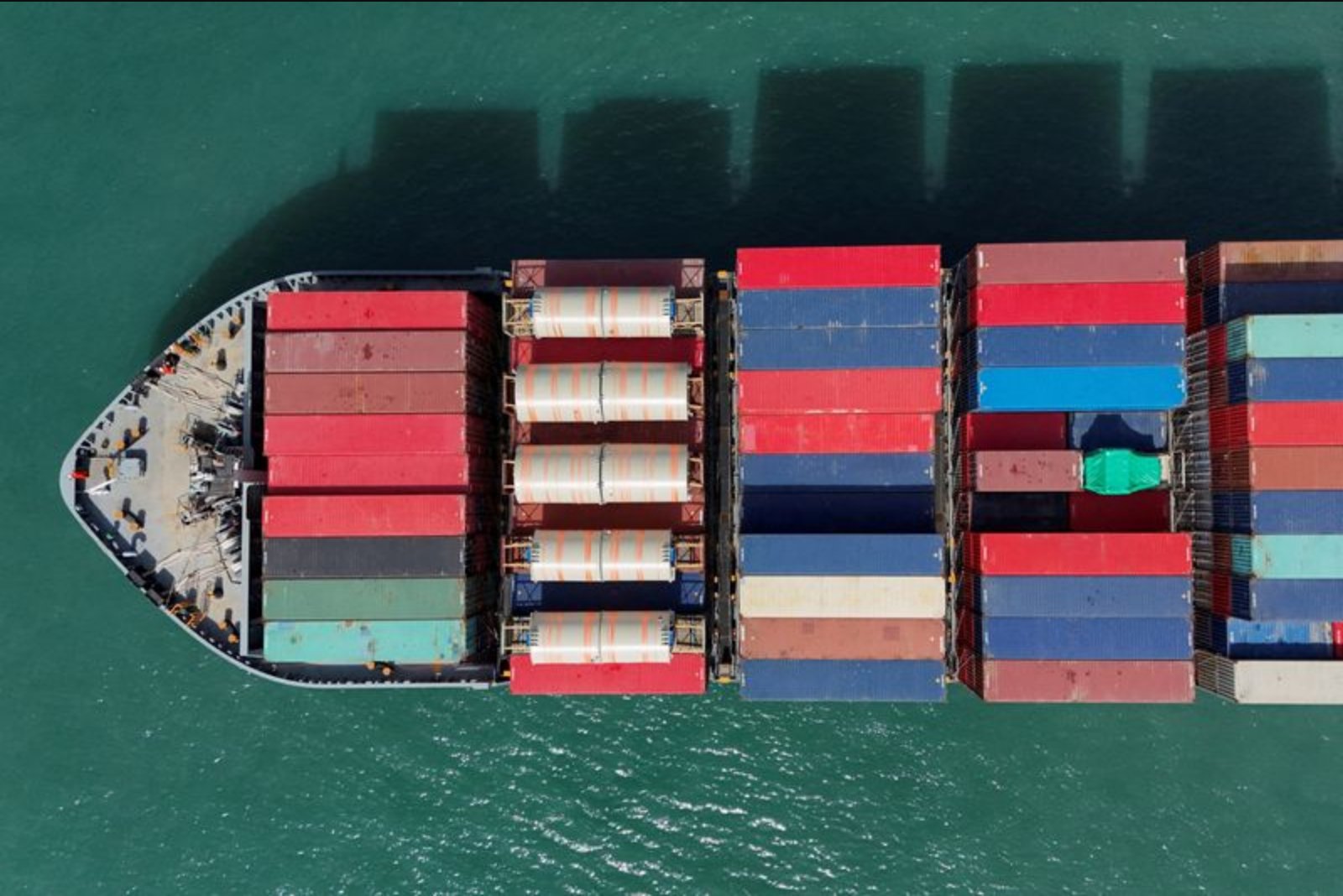
He identified the trend in imports from China as the principal factor deserving attention. According to Panetta, Chinese shipments to the euro area have increased by 27% in volume terms since the start of 2024, while the prices of those imports have fallen by 8%. He said this combination is exerting downward pressure on the prices of goods most exposed to competition from China.
"The disinflationary impact remains limited for the time being, but is already visible - with the prices of the goods most exposed to Chinese competition decelerating faster than the rest - and could become more pronounced in the coming months," he added.
Panetta also pointed to other channels that could push inflation lower. A further appreciation of the euro or a correction in financial markets - where corporate equity and bond prices might not fully reflect economic risks - could amplify the downside. By contrast, he said energy markets continue to be vulnerable to geopolitical tensions, creating the potential for inflationary pressure through higher commodity costs or renewed fragmentation of global supply chains that would lift input prices.
In sum, Panetta portrayed the outlook as finely balanced. The recent fall in inflation has brought several influences into clearer relief, with import dynamics from China at the forefront on the downside and energy and supply-chain disruptions representing the main upside risks. He emphasized that March’s staff projections at the ECB will provide additional evidence to inform the policy path, underscoring the need for a data-driven, adaptable approach.