
Economy March 11, 2026

ECB Will Act If Iran Conflict Pushes Energy Costs into Lasting Inflation, Nagel Warns

Bundesbank chief says surge in fuel prices raises inflation risk and warrants readiness to tighten policy

By Sofia Navarro
ECB Will Act If Iran Conflict Pushes Energy Costs into Lasting Inflation, Nagel Warns

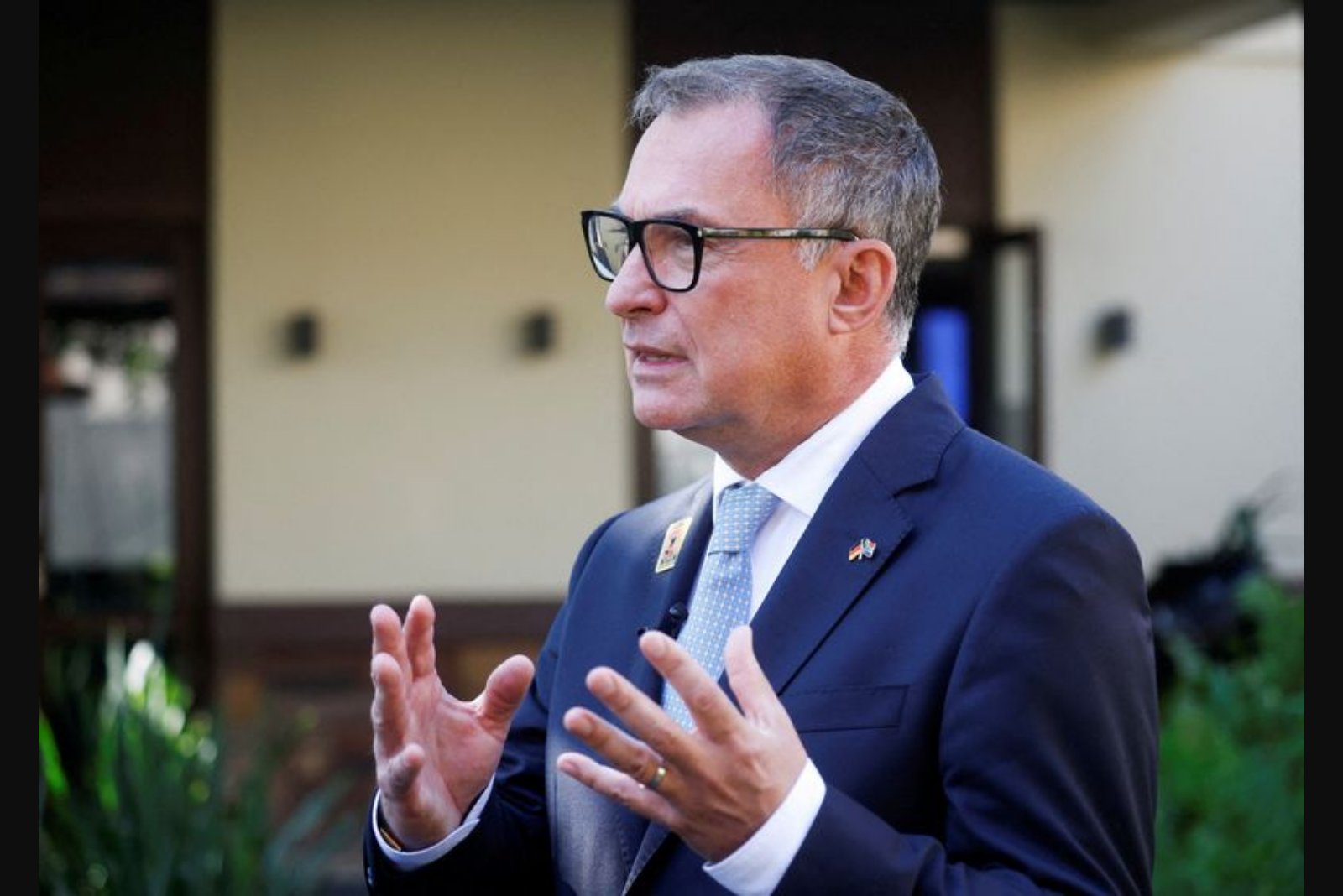
Germany’s Bundesbank president Joachim Nagel warned that the European Central Bank will move promptly if higher energy costs stemming from the Iran war feed into sustained inflation across the euro zone. While endorsing a provisional wait-and-see stance, Nagel said the recent spike in energy prices has worsened the economic outlook and made shortfalls below the ECB’s 2% inflation target less likely for now.

Key Points

  • Bundesbank president Joachim Nagel said the ECB will act decisively if higher fuel costs from the Iran war lead to sustained euro zone inflation - impacts monetary policy and interest-rate expectations.
  • Markets briefly priced in multiple ECB rate hikes before trimming bets after comments by U.S. President Donald Trump; money markets currently see a little over a 50% chance of a year-end hike to the 2% policy rate - affecting bond and currency markets.
  • While Nagel supports a "wait-and-see approach," he noted that recent energy price moves have worsened the economic outlook and reduced the likelihood of inflation undershooting the ECB’s 2% target for the near term - relevant to financials, energy, and consumer sectors.

FRANKFURT, March 11 - Joachim Nagel, the head of Germany’s Bundesbank, said the European Central Bank will respond quickly and with determination if higher fuel costs resulting from the Iran war translate into persistently higher inflation across the euro area.

Investors briefly priced in the possibility that central banks might return to rate hikes - with markets implying two ECB increases on Monday - before paring those expectations after U.S. President Donald Trump described the conflict as "very complete". Nagel said Trump’s remarks gave "cause for hope" but added that the jump in energy prices had nevertheless worsened the economic outlook and elevated inflation risks.

"We must be very vigilant," Nagel said in emailed comments. "If it becomes apparent that the current energy price increases will translate into broad consumer price inflation in the medium term, the Governing Council of the ECB will act decisively in a timely manner."

The ECB is widely expected to keep its policy rate unchanged at its meeting next week and to set out scenarios for growth and inflation if the confrontation continues. Money markets currently assign a little over a 50% chance of a year-end hike to the ECB’s 2% policy rate.

Like many of his colleagues, Nagel said he supports "a wait-and-see approach" for now, but the recent market and price developments have likely ended the debate about inflation undershooting the ECB’s 2% objective for the near term. "The discussions about falling short of our inflation target are likely to be over for the time being," he said.

At the same time, Nagel cautioned that uncertainty remains high. "At this point in time, however, it is still too early to reliably assess the medium- to long-term consequences given the volatile situation," he said, underlining the difficulty in forecasting how sustained any energy-related price pressures might be.

The ECB’s previous handling of energy-fuelled inflation after Russia’s invasion of Ukraine in 2022 - when the initial reaction treated the spike as transitory - is part of the backdrop to current sensitivity about energy-driven price moves. Since that period, inflation in the euro zone has fallen and has been hovering around 2% for over a year.


Policy makers will now monitor whether recent rises in energy costs feed through to broader consumer prices in a way that could require timely and decisive monetary tightening.

Risks

  • Energy price increases from the Iran conflict could feed into broad consumer inflation in the medium term, prompting policy tightening - risk to interest-rate-sensitive sectors such as real estate and financials.
  • Elevated uncertainty around the duration and pass-through of higher fuel costs makes it difficult to assess medium- to long-term consequences for growth and inflation - risk to economic activity and corporate profitability.
  • Market volatility in response to geopolitical developments and shifting rate expectations could disrupt bond and currency markets, affecting fixed income investors and corporations with FX exposure.

More from Economy

Markets Brace for Protracted Middle East Fighting as Energy Risks Rise Mar 11, 2026 Tariff Cut Spurs Urgent Moves and Caution Across China’s Export Hubs Mar 11, 2026 BOJ Poised to Lift Rates to 1.00% by June as Oil and FX Pressures Persist Mar 11, 2026 February CPI Seen Rebounding as Gasoline and Tariff Pass-Through Lift Prices Mar 11, 2026 Westpac Sees Two RBA Rate Rises - March Move Now Base Case Mar 10, 2026