
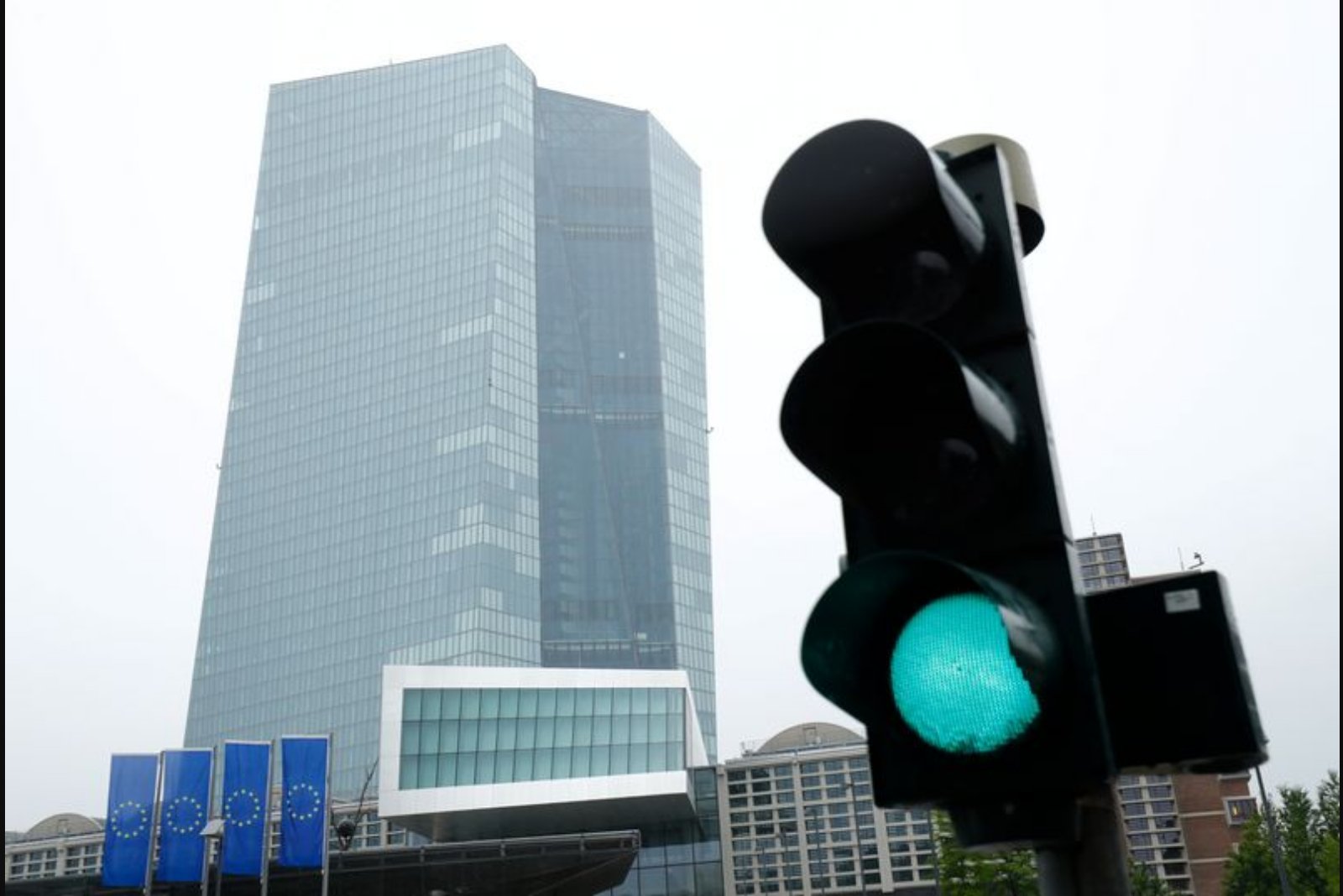
European Central Bank supervisory chief Claudia Buch has warned that geopolitical risks are being undervalued by financial markets, heightening the prospect of sharp asset price corrections and sudden sell-offs. In the ECB's annual supervision report she urged regulators not to relax bank rules even as some jurisdictions have moved toward lighter oversight.
Buch noted that the U.S. has been loosening bank rules over the past year, a trend that creates pressure on other regulators because domestic lenders elsewhere could face an uneven competitive environment if they do not follow suit. "These guardrails need to be maintained as geopolitical tensions rise," she said in the report. "Fragmentation or any weakening of standards could undermine banks' ability to withstand adverse developments."
The supervisor's comments came against a backdrop of earlier market moves. She pointed out that bank shares have fallen since the start of the U.S. and Israeli war on Iran but added that those market adjustments have so far been orderly, similar to episodes over the past year when tariffs and armed conflicts added to uncertainty.
Despite this relative orderliness, Buch warned that lenders should not be complacent. She said banks are properly capitalised and carry the necessary buffers today, but that significant risks remain. "This uncertainty is not adequately reflected in market-based indicators of financial stress, which could lead to an abrupt repricing of risk," she said.
Buch outlined how shocks might arrive and propagate quickly: elevated geopolitical tensions, stretched valuations in certain market segments, growing interconnections with non-bank financial firms, and the chance of rapid shifts in market sentiment. For these reasons the ECB has made boosting banks' resilience to geopolitical risk a central supervisory priority for the year.
As part of that priority, the ECB will subject the largest banks to stress tests in the coming months to assess their capacity to absorb potential adverse developments linked to geopolitical strains and related market shocks.
Sectors affected: Banking and broader financial markets, including non-bank financial firms due to interconnected exposures.