
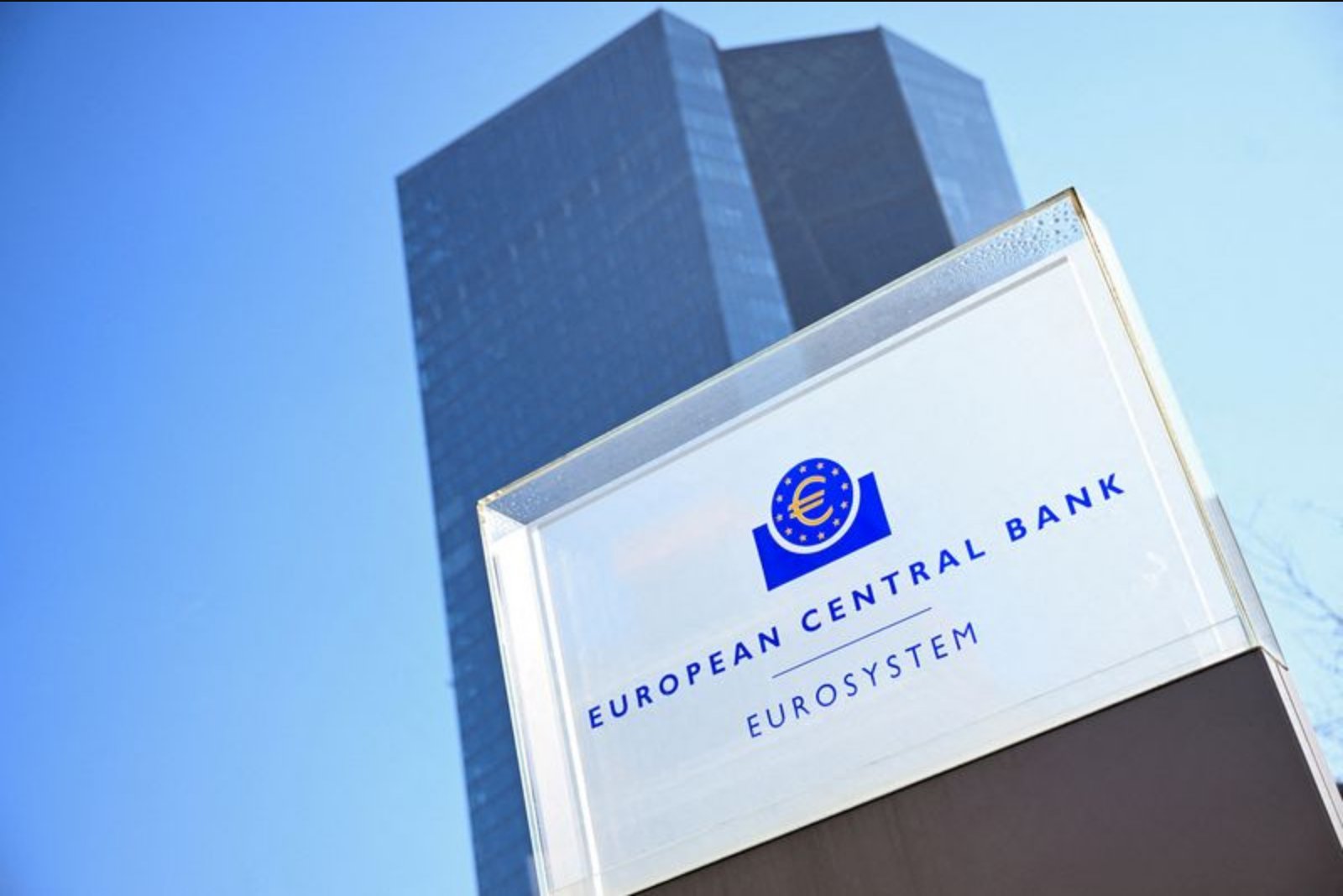
On Thursday the European Central Bank kept its key policy rate unchanged at 2% and warned that the conflict in Iran was creating fresh uncertainty for both growth and inflation prospects in the euro zone.
Market reactions were swift. Short-dated government bond yields - instruments most sensitive to expectations about future rates - rose sharply on the day. Italian yields were particularly affected, climbing by almost 12 basis points. Equity markets moved lower, with European shares down almost 3% as global markets came under renewed selling pressure owing to concerns about the Middle East situation. Currency markets saw the euro strengthen modestly, trading a third of a percent firmer at $1.1478.
The ECB's statement underscored the difficulty of navigating policy when geopolitical shocks threaten to push energy prices higher and in turn lift inflation. The central bank also signalled that it was not committing to a fixed path for rates going forward.
Market and analyst reaction
Market participants and economists offered a range of interpretations of the ECB's decision and the updated projections.
Marchel Alexandrovich, European economist at Saltmarsh Economics in London, noted: "The ECB leaves rates on hold, with the Governing Council 'not pre-committing to a particular rate path.' However, core inflation is now forecast to average 2.1% in 2028 (versus 2.0% in December). So, despite a weaker GDP growth profile, inflation is expected to remain above target for an extended period of time, which suggests that some on the Governing Council may start discussing the need for tighter policy."
Richard Carter, head of fixed interest research at Quilter Cheviot in London, highlighted the trade-offs facing policymakers: "Given the headroom available, you could conceivably see the ECB make a move to raise interest rates once or twice this year to pre-empt any inflationary spike as a result of a sustained rise in energy prices." He added: "What may be difficult is finding what is the most appropriate level of action given the sluggish economic growth still being experienced in Europe. Any inflation spike will naturally act as a brake on economic growth, so it is important the ECB does not overtighten and keeps focus on the economic outlook. This is of course very difficult with such a moving picture in the Middle East and thus the outlook for interest rates is very much up in the air from here."
Madison Faller, global investment strategist at J.P. Morgan Private Bank in London, said the energy shock is especially consequential for Europe and that the ECB has adjusted its tone accordingly: "Europe has more at stake in this energy shock, and the ECB knows it. That backdrop forced a meaningful shift in tone today. Inflation forecasts have been revised higher, growth forecasts trimmed, and a hiking bias is now being telegraphed. The ECB is not committing to a hike, but it is not pushing back on the aggressive flip in market expectations or ruling one out either."
Implications for markets
The central bank's decision and accompanying commentary have already been reflected in shorter-term interest rates and risk assets. Short-dated sovereign yields, particularly in Italy, rose sharply as investors re-priced the likelihood of future tightening should inflation receive an upward impulse from energy markets. Equities retraced as global risk sentiment weakened, while the euro appreciated modestly against the dollar.
Observers emphasised the tension the ECB must manage: a potential inflation resurgence tied to energy prices versus an economy that remains sluggish. That balance underpins the market's view that the path for rates is uncertain and sensitive to developments in the Middle East.