
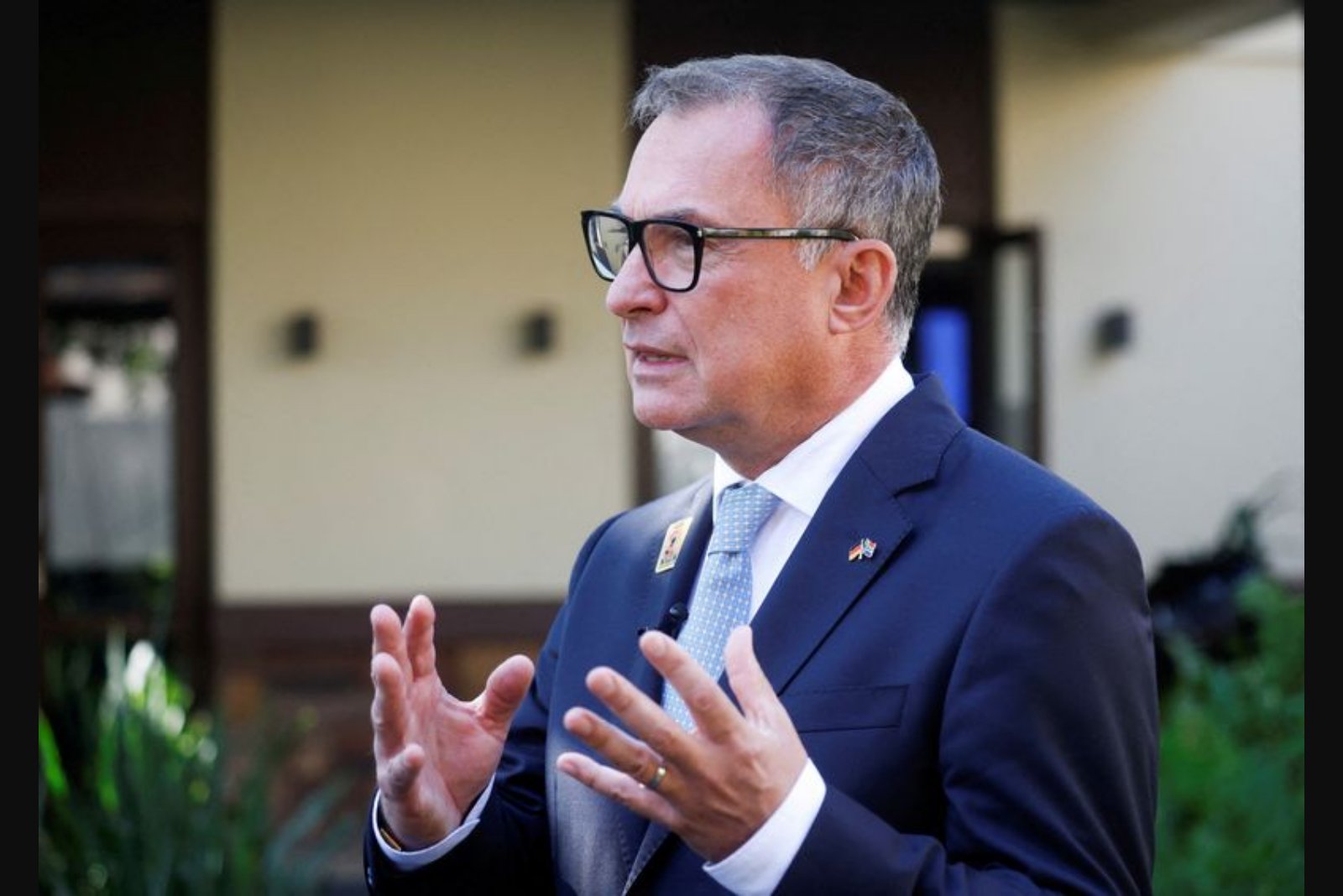
FRANKFURT - Bundesbank President Joachim Nagel said on Monday that the European Central Bank's policy rate is positioned correctly, despite a recent easing in headline inflation. The ECB left its main interest rate unchanged at 2% last week, a decision Nagel said aligns with the view that the recent dip in inflation is temporary and that inflation should return to the 2% objective.
Nagel acknowledged that headline inflation eased to 1.7% last month, a development that prompted concern among some policymakers about the possibility of inflation weakening further and compelling the euro zone central bank to respond. He said, however, that the ECB would only move policy if its medium-term inflation expectations were seen to deviate "sustainably and noticeably" from the 2% goal, and he did not see evidence for such a shift at this time.
Explaining his assessment, Nagel pointed to several supporting factors. He described the recent shortfall in inflation as "short-term and small" and said that, on a medium-term horizon, inflation is expected to be at the target level. He also said that long-term inflation expectations remained "firmly anchored." Measures of core inflation, which exclude volatile items such as energy and food, similarly bolstered his view that the current rate setting is appropriate, he added.
Nagel referenced the ECB's updated projections from December as further support for maintaining the policy rate. He noted that data published last week indicated much of the decline in January's inflation figures was attributable to lower energy costs, while services prices also showed a moderation in the pace of increase.
On the role of volatile price components, Nagel emphasized caution about overreacting to brief moves. "Small, temporary deviations - especially in volatile components such as energy prices - do not ... require a change of course if inflation expectations are firmly established," he said. He added that the same principle applies both when "the inflation target might be undershot" and when inflation risks rising too high.
Context and implications
Nagel's remarks underscore a preference among some ECB officials to look through short-term swings in headline inflation, relying on core measures and forward-looking expectations to guide policy. The comments indicate that, absent a clear and sustained shift in expectations, the current policy stance will remain in place.