
Economy March 20, 2026

ECB prepared to act on energy-driven inflation, Villeroy says

Bank of France governor signals a meeting-by-meeting approach as oil and gas costs climb across the euro area

By Leila Farooq
ECB prepared to act on energy-driven inflation, Villeroy says

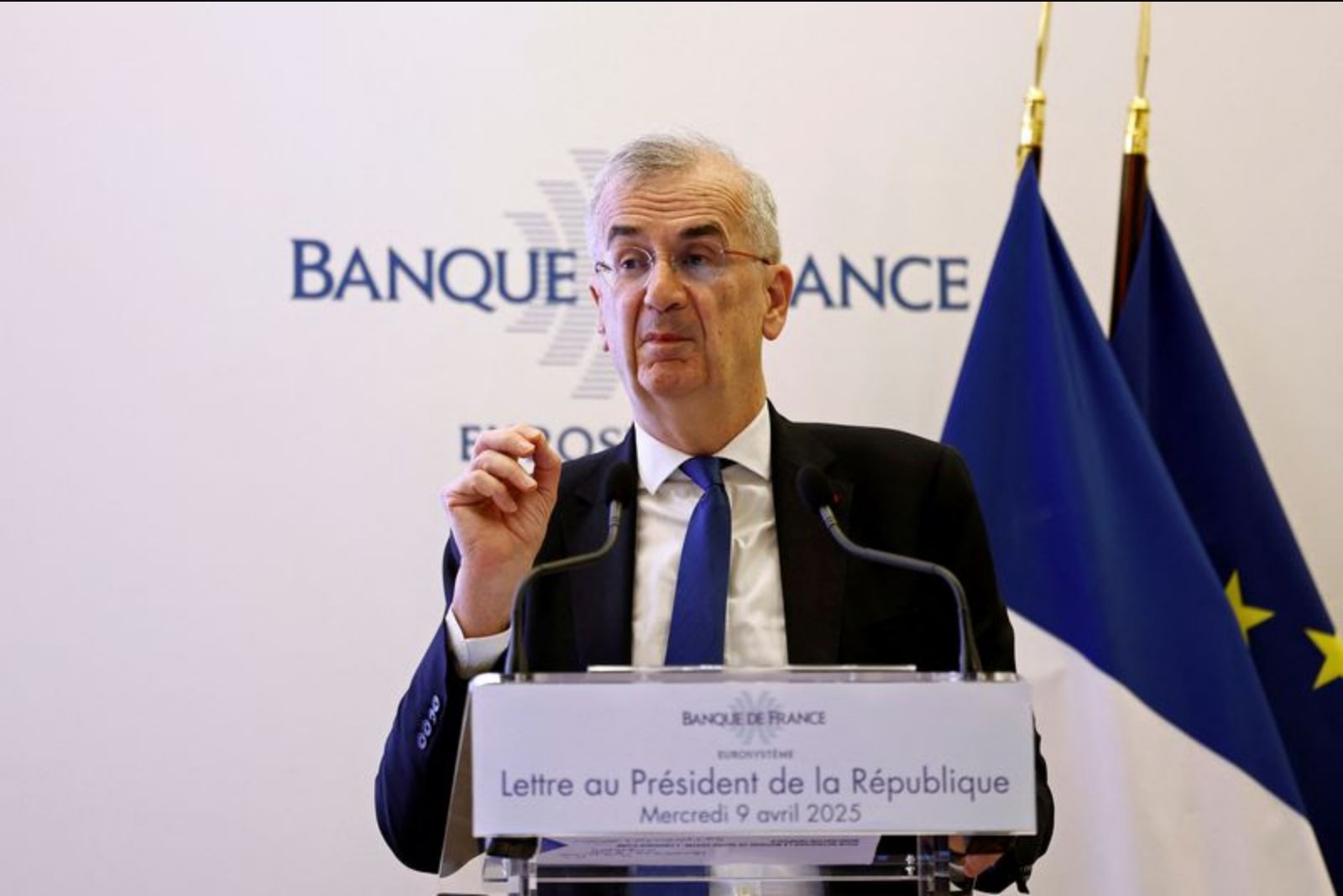
Bank of France Governor Francois Villeroy de Galhau said the European Central Bank will avoid passivity or overreaction to recent oil and gas price swings and stands ready to intervene to keep inflation anchored at 2%. He told Boursorama the ECB will decide on potential rate moves on a meeting-by-meeting basis, with a rate increase currently more probable than a cut, though a cut is not ruled out. The remarks come after the ECB left its main rate at 2% and as energy prices rise following U.S.-Israeli attacks on Iran, raising risks to consumer prices and economic activity across the 21-nation currency bloc.

Key Points

  • The ECB will not be inactive or overreact to recent oil and gas price volatility and is prepared to act to stabilise inflation at the 2% target.
  • Decisions on potential interest-rate changes will be taken meeting by meeting, with a rate increase currently more likely than a cut.
  • Rising oil and gas prices since U.S.-Israeli attacks on Iran have heightened the risk that energy costs will push up consumer prices and dampen economic activity across the 21-nation euro area, which relies heavily on imported fuel. Sectors impacted include energy, consumer prices, and overall economic growth, as well as financial markets sensitive to interest-rate expectations.

PARIS, March 20 - The European Central Bank will neither remain inactive nor overreact in response to volatility in oil and gas markets and is prepared to act to bring inflation back to its 2% objective, Francois Villeroy de Galhau, governor of the Bank of France and an ECB policymaker, said on Friday.

Speaking in an interview with the Financial News website Boursorama, Villeroy emphasised the bank's readiness to respond to developments in energy markets. "We have the eyes on the ball and the hands ready to act," he said, indicating a stance that balances vigilance with measured intervention.

Villeroy said choices on potential interest-rate moves will be taken on a meeting-by-meeting basis. He added that, at present, a rate increase is more likely than a reduction in rates, but he did not categorically exclude the possibility of a cut.

The comments follow the ECB's decision to keep its key policy rate at 2% on Thursday. Policymakers have signalled they expect to discuss further tightening in coming months amid a rise in energy costs tied to geopolitical developments.

Oil and gas prices have climbed since U.S.-Israeli attacks on Iran began, the central bank official noted. That jump in energy costs poses the risk that higher fuel prices will feed through to consumer prices and, in turn, weigh on economic activity across the euro zone, which the ECB described as a 21-nation currency bloc that relies heavily on imported fuel.


Villeroy's remarks underscore the ECB's dual concern: guarding its inflation target while avoiding abrupt policy moves that could unsettle growth. By framing decisions as meeting-specific, he signalled flexibility and a willingness to adapt to evolving data on energy prices and inflationary pressures.

How policymakers respond in upcoming meetings will depend on the trajectory of energy costs and their transmission to consumer prices and broader economic activity within the euro area. For now, the balance of risk has tilted toward the prospect of further tightening rather than easing.

Risks

  • Higher energy costs could feed into consumer inflation, reducing purchasing power - this primarily affects households and consumer-facing sectors.
  • Increased energy prices may depress economic activity across the euro area, risking weaker growth for industries reliant on stable demand and imported fuel.
  • Policy uncertainty remains because rate decisions will be determined meeting by meeting, which could create volatility in interest-rate-sensitive markets until a clear path is established.

More from Economy

Oil Retreats as U.S. Signals Plans to Ease Crude Supply Strains Mar 20, 2026 ECB’s Nagel: April Rate Rise Possible if Energy-Driven Inflation Worsens Mar 20, 2026 Escriva Urges Targeted, Time-Limited Aid as Energy Prices Rise After Attacks on Iran Mar 20, 2026 Stalled WTO Reform Could Push Members Toward Alternative Trade Arrangements Mar 20, 2026 Energy-Driven Hawkish Shift in Rates Ends Dollar Rally and Sends Yields Higher Mar 20, 2026