
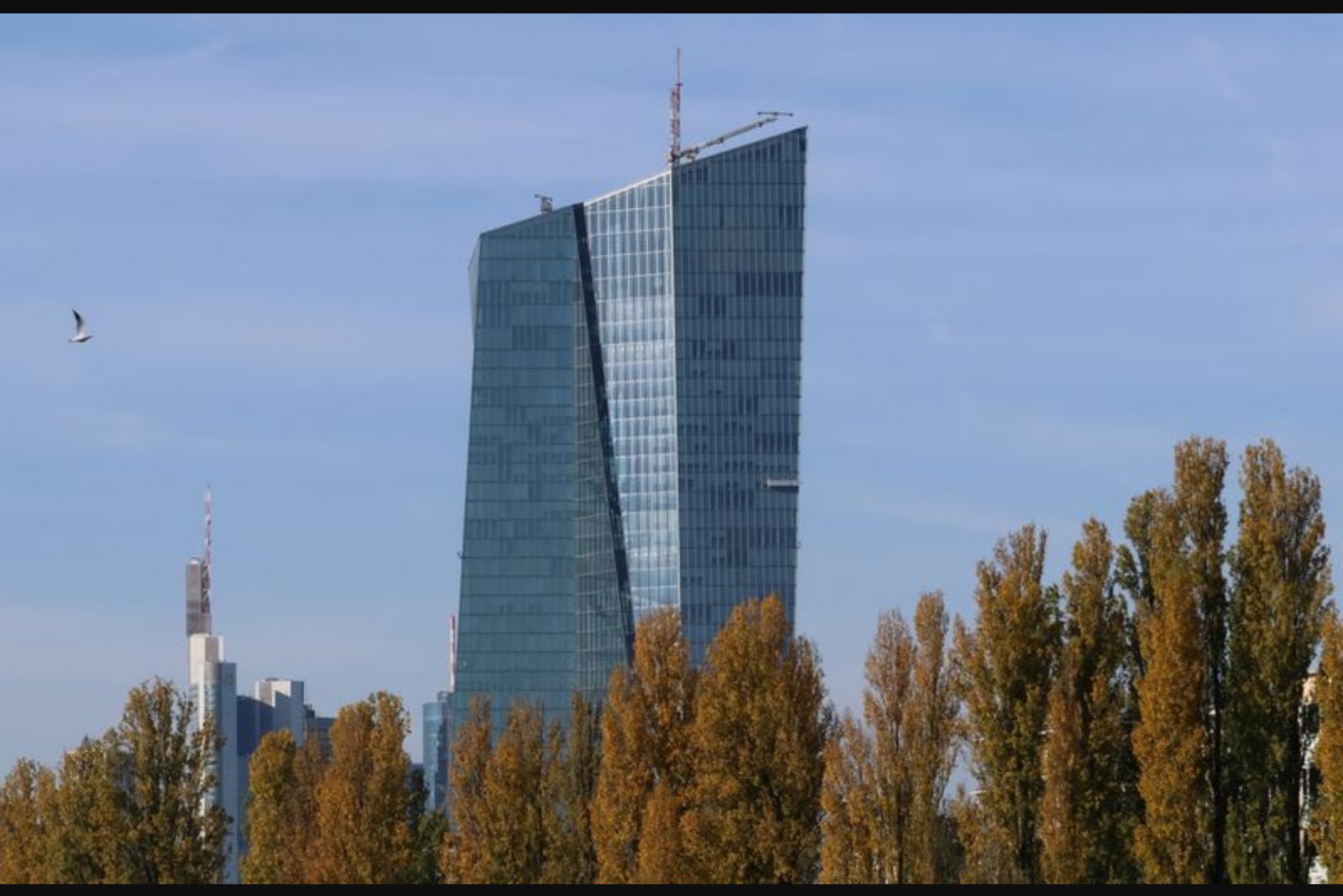
The European Central Bank is approaching recent oil and energy market shocks with memory of a costly policy lag. Officials and economists say the bank is unlikely to describe any Iran war-induced rise in inflation as merely "transitory" the way some in the institution did in 2022, when it delayed tightening until July and then had to raise rates at an unusually rapid pace as inflation surged past 10%.
That episode - in which inflation climbed to roughly five times the ECB’s 2% target and reached its highest level since the currency union was formed - has left a clear imprint on policy thinking. Officials now stress that standard models may be unreliable in the face of exceptional supply shocks and that judgment must be informed by the lessons of past experience.
Lessons from the past
Policymakers describe a heightened reluctance to label energy-driven price spikes as temporary. One official speaking on condition of anonymity said, "We must at all cost avoid describing inflation as 'transitory'." The same source framed the current policy outlook as being shaped by geopolitical developments, saying, "The ECB policy outlook is in the hands of military generals now," referring to the way global price trajectories could hinge on how the conflict tied to U.S. and Israeli strikes on Iran unfolds.
Market moves this week have underscored those concerns: oil prices rose by about 20%, and analysts expect fuel retailers to pass higher crude costs to consumers quickly, producing an immediate feedback mechanism into headline inflation. Compounding the supply concern, Qatar's suspension of LNG shipments alters the balance of available cargoes, potentially forcing European buyers to compete with Asian markets for limited supplies - a situation made more acute by Europe’s efforts to reduce reliance on Russian energy.
Why this episode differs from 2022 - and why some risks remain similar
Officials note several important differences between today’s environment and the conditions that prevailed in 2022. Fiscal and monetary settings are tighter now, and there is no wave of post-pandemic consumer spending that amplified supply bottlenecks then. The conflict could also conclude swiftly, allowing energy prices to retreat.
Still, domestic inflation remains elevated. Headline inflation had only recently dipped below the ECB’s 2% objective thanks to an earlier fall in oil prices, rather than because underlying price pressures had been fully resolved. Rapid inflation is a recent memory for firms and households, and that experience may make domestic actors quicker to adjust wages and prices in response to renewed energy cost increases. Global inflation was already elevated before the latest events, and minutes of the U.S. Federal Reserve’s January meeting showed several Fed officials considered the risk of inflation running above target to be meaningful and were open to further rate increases.
Nordea economists Tuuli Koivu and Anders Svendsen summarized the concern succinctly: with the 2022 episode still fresh in minds, the risk is that inflation expectations are less firmly anchored, prompting the ECB to avoid repeating the mistake of acting too late.
The policy dilemma
Rate increases affect prices with a lag of roughly 12 to 18 months, so the ECB must judge whether a recent spike in energy costs will be persistent before moving. Higher energy prices also tend to slow growth, which exerts downward pressure on inflation. That growth-versus-inflation trade-off creates a quandary for officials: waiting risks entrenching inflation expectations, while acting too quickly could unnecessarily suppress economic activity.
Critics within policymaking circles have acknowledged that in 2022 the bank was too cautious. One anonymous policymaker reflected that a repeat of the growth-versus-inflation debate would be confronted with the prior lesson in mind: the bank would need to act faster if it judged inflationary forces to be durable.
Nonetheless, officials speaking publicly counsel restraint while the situation remains volatile. Greece's central bank governor, Yannis Stournaras, has urged flexibility in response to unfolding developments, while Latvia’s central bank chief, Martins Kazaks, has advised that the ECB should hold off until the war's impact becomes clearer. The ECB’s own projections currently show inflation falling below target this year and next, which offers some room to tolerate a modest rise without immediate policy tightening. That suggests action at the next policy meeting on March 19 is unlikely, even if the bank adjusts its previous language that policy was in a "good place".
Market reaction and institutional credibility
Markets have already begun to price the increased likelihood of rate action, assigning a roughly 20-30% chance of a hike this year on the assumption that the ECB will be unwilling to repeat a delayed response. Financial institutions and strategists argue that Europe’s recent LNG supply issues have made the ECB more sensitive to supply shocks and their second-round effects, and that credibility concerns play a central role in shaping this sensitivity. Nomura commented that the bank’s amplified responsiveness is partly rooted in worries that it was behind the curve during the European gas crisis.
The combination of heightened market expectations, recent energy market developments and the memory of rapid inflation has left the ECB balancing a narrow path - one that aims to prevent entrenched inflationary pressures without unnecessarily damaging growth.
Implications for affected sectors
- Energy - higher oil and LNG prices directly raise costs for consumers and industry and alter trade dynamics for import-dependent Europe.
- Consumers - rapid pass-through from fuel price increases can lift headline inflation quickly, hitting real incomes.
- Financial markets - bond and futures markets are already recalibrating the probability of ECB action, reflecting concerns about central bank credibility and policy timing.
As policymakers weigh the next steps, they are operating with heightened awareness of how geopolitical shocks can propagate through energy markets and into price-setting behavior. The choice facing the ECB is not simple: it must determine whether the current shock is fleeting or a trigger for broader inflationary dynamics, and it must act in time if the latter proves true, while avoiding premature tightening if the shock abates.