
Key message
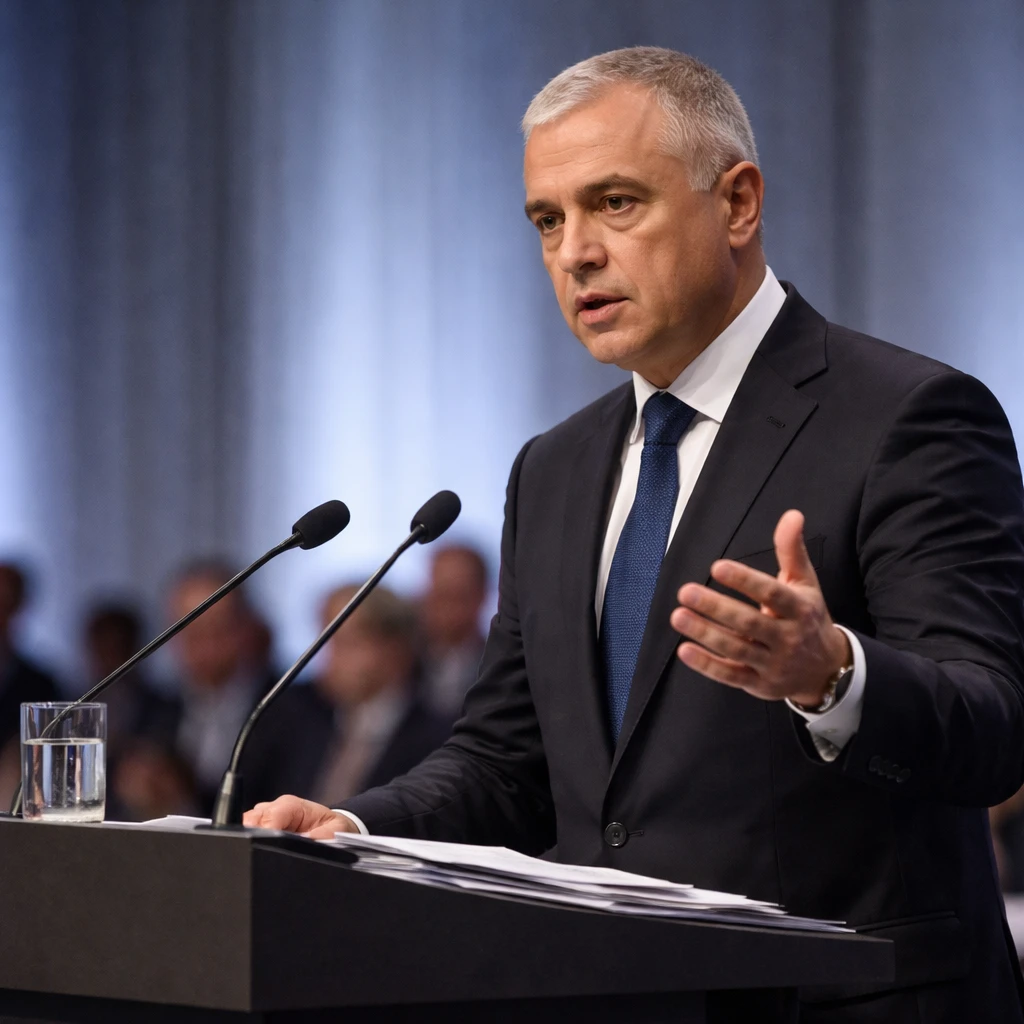
European Central Bank Governing Council member Dimitar Radev told an audience in Reykjavik that the central bank should avoid excessive delay in responding to the economic repercussions of the Iran war. He warned that the potential cost of moving too late could outweigh the cost of taking earlier action.
Context and stance
Radev, who serves as the head of Bulgaria's central bank and is a member of the ECB's Governing Council, framed the current policy choice as asymmetric. He said the tradeoff is not balanced at the moment because there is a risk that inflation expectations could become less firmly anchored, raising the stakes of delayed intervention.
Policy debate within the ECB
Policymakers appear to be converging on the prospect of a first interest rate increase since 2023 following a surge in inflation tied to the Middle East conflict that pushed inflation well above the ECB's 2% target. Within the Governing Council there are differing views: some officials favor waiting to see how spillover effects unfold before taking action, while others have voiced concern about the potential impact of policy moves on economic growth.
Call for coordinated response
Radev stressed that monetary policy should not be the sole instrument used to manage the fallout. He urged national governments to support the ECB's efforts through targeted spending measures and economic reforms. He specifically highlighted fiscal policy, investment, improvements in energy efficiency and structural reforms as important contributors to economic resilience in the face of repeated supply shocks.
Implications
The remarks underline the tension facing policymakers between the need to address inflationary pressures linked to the Middle East conflict and the desire to avoid undermining economic growth. Radev's comments call for a coordinated mix of monetary and fiscal actions, together with investment and structural measures, to bolster the economy against continued supply disturbances.