
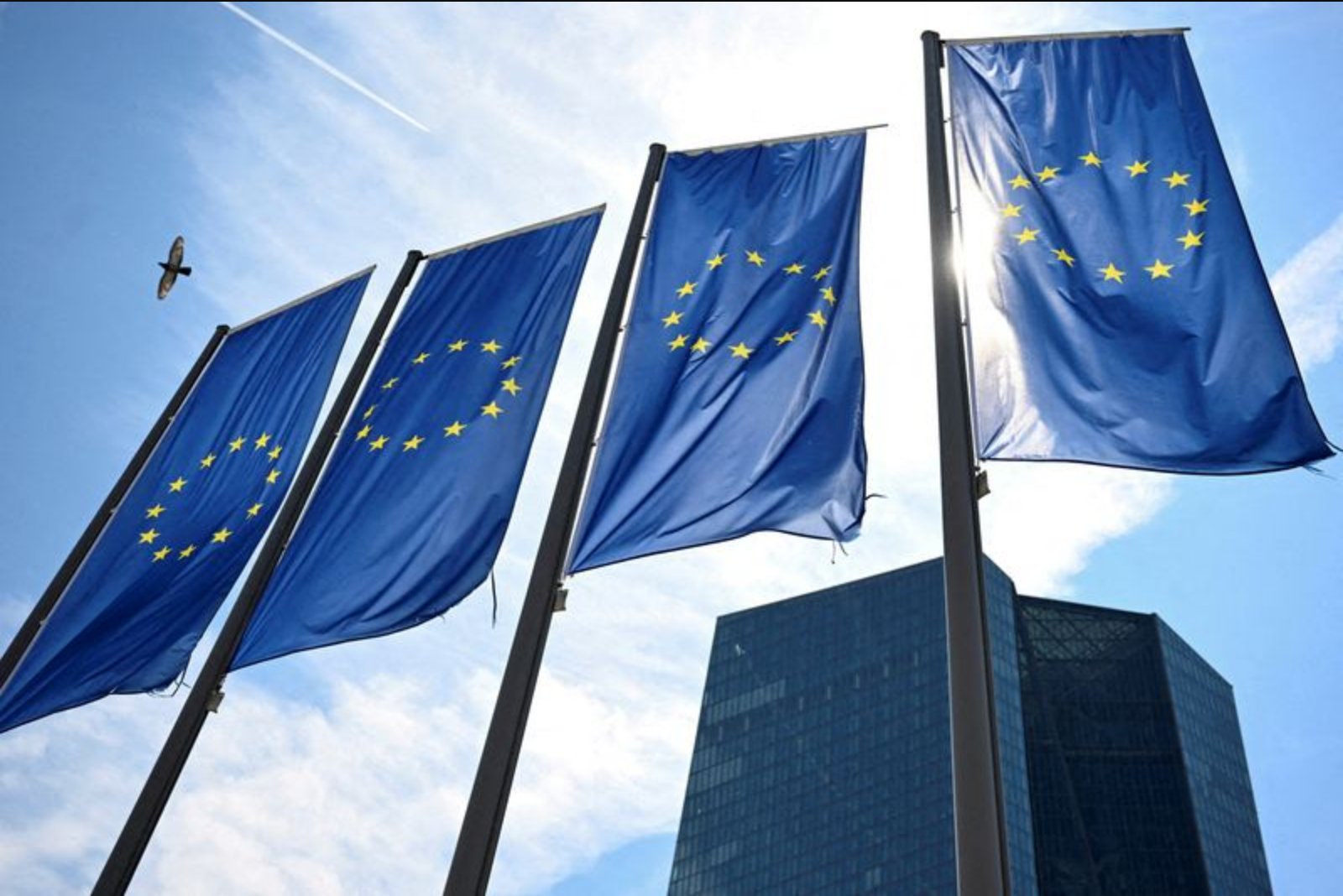
FRANKFURT, March 19 - The European Central Bank kept its key interest rates unchanged on Thursday, saying policymakers were closely watching the inflationary and growth pressures stemming from a sharp rise in energy prices since the U.S.-Israeli war on Iran began on February 28. While no policy move was taken at the meeting, the central bank signalled a readiness to respond if the conflict and higher energy costs push inflation materially above its target.
The ECB highlighted the direct link between the surge in oil prices and near-term upward pressure on consumer prices, saying in its statement that "(The war) will have a material impact on near-term inflation through higher energy prices." The institution added that the medium-term consequences hinge on the intensity and duration of the conflict and on how changes in energy costs transmit to consumer prices and broader economic activity.
Officials warned that a prolonged disruption to oil and gas supplies would likely leave inflation above, and growth below, the baseline projections. The bank underlined the Governing Council's readiness to act, saying, "The Governing Council stands ready to adjust all of its instruments within its mandate."
Markets have already revised their expectations for monetary policy in response to the energy-driven price moves. Financial market pricing now assumes more than two increases in the ECB's 2% deposit rate this year, reflecting investor concern that policymakers who were criticised for delayed tightening during the 2021-2022 inflation run-up will move faster this time if needed.
The ECB itself published a baseline projection that expects inflation of 2.6% this year, declining to 2.0% next year and edging to 2.1% in 2028. At the same time, the bank acknowledged upside risks to those projections if high energy prices persist and said it would present alternative scenarios as part of a separate analysis due at 1445 GMT.
Market indicators are currently pricing inflation to rise to the vicinity of 3.7% in the year ahead, with a slow return to the 2% target thereafter. The ECB noted the volatile nature of such indicators and emphasised their susceptibility to rapid change as the geopolitical situation evolves.
Central banks often treat energy spikes as temporary and allow higher prices to work through to lower demand and slimmer profit margins, which can slow growth and relieve inflationary pressures. However, the ECB recalled the risks of underestimating such shocks. It referenced the situation four years ago when Russia's invasion of Ukraine pushed oil and gas prices sharply higher, and inflation went on to reach double-digit levels, ultimately forcing the ECB to pursue an unusually rapid sequence of rate increases.
ECB guidance ahead of the bank's more detailed communications focused attention on the day’s schedule: President Christine Lagarde's press conference at 1345 GMT where investors sought clarity on the triggers for potential policy action, followed by the publication of the bank's expanded projections and scenario analysis at 1445 GMT.
The central message from the meeting was one of vigilance and data-dependence. The Governing Council said it would monitor developments closely and use its data-dependent approach to set monetary policy as conditions warrant. For now, rates remain unchanged, but the door is open to adjustments if energy-driven inflation risks do not abate.