
Economy March 19, 2026

ECB Governing Council Member Stournaras Urges Joint EU Debt Issuance After Middle East Shock

Greek central bank chief says the conflict is weighing on Europe’s economy and should accelerate institutional integration, including common borrowing for defence and green projects

By Jordan Park
ECB Governing Council Member Stournaras Urges Joint EU Debt Issuance After Middle East Shock

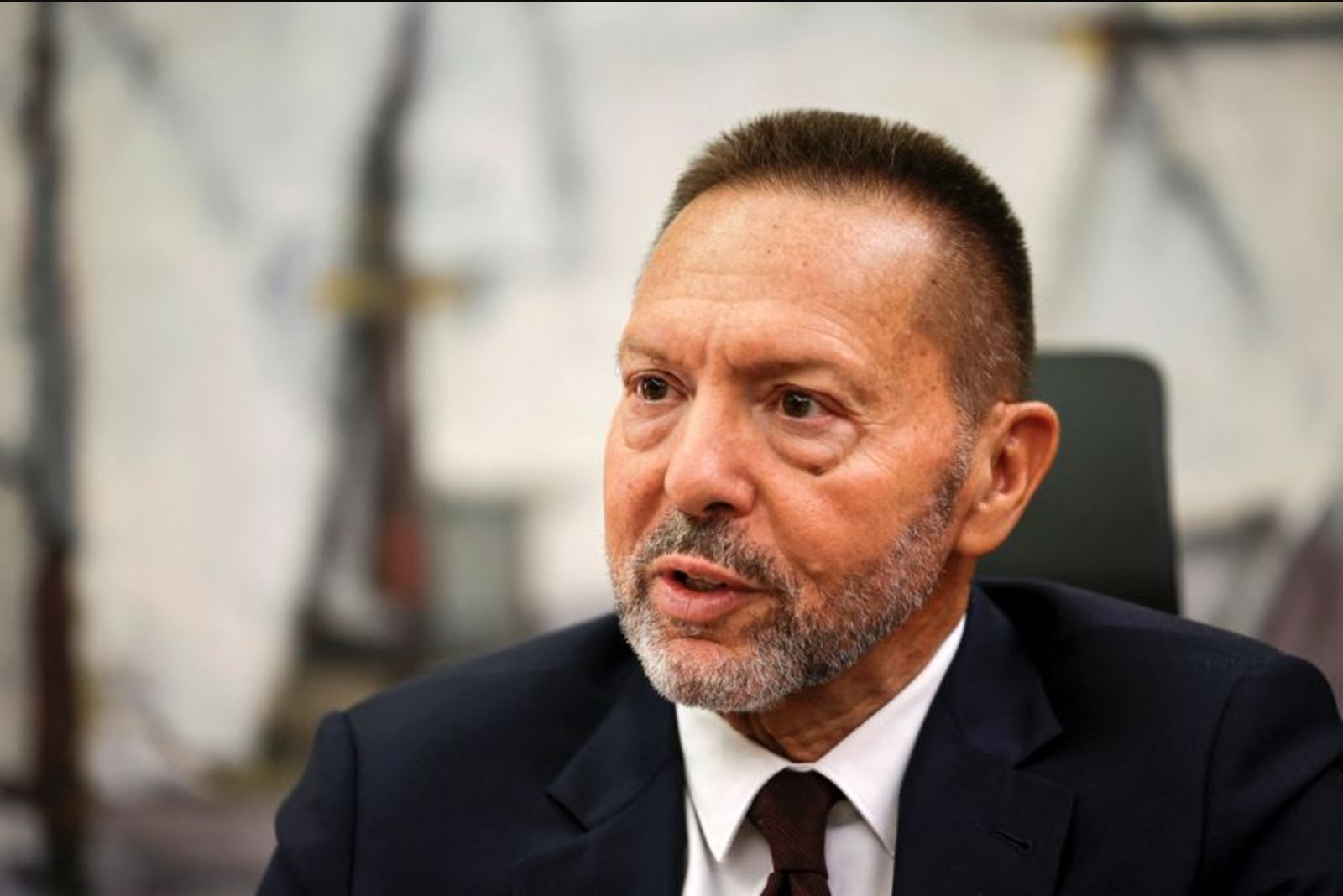
Yannis Stournaras, governor of the Bank of Greece and a member of the European Central Bank’s Governing Council, said the Middle East war is acting as an economic drag on Europe and should prompt deeper integration. He argued the bloc needs institutional change, notably joint debt issuance to reduce financing costs and to collectively fund high-priority projects such as defence, green energy and strategic investments. Stournaras also noted that prior efforts to forge tighter fiscal and capital ties have stalled because of opposition from a minority of member states.

Key Points

  • The Middle East war is described by Stournaras as an economic drag on Europe, prompting calls for faster institutional integration - sectors impacted include defence, energy, and strategic investment.
  • Stournaras called for the EU to issue joint debt to lower borrowing costs and to fund common European priorities such as defence and green energy - this would affect sovereign financing and capital markets.
  • Past integration efforts, including proposals for a banking union and a capital markets union, have stalled because of opposition from a small number of member states, creating uncertainty for financial sector reform.

Yannis Stournaras, governor of the Bank of Greece and a member of the European Central Bank's Governing Council, warned that the ongoing war in the Middle East is exerting a damaging economic effect on Europe and should be treated as a catalyst for closer integration across the bloc.

Speaking in Frankfurt, Stournaras said recent geopolitical events amount to repeated warnings for European policymakers that the Union's institutional framework requires reform. He called for measures that would strengthen the EU's ability to absorb and respond to external shocks.

"Within a period of a few months, there have been more than one wake-up calls to European policy makers that institutional changes are imperative," Stournaras said.

Central to his recommendations is the introduction of joint borrowing by the EU. Stournaras argued that issuing common debt would lower financing costs for the bloc as a whole and create a mechanism to fund projects that serve collective European interests.

He specified the kinds of expenditures he believes are appropriate for joint financing, naming defence, green energy and strategic investment as areas of high importance suitable for well-defined, common European purposes.

"Our objective should be to issue joint debt to pursue well-defined common European purposes of high importance, such as enhancing defence, green energy, and strategic investment," he said.

Stournaras also touched on the longer-running debate inside the EU over deeper integration. He noted that initiatives such as creating a banking union or a capital markets union have been discussed for years, but that meaningful progress has been thwarted because a small number of member states have opposed such steps.

The central message from Stournaras was that recent geopolitical turmoil - which he characterized as having tangible economic costs for Europe - reinforces the case for institutional reform and collective financing tools. He framed joint debt issuance as a tool to reduce borrowing costs and to enable coordinated investment on matters that affect the bloc collectively.


Context limitations: The comments reflect Stournaras's assessment that the Middle East conflict is a drag on Europe's economy and his view that institutional changes, including joint debt issuance, are necessary. The remarks reiterate previously debated integration measures and the impediment posed by opposition from some member states; they do not specify legislative steps, timelines, or detailed design of proposed joint borrowing instruments.

Risks

  • Political resistance within the EU - opposition from a minority of member states has previously blocked initiatives like banking and capital markets union, risking further delay to joint debt issuance and integration (impacts banking and capital markets).
  • Ongoing geopolitical conflict - the Middle East war is cited as an economic drag on Europe, creating near-term headwinds for growth and investment across sectors including defence and energy.
  • Unspecified implementation details - while joint debt issuance is proposed, the absence of concrete legislative steps or timelines creates uncertainty around how and when such measures could be adopted (impacts sovereign financing and strategic investment planning).

More from Economy

U.S. Defense Seeks Over $200 Billion in Additional Funding for Iran Conflict Mar 19, 2026 Congress Questions $200 Billion Pentagon Request to Fund Iran Campaign Mar 19, 2026 Markets Stabilize After Netanyahu Says Iran's Military Production Has Been Hit Mar 19, 2026 Bezos Exploring $100 Billion Vehicle to Modernize Manufacturers with AI Mar 19, 2026 Markets Jolt as Iran Conflict Pressures Energy Supplies and Rate Expectations Mar 19, 2026