
Economy March 3, 2026

ECB economist warns prolonged Iran conflict could lift euro zone inflation and dent growth

Philip Lane says extended Middle East hostilities that push energy costs higher would lift near-term inflation and weigh on output, with effects depending on conflict breadth and duration

By Jordan Park
ECB economist warns prolonged Iran conflict could lift euro zone inflation and dent growth

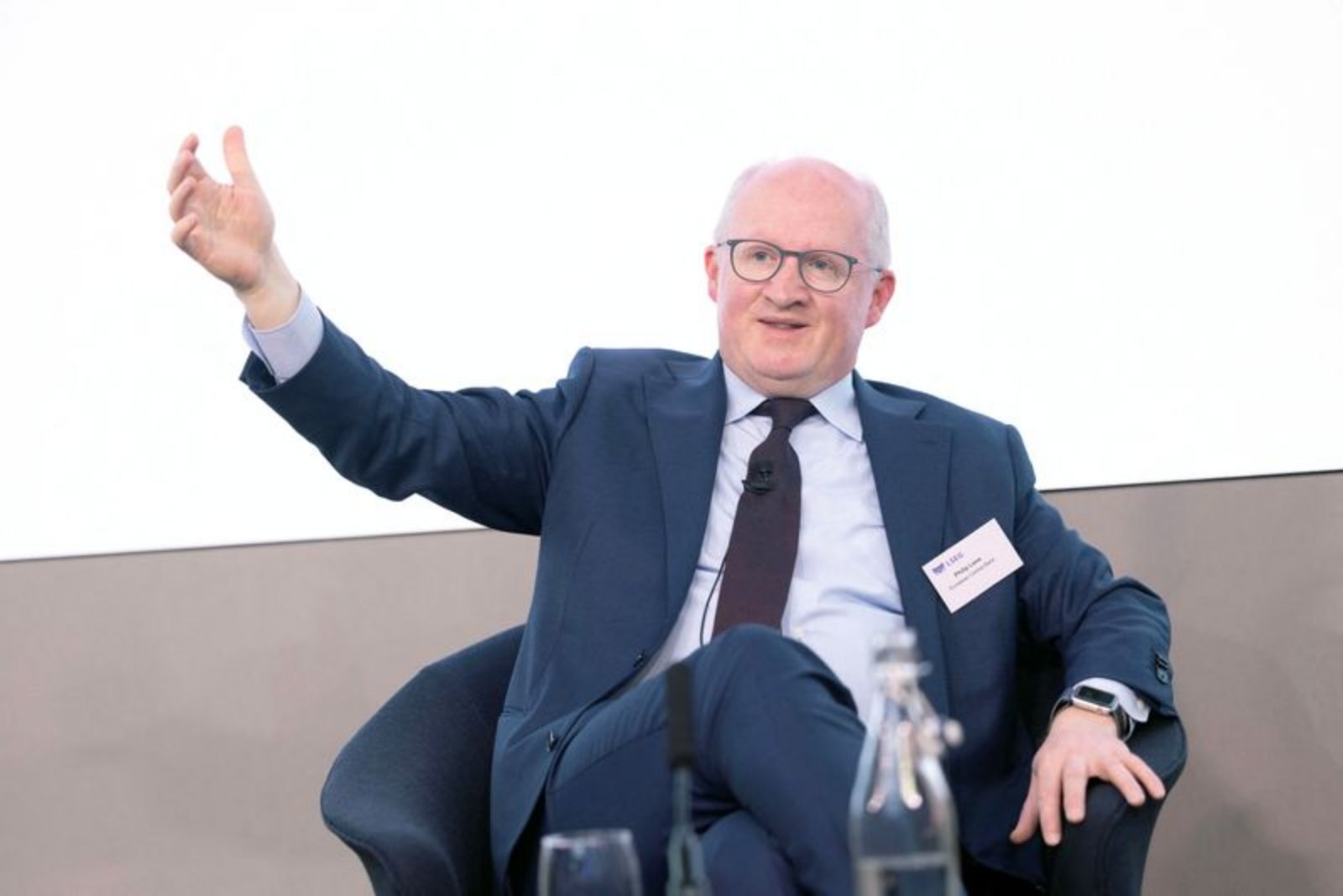
European Central Bank Chief Economist Philip Lane cautioned that an extended war in the Middle East could drive a significant rise in euro zone inflation while suppressing economic growth. Lane said higher energy prices from sustained regional conflict would exert upward pressure on inflation in the near term and harm activity, and the ECB is monitoring the situation. Earlier ECB sensitivity work pointed to a substantial energy-driven inflation spike and a sharp drop in output if energy supplies from the region were persistently disrupted; a December ECB analysis estimated a comparable permanent oil-price shock could raise inflation by 0.5 percentage point and shave 0.1 percentage point off growth. At present, euro zone inflation sits at 1.7%, below the ECB's 2% target, and market-based longer-term inflation expectations remain little changed.

Key Points

  • A prolonged Middle East conflict that raises energy prices would put upward pressure on euro zone inflation in the near term and hurt economic activity - sectors most directly impacted include energy and broad consumer-facing industries.
  • ECB sensitivity analyses indicate that a persistent drop in regional energy supplies could cause a substantial spike in energy-driven inflation and a sharp decline in output.
  • A December ECB analysis suggests a permanent oil-price spike of the observed magnitude could increase inflation by 0.5 percentage point and reduce growth by 0.1 percentage point; current euro zone inflation is 1.7%, below the ECB's 2% target.

March 3 - European Central Bank Chief Economist Philip Lane warned that a protracted conflict in the Middle East could trigger a notable rise in euro zone inflation while dampening economic activity.

Lane discussed the risks in an interview published on Tuesday, saying that a widening confrontation involving the United States and Israel and sustained hostilities would tend to lift energy costs and, in turn, push consumer prices higher in the near term. He pointed to a recent escalation in which Israel attacked Lebanon and Iran continued attacks on Gulf states - developments that coincided with oil prices climbing by more than 10%.

"Directionally, a jump in energy prices puts upward pressure on inflation, especially in the near-term, and such a conflict would be negative for economic activity," Lane said. He added: "The scale of the impact and the implications for medium-term inflation depend on the breadth and duration of the conflict," and stressed that the ECB would be monitoring developments closely.

Lane referenced prior sensitivity analyses conducted by the ECB which found that a war of this character - notably one that produced a persistent fall in energy supplies from the region - would generate a "substantial spike" in energy-driven inflation alongside a "sharp drop" in output. Separately, an ECB analysis from December indicated that a permanent oil-price increase of the magnitude recently seen could raise inflation by 0.5 percentage point and reduce growth by 0.1 percentage point.

Those estimates intersect with the current policy backdrop. Euro zone inflation is running at 1.7%, below the ECB's 2% target. That gap implies that a modest one-time uptick in price growth would be unlikely to prompt immediate policy tightening, particularly because monetary policy operates with long lags and is not well-suited to counteracting short-lived swings in prices.

The ECB generally looks through energy-driven volatility in headline inflation so long as such moves do not alter longer-term inflation expectations or feed into underlying inflation through second-round effects. Lane noted that, for now, market-based measures of longer-term inflation expectations have changed little and market participants continue to anticipate no alteration to the ECB's 2% deposit rate during the year.


Context and implications

The central message from Lane was twofold: immediate energy-price shocks from a prolonged regional war would lift headline inflation in the near term and also carry downside risk for output, while the magnitude and persistence of those effects hinge on how broadly and how long the conflict endures. The ECB's historical sensitivity work provides quantitative illustrations of those transmission channels, though current inflation remains below target and markets are not pricing additional tightening at this stage.

Risks

  • Sustained disruptions to energy supplies from the Middle East could sharply raise energy costs, producing significant near-term inflationary pressure and weighing on growth - this primarily affects the energy sector and industries sensitive to input costs.
  • If energy-driven volatility seeps into broader price-setting behavior (second-round effects), underlying inflation could rise and complicate the ECB's policy response - financial markets and consumer-sensitive sectors would be at risk.
  • Persistent geopolitical escalation could broaden the economic drag beyond energy markets, producing a sharper drop in output than currently expected - economic activity across multiple sectors could suffer.

More from Economy

Middle East shock raises likelihood BOJ will delay March rate increase, sources say Mar 3, 2026 Trump Vow to Do 'Whatever It Takes' Intensifies Market Turmoil; Oil Gains Mar 3, 2026 China Set to Accept Slower Growth, Emphasize Modest Rebalancing and Tech Upgrades Mar 2, 2026 Policy Paths Beijing Could Use to Lift Consumption and the Trade-offs They Entail Mar 2, 2026 China’s 2026 Economic Targets Set to Be Revealed as Parliament Convenes Mar 2, 2026