
A modest fall in crude prices was enough to prompt a sharp return to risk-taking in early trading across Asia, with Japan's Nikkei leaping more than 2% and South Korea surging almost 4%. Traders appeared to take the oil pullback as a sign that crude might settle near $100 a barrel and that markets can tolerate that level - provided households scale back discretionary travel and dining.
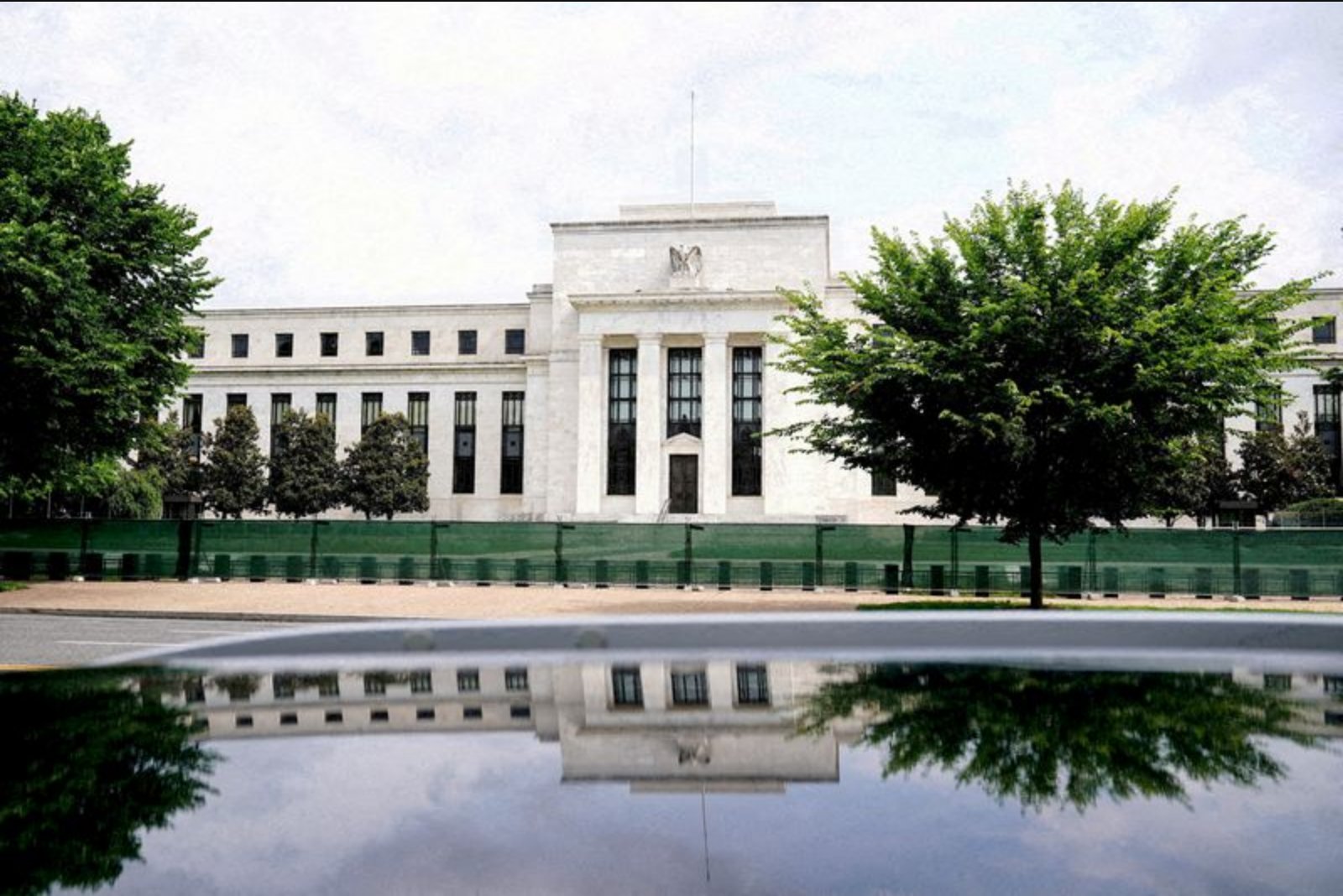
That cautious optimism faces a key test this week when the Federal Reserve announces its policy decision and releases updated interest-rate projections, commonly known as the "dot plot." While the Federal Open Market Committee is widely expected to hold the target range for the federal funds rate at 3.5% to 3.75%, the market focus is on how officials view the impact of higher global oil prices.
The central questions are straightforward and consequential: are rising oil costs primarily a risk to underlying inflation, a drag on growth, or a combination that could push the economy toward stagflation? Those answers will influence whether the median of the Fed's dot plot continues to show rate cuts this year and next, or removes them entirely. Current market assumptions lean toward cuts remaining in place, but market participants acknowledge the decision could be close.
A more hawkish tilt in the dot plot would likely prompt a sharp re-evaluation across asset classes. Equities and bonds could face a sudden correction, and the U.S. dollar might strengthen further. Fed Chair Jerome Powell will outline the reasoning behind the decision at his post-meeting press conference and could be asked about his plans regarding remaining on the Board of Governors after he steps down as chair in May.
North of the border, the Bank of Canada meets later on Wednesday with no change in policy anticipated. Headline inflation slowed to 1.8% in February and the labour market has softened, conditions that would ordinarily tilt commentary toward prospective easing. Yet market pricing remains skewed in the other direction, with traders fully pricing in one rate hike by year-end.
In Asia, oil prices eased after Baghdad and Kurdish authorities reached an accord to resume oil exports through Turkey's Ceyhan port. Brent futures fell 2.4% to $100.97 a barrel on the report. That move underpinned the broader risk rally: S&P 500 futures rose 0.4% and Nasdaq futures gained 0.5% as market participants awaited the Fed's decision and key corporate earnings.
Chipmaker Micron Technology is due to report, and investors are hoping for a standout result. Meanwhile, reports that Nvidia sought to resume shipments to China lent support to sentiment around artificial intelligence-related equities. In Europe, EUROSTOXX 50 futures advanced 0.5% in early trade.
Several events and data releases are positioned to influence markets on Wednesday, including the Federal Reserve policy meeting, U.S. reports on producer prices and durable goods orders, the Bank of Canada meeting, and Micron Technology's earnings announcement.
There is also promotional material in the market narrative asking whether Micron is a buying opportunity, noting that an AI-driven stock selection tool evaluates MU against thousands of companies using more than 100 financial metrics. The promotional copy highlights prior winners identified by the tool, but that content is separate from the macro developments driving markets into the Fed decision.
Key developments to watch:
- Federal Reserve policy meeting and dot plot update
- U.S. PPI and durable goods data
- Bank of Canada policy meeting
- Micron Technology earnings