
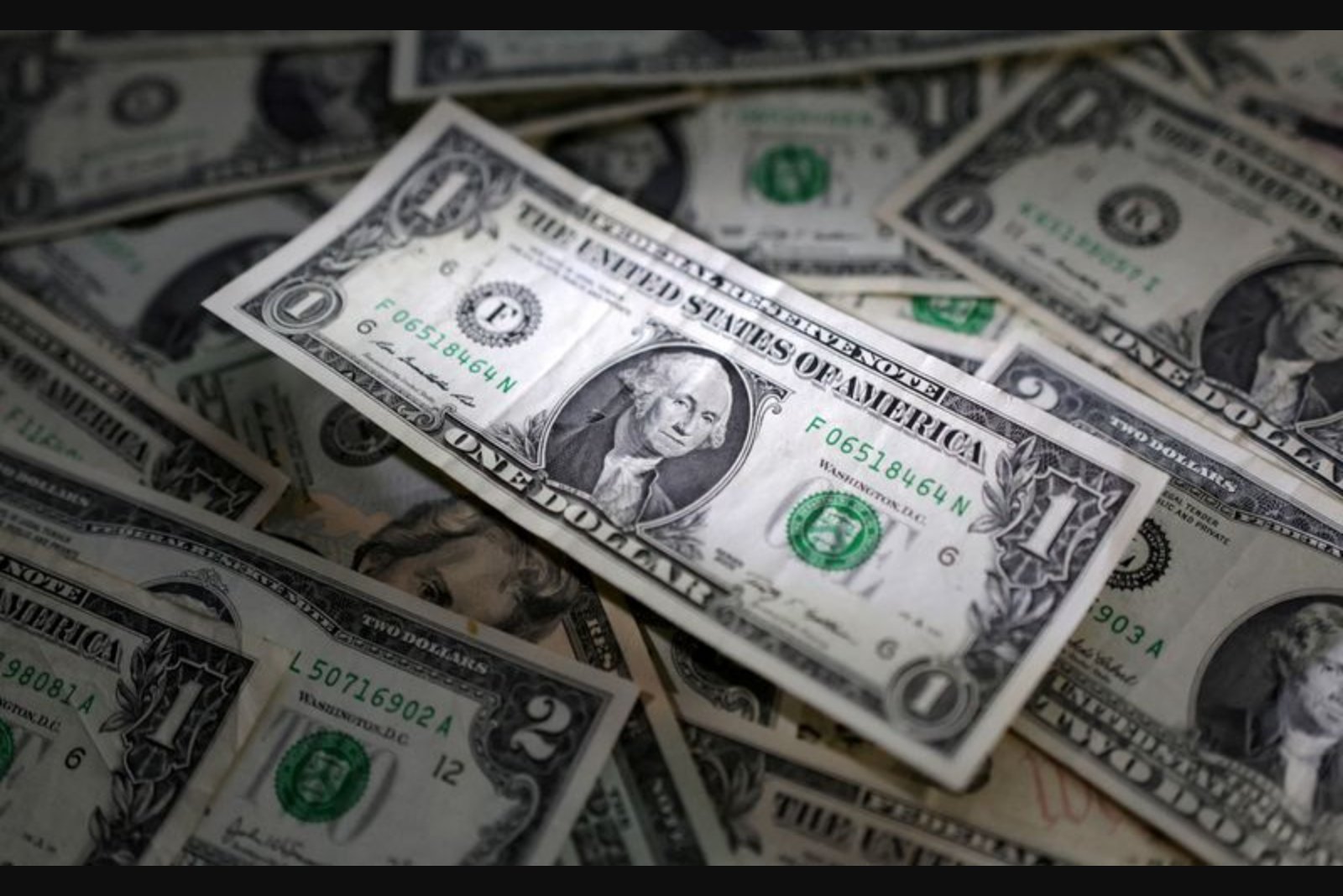
Currency markets were subdued on Tuesday as the U.S. dollar slid from recent levels ahead of a packed U.S. economic schedule that market participants say will be pivotal for policy expectations. The Japanese yen, by contrast, kept most of its overnight improvement following a strong electoral result for Prime Minister Sanae Takaichi.
Sterling was steady in early Asian trading after a turbulent session on Monday that reflected investor concern over the political strain on Prime Minister Keir Starmer and growing bets of additional rate cuts in the U.K. It last changed hands at $1.3682, having climbed 0.6% in the previous session.
The yen stood at 155.85 per U.S. dollar, preserving gains after it firmed 0.8% overnight. That move came after verbal interventions from authorities on Monday, which helped bolster the currency following an immediate weakening in the wake of Takaichi's victory. Analysts cautioned that the yen's recent resilience may be temporary as attention shifts to the new administration's fiscal stance.
Carol Kong, a currency strategist at Commonwealth Bank of Australia, argued that wider fiscal loosening under a more assertive Takaichi administration would likely see dollar-yen resume an upward trajectory. "With fiscal policy set to loosen further under a bolder Takaichi administration, I think dollar-yen will ultimately resume strengthening, and we continue to forecast dollar-yen to increase to 164 by year-end," she said.
Market strategists also noted that while the yen has retraced some losses against a range of currencies since Takaichi assumed leadership, it was showing renewed weakness against the Swiss franc and the euro on Tuesday. OCBC strategists cautioned that a more sustained decline in dollar-yen would require clear signals that fiscal policy will not be excessively loose. They added that "a firmer, more hawkish tone from the BoJ may also be needed to anchor expectations and drive a more durable decline in USDJPY."
Elsewhere in foreign exchange, the euro eased slightly to $1.19 after jumping 0.85% on Monday, while the dollar index - which tracks the greenback against a basket of six currencies - was at 96.952, near a one-week low.
Traders pointed to media reports that China had encouraged local banks to diversify away from U.S. Treasuries as a factor weighing on the dollar. That suggestion of reduced demand for U.S. government debt helped sap some support from the currency in overnight trade.
Data-heavy week
Investor attention is squarely on U.S. monthly labor and inflation reports that were delayed slightly because of a recent three-day government shutdown. The January nonfarm payrolls report is due on Wednesday and is expected to show an increase of 70,000 jobs, according to a Reuters poll.
White House economic adviser Kevin Hassett warned on Monday that U.S. job gains could be smaller in coming months, citing slower labour force growth and higher productivity as contributing factors.
Market participants are attempting to determine whether recent softening in the labor market has levelled off. "Markets will be squarely focused on a number of key U.S. data releases, including payrolls tomorrow and CPI later," said CBA's Kong, noting that the bank expects payrolls to come in below consensus and that such a result would keep pressure on the dollar.
Traders continue to price in two Federal Reserve rate cuts this year, with the first anticipated in June. However, markets remain on edge about a possible shift in U.S. policy direction following the nomination of Kevin Warsh to succeed Jerome Powell as Fed chair.
Other currencies
- The Australian dollar slipped 0.2% to $0.7079.
- The New Zealand dollar traded at $0.6045, down 0.2%.
With multiple high-impact data releases ahead, and geopolitical and policy developments in Japan and China continuing to influence flows, currency markets are expected to remain sensitive to incoming information through the week.