
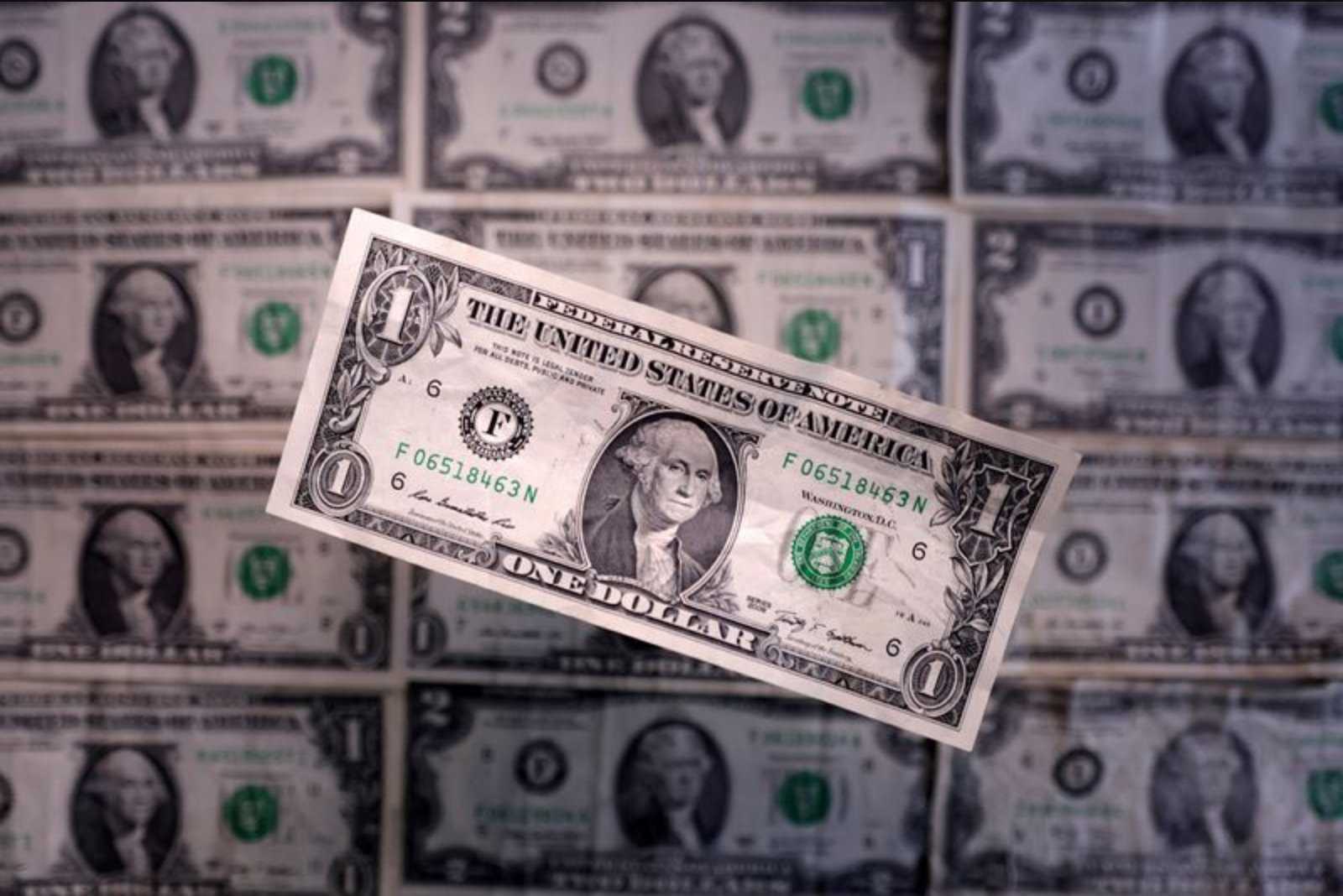
Global currency and energy markets opened the Asian trading session with renewed tension as the U.S. dollar hovered near its strongest levels so far this year. Market participants pointed to a sharp run-up in oil prices after attacks on merchant shipping and reduced traffic through the Strait of Hormuz, combined with fresh U.S. trade measures, as factors that could lift inflation and prompt central banks to act more aggressively.
The euro traded down 0.1% against the dollar at $1.1549 in early Asian hours, moving toward its lowest point since November. Japan’s yen slipped past the 159-per-dollar threshold briefly, easing as much as 0.2% to 159.23 and nearing its weakest level since July 2024. The Australian dollar also fell 0.1% to $0.7148, and the New Zealand dollar dropped 0.1% to $0.5907. Sterling weakened 0.2% to $1.3385.
Energy markets showed elevated stress. Brent crude jumped 6.9% to $98.30 at the start of Asian trading as supply prospects deteriorated following military strikes and a marked slowdown in vessel movements through the Strait of Hormuz. Oil market volatility climbed sharply: a Cboe gauge of oil volatility, which has risen in seven of the last eight sessions since the conflict began, surged to 121.01 on Wednesday, its highest reading since the early days of the 2020 pandemic.
Iran said the world should be prepared for $200-a-barrel crude as its military struck merchant vessels, and shipping activity through the Strait of Hormuz fell to a trickle. The resulting deterioration in supply outlooks threatens to push up energy costs and weigh on global growth, with economists warning that the risks intensify the longer the disruption persists.
U.S. political comments added to market uncertainty. The U.S. President said Washington was in "very good shape" in its efforts against Iran and that the country was "going to look very strongly at the Straits." At the same time, three sources familiar with the matter said U.S. intelligence assessments indicate Iran’s leadership remains largely intact and is not at risk of collapse after nearly two weeks of sustained U.S. and Israeli strikes.
Rodrigo Catril, a currency strategist at National Australia Bank in Sydney, cautioned that the situation suggested ongoing price swings for energy. "We should expect ongoing volatility in energy prices," he said on a podcast. He noted that the Strait of Hormuz affects not only crude oil but also LNG and fertilizers, and that prolonged restrictions on passage would continue to place upward pressure on prices.
Policy expectations have adjusted in response to market moves. Swaps pricing and breakeven inflation measures have widened, with analysts at ING noting that euro-zone 10-year swap rates are also approaching 3%. Market-implied probabilities now show the European Central Bank as a candidate to hike rates as soon as June, while the Reserve Bank of Australia is being priced for potential tightening at its meeting next week and another move in May, according to LSEG data.
In the United States, futures markets pushed back on the prospect of earlier Fed easing. Fed funds futures reflected a lower probability of a rate cut this summer, with implied odds that the central bank will refrain from cutting at its July meeting rising to 50.7% from 43.4% a day earlier, based on the CME Group’s FedWatch tool.
Officials and markets also had to digest new U.S. trade action. The administration launched a trade investigation into excess industrial capacity in 16 major trading partners, a step interpreted as an effort to reintroduce tariff pressure after the U.S. Supreme Court struck down the centerpiece of a previous tariff program last month.
Outside of currencies and oil, other markets registered modest moves. In offshore trading, the U.S. dollar was flat against the Chinese yuan at 6.8766. Bitcoin fell 0.6% to $70,231.21, and ether slipped 0.8% to $2,053.31.
Market context and implications
Higher oil prices directly raise energy costs for consumers and businesses, feeding into inflation measures that central banks monitor closely. The combination of supply fears and fresh trade tensions has shifted market pricing toward earlier and potentially larger rate increases by major central banks. That shift can influence borrowing costs, exchange rates and risk appetite across equities and fixed income.
Data limitations
The outlook depends on how long shipping disruptions persist and how policymakers respond. Publicly available intelligence assessments cited by sources indicate Iran’s leadership is intact, but that does not resolve the timeline for a reduction in hostilities or a full restoration of shipping flows. Market reaction to policy signals and oil-market developments will continue to be a key determinant of the currency and interest-rate trajectory.