
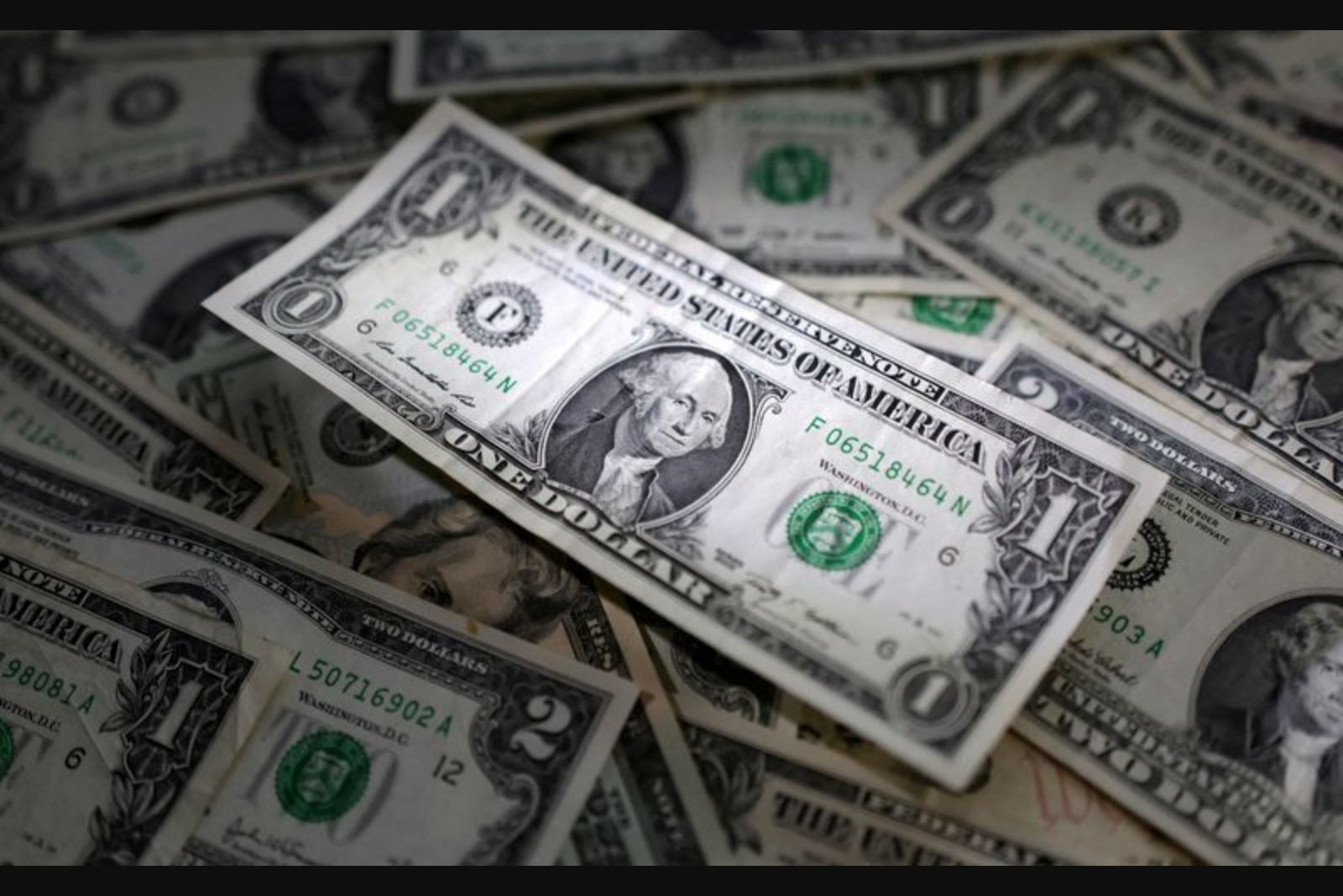
Global currency markets were subdued on Wednesday as traders digested a mix of geopolitical developments and awaited fresh guidance from U.S. policy makers. The greenback kept most of its recent gains, supported briefly by lower risk appetite tied to tensions in the Middle East and swings in U.S. equity markets, but eased later as reports signalled diplomatic progress in Geneva.
With many Asian markets closed for Lunar New Year, trading volumes were lighter and market focus concentrated on two key events: the Federal Reserve’s minutes from its January policy meeting, due later in the day, and U.S. economic data scheduled for Friday, when the Commerce Department will publish its first estimate of fourth-quarter gross domestic product.
Currency-specific moves were modest. The dollar index, which tracks the greenback against a basket of other currencies, was little changed at 97.11 following a two-day rise. The euro traded around $1.1852. The yen strengthened about 0.1% to 153.12 per dollar after domestic data showed an improvement in manufacturing sentiment and exports continued to climb.
Japan reported exports rose for a fifth consecutive month in January and a Reuters Tankan-style poll indicated that sentiment among the nation’s manufacturers improved in February for the first time in three months. The International Monetary Fund urged Tokyo to continue lifting interest rates and cautioned against loosening fiscal policy, reflecting the IMF’s view on monetary-fiscal balance in Japan.
Meanwhile, President Donald Trump announced the first tranche of major projects Tokyo will finance in the United States, with three projects valued at $36 billion. These commitments are the initial portion of roughly $550 billion in projects Japan agreed to undertake as part of efforts to reduce U.S. tariffs.
Risk sentiment fluctuated on geopolitical headlines. Iran said it had made progress in indirect nuclear talks with the United States in Geneva, with Iranian Foreign Minister Abbas Araqchi reporting an understanding on the main "guiding principles" from the second round of discussions, while cautioning that a deal was not imminent. At the same time, U.S.-mediated peace discussions between Ukraine and Russia wrapped up the first of two days in Geneva, with President Trump urging Kyiv to move quickly toward a resolution of the four-year conflict.
Currency markets also reflected central bank expectations in the region. The New Zealand dollar held its gains at about $0.6047 ahead of a Reserve Bank of New Zealand decision, where policymakers were widely expected to keep interest rates on hold. That decision coincided with Anna Breman, New Zealand’s first female central bank chief, chairing her inaugural meeting.
The Australian dollar was steady near $0.7083. Sterling traded at approximately $1.3563, stabilising after a 0.5% decline in the previous session.
Outside traditional markets, cryptocurrencies showed modest declines. Bitcoin slipped about 0.08% to $67,597.50, while ether fell roughly 0.18% to $1,995.63.
Looking ahead, market participants anticipated that the Fed minutes could offer clues on the timing and pacing of future rate reductions, while U.S. GDP data would provide further context on growth dynamics heading into the year. Against that backdrop, ongoing diplomatic negotiations in Geneva and evolving risk sentiment remained key drivers for short-term currency moves.