
Germany’s recovery is set to continue into 2026 but will face modest headwinds from higher energy costs linked to the escalation of the conflict in Iran and from the United States’ shifting trade measures, according to a new forecast by the German Institute for Economic Research (DIW).
DIW, one of the country’s principal economic forecasters, maintains a view that gross domestic product will expand by 1% in 2026 and by 1.4% in 2027, following a moderate increase of 0.2% in 2025. The institute said the recovery observed in early 2026 reflects robust public consumption and a stepwise rise in government investment - first concentrated on defence spending and subsequently expanding into infrastructure projects.
The institute noted that U.S. trade policy developments have so far had limited effects on German exports. A U.S. Supreme Court decision to invalidate many of the tariff measures imposed by President Donald Trump produced no discernible impact on Germany’s external sales, DIW said, because the administration replaced those tariffs with a temporary 150-day global 10% levy.
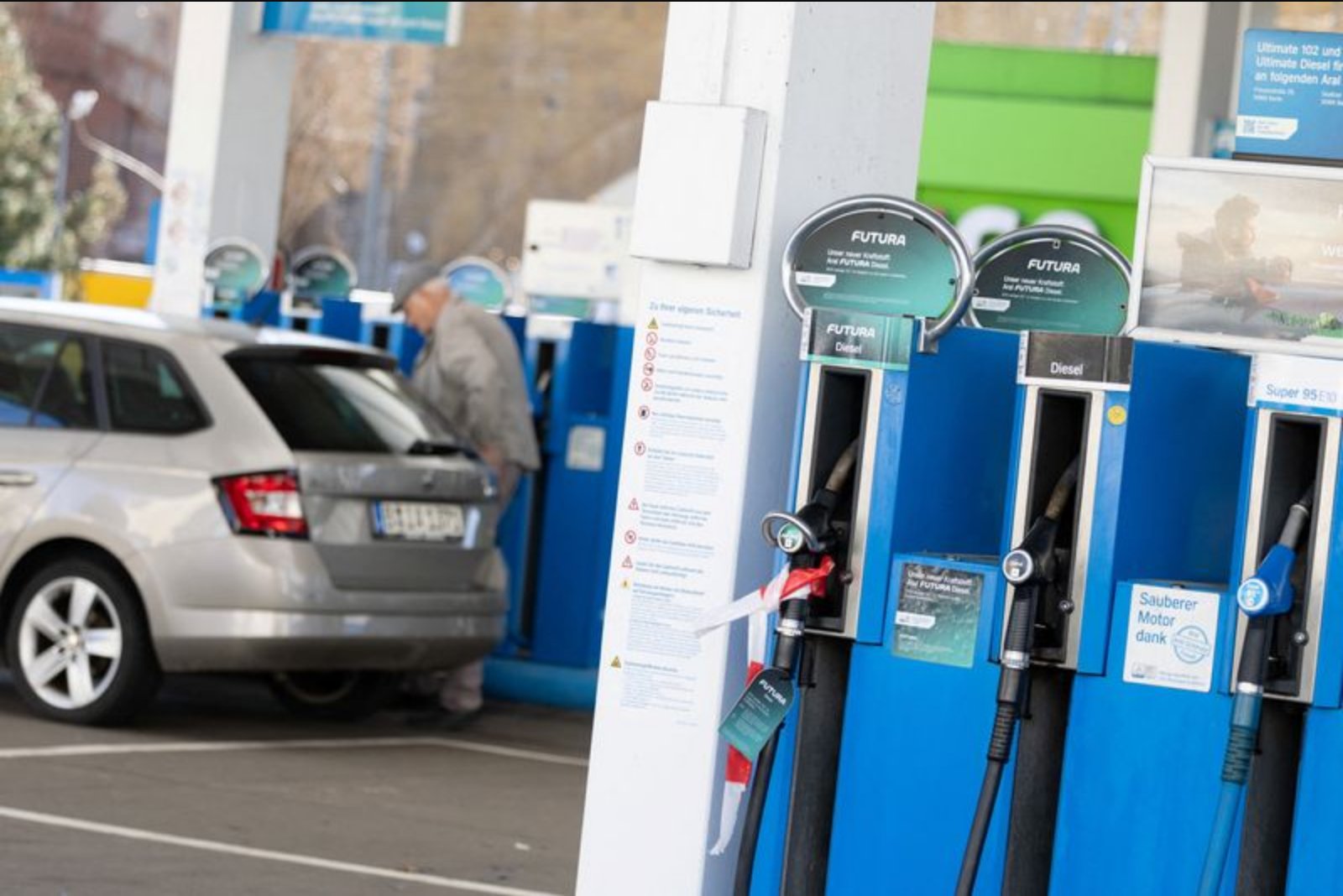
DIW assessed the recent uptick in energy prices stemming from the Middle East conflict as noticeably smaller than the energy shock experienced in 2022-2023. Operating on the assumption that the most intense phase of the price spike is behind markets and that oil and gas prices will rise only moderately from here, the institute estimated this development could add about 0.4 percentage points to inflation in 2026 and shave between 0.1 and 0.2 percentage points off GDP growth.
"Overall, this will slow down the recovery of the German economy, but it will not stop it," DIW said in its release. The institute put its inflation forecast at 2.4% for 2026 and 2.3% for 2027, and explicitly expects no further rate increases from the European Central Bank.
In sum, DIW’s outlook portrays a German economy that remains on a modest upward trajectory supported by public spending and targeted government investment, but facing measurable - if limited - headwinds from energy markets and international trade policy shifts.