
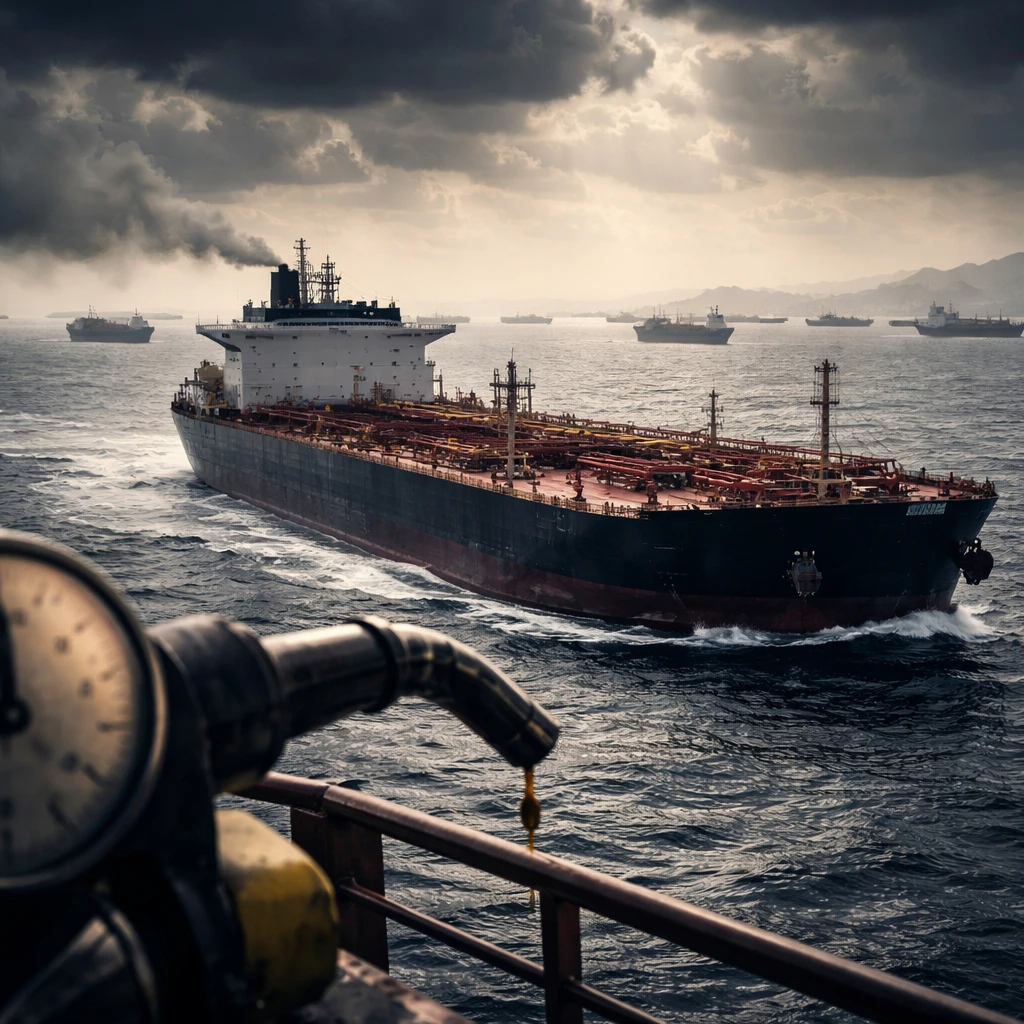
The Bank of England faces a renewed threat to its disinflation path as rising energy prices tied to the intensifying U.S.-Iran conflict inject a fresh pro-inflationary impulse into the UK economy, according to a new analysis from Deutsche Bank.
The German bank warns that an "oil shock" brought on by the effective closure of the Strait of Hormuz could push headline inflation toward 3% by the end of 2026. That prospect has already weighed on markets: the FTSE 100 traded down 0.85% on Monday as investors marked up the potential for higher input costs to erode corporate margins and consumer purchasing power.
Deutsche Bank's assessment highlights a critical transmission channel for imported inflation - the pace at which wholesale energy price moves flow through to the Consumer Price Index. Their modeling indicates that a sustained 10% increase in oil prices typically translates into roughly a 0.2 to 0.3 percentage point rise in UK headline inflation over a six-to-twelve-month horizon.
The geography of the shock matters. The Strait of Hormuz accounts for a meaningful share of global oil and LNG transit, and any extended disruption there could elevate domestic utility bills and raise transportation costs. Unlike the 2022 episode, which was driven primarily by natural gas, this shock is concentrated on crude oil and maritime logistics, with striking implications for the composition of inflation.
Analysts note that UK "goods" inflation is likely to bear the brunt of higher crude-related cost pressures, potentially offsetting the recent cooling seen in services prices. That dynamic raises the risk of second-round effects - notably through wage bargaining - if energy-driven price increases persist. Deutsche Bank's strategists emphasize that if Brent crude were to stabilise above $100 a barrel, the Bank of England might feel compelled to abandon a planned easing cycle in order to head off inflationary spirals in wage negotiations.
Market expectations for the Bank Rate have shifted markedly. Swaps markets now place a higher probability on the BoE preserving restrictive policy settings well into 2027, reflecting the view that the central bank may need to keep policy tighter for longer to combat imported cost-push inflation. That outlook is a key factor supporting recent resilience in the GBP/USD pair, as investors price a more hawkish BoE stance.
At the same time, Deutsche Bank cautions that the shock carries stagflationary risks - a combination of rising prices and weaker output. Their projection shows UK GDP could be reduced by about 0.4% in 2026 if energy costs remain elevated. Analysts further warn that Sterling's recent strength could prove fleeting if the energy shock deepens industrial contraction.
For policy-makers on the BoE's Monetary Policy Committee, the dilemma is stark: they must weigh the need to cool demand against the growing threat of imported inflation at a time when growth is already softening. The coming months, marked by volatile oil prices and uncertain shipping flows through the Strait of Hormuz, will be critical in determining whether the UK's disinflation path remains intact.
Implications highlighted in the analysis include:
- Energy-related cost pressures could reverse progress toward the BoE's 2% inflation target.
- Goods price inflation, utility bills, and transportation costs are the most directly exposed components.
- Market pricing now reflects a higher chance of prolonged restrictive policy, with potential effects on currency and corporate margins.