
Economy February 24, 2026

Democratic Attorneys General Lodge Multistate Suit Challenging Federal Changes to Childhood Vaccine Guidance

States allege policy shift and panel replacements at CDC risk lowering immunization rates and exceed agency authority

By Nina Shah
Democratic Attorneys General Lodge Multistate Suit Challenging Federal Changes to Childhood Vaccine Guidance

Two Democratic state attorneys general announced a multistate lawsuit challenging recent federal changes to the childhood immunization schedule and alterations to the CDC advisory panel. The complaint, to be filed in Northern California federal court, contends the updated CDC guidance and personnel moves were unlawful and could depress vaccination uptake, a concern flagged by medical groups and public health experts.

Key Points

  • A multistate lawsuit led by the California and Arizona attorneys general will challenge recent federal revisions to the childhood immunization schedule and the replacement of members on the CDC’s Advisory Committee on Immunization Practices - impacted sectors: public health, healthcare providers.
  • The CDC’s new schedule removed universal recommendations for vaccines including COVID-19, rotavirus, influenza, meningococcal disease, hepatitis A and hepatitis B, shifting guidance to 'shared clinical decision-making' between parents and clinicians - impacted sectors: pediatric care, vaccine distribution.
  • The legal action mirrors a separate suit filed by major medical organizations that contended the policy changes were illegal and not grounded in scientific evidence - impacted sectors: public health policy, legal services.

Two Democratic state attorneys general announced on Tuesday that a coalition of states would bring a multistate lawsuit against the federal administration over recent revisions to the nation’s childhood vaccine schedule and related personnel changes at the Centers for Disease Control and Prevention.

The attorneys general of California and Arizona said the complaint, to be filed in a Northern California federal court, will be joined by 14 states and Pennsylvania’s Democratic governor, Josh Shapiro. A press release accompanying the announcement named additional participating states including Connecticut, Michigan, New Jersey and Wisconsin.

The litigation targets a set of changes to the CDC’s immunization schedule that removed universal recommendations for vaccines against COVID-19, rotavirus, influenza, meningococcal disease, hepatitis A and hepatitis B. The updated guidance shifts those recommendations to a framework the agency describes as "shared clinical decision-making," advising parents to consult with health care providers.

The complaint will also challenge the replacement of members on the CDC’s Advisory Committee on Immunization Practices, a panel that advises the agency on vaccination policy. That panel’s meeting that had been scheduled in February was canceled, and it is now set to convene in March.

Medical organizations and public health experts have warned that the policy changes could reduce inoculation rates. A separate legal action previously filed by the American Academy of Pediatrics and other leading medical organizations argued that the policy overhaul was unlawful and not supported by scientific evidence; the multistate lawsuit will mirror that challenge.

An attorney for the U.S. Department of Justice said at a hearing earlier this month that the U.S. health agency was not pursuing an anti-vaccine agenda. A Massachusetts federal judge has not yet issued a decision in the case brought by medical organizations.

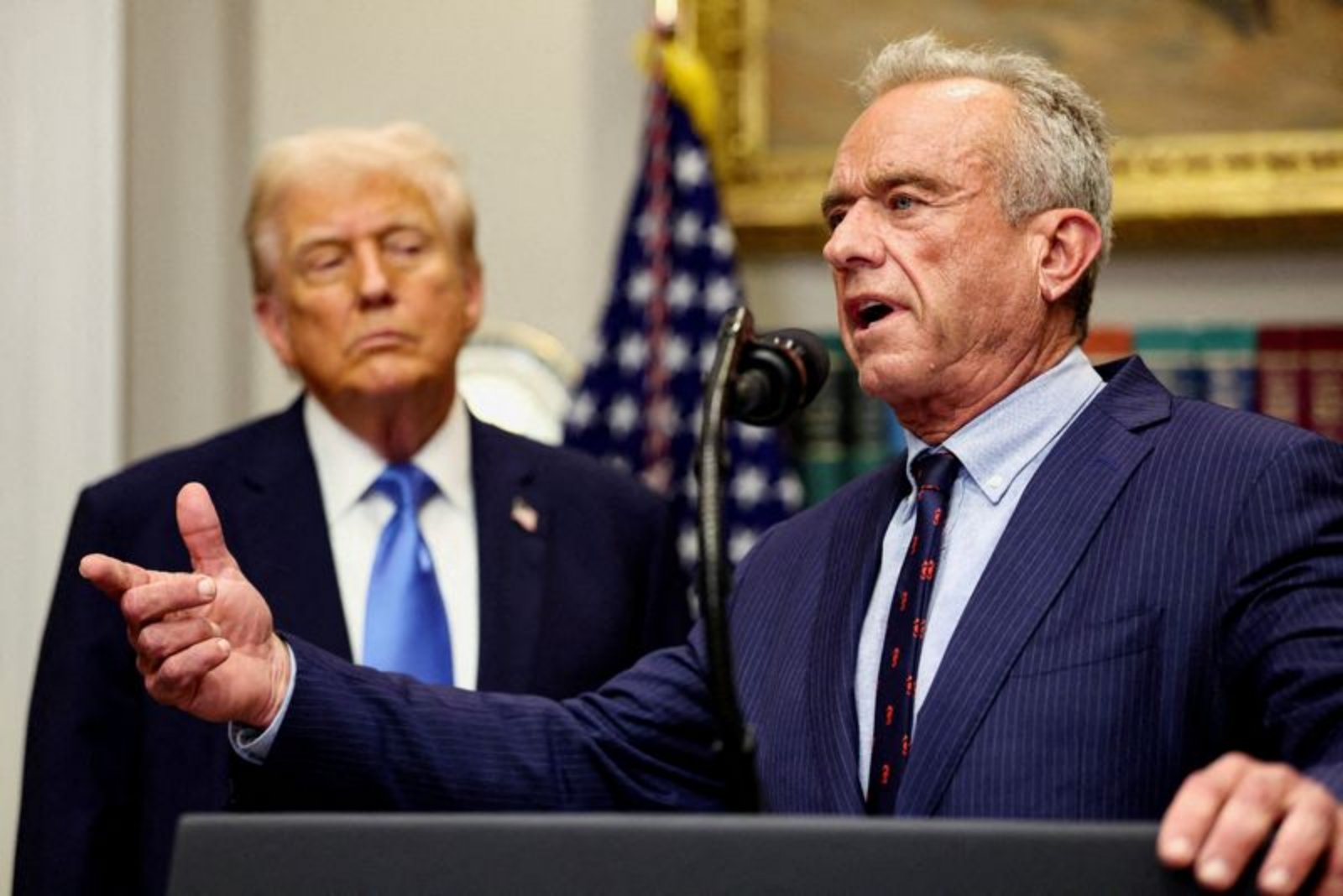
The announcement also highlighted that U.S. Health and Human Services Secretary Robert F. Kennedy Jr. has significantly altered longstanding vaccine policies since assuming his post. The states' complaint will set these changes and the advisory committee replacements at the center of their legal challenge.


Next steps - The multistate complaint is to be filed in Northern California federal court, where the parties will seek judicial review of the CDC schedule changes and the personnel moves affecting the advisory committee.

Risks

  • Lower inoculation rates: Medical organizations and public health experts warn the policy changes could reduce vaccination uptake, posing risks for public health and pediatric healthcare demand.
  • Regulatory and legal uncertainty: The challenge to the CDC’s guidance and the replacement of advisory committee members create legal uncertainty for public health agencies and stakeholders while courts decide the disputes - impacted sectors: government health agencies, healthcare providers.
  • Pending judicial outcomes: Ongoing court proceedings, including a separate case still awaiting a decision by a Massachusetts federal judge, mean policy and operational guidance could change depending on rulings - impacted sectors: hospitals, insurers, vaccine manufacturers.

More from Economy

White House Economist Calls Weekend AI Risk Paper 'Science Fiction' Feb 24, 2026 Anthropic Keeps Limits on Military Use After Face-to-Face with Pentagon Feb 24, 2026 Investors Await State of the Union as Policy Signals Threaten Market Calm Feb 24, 2026 SEC Revises Enforcement Manual to Give Probe Subjects More Time and Access Feb 24, 2026 S&P 500 Seen Rising About 10% by Year-End Despite Trade and AI-Related Headwinds Feb 24, 2026