
Economy March 6, 2026

Daly Says Job Market Shows Vulnerability but Urges Caution on Cutting Rates

San Francisco Fed president highlights two-sided risks from persistent inflation and rising oil prices amid Iran tensions

By Hana Yamamoto
Daly Says Job Market Shows Vulnerability but Urges Caution on Cutting Rates

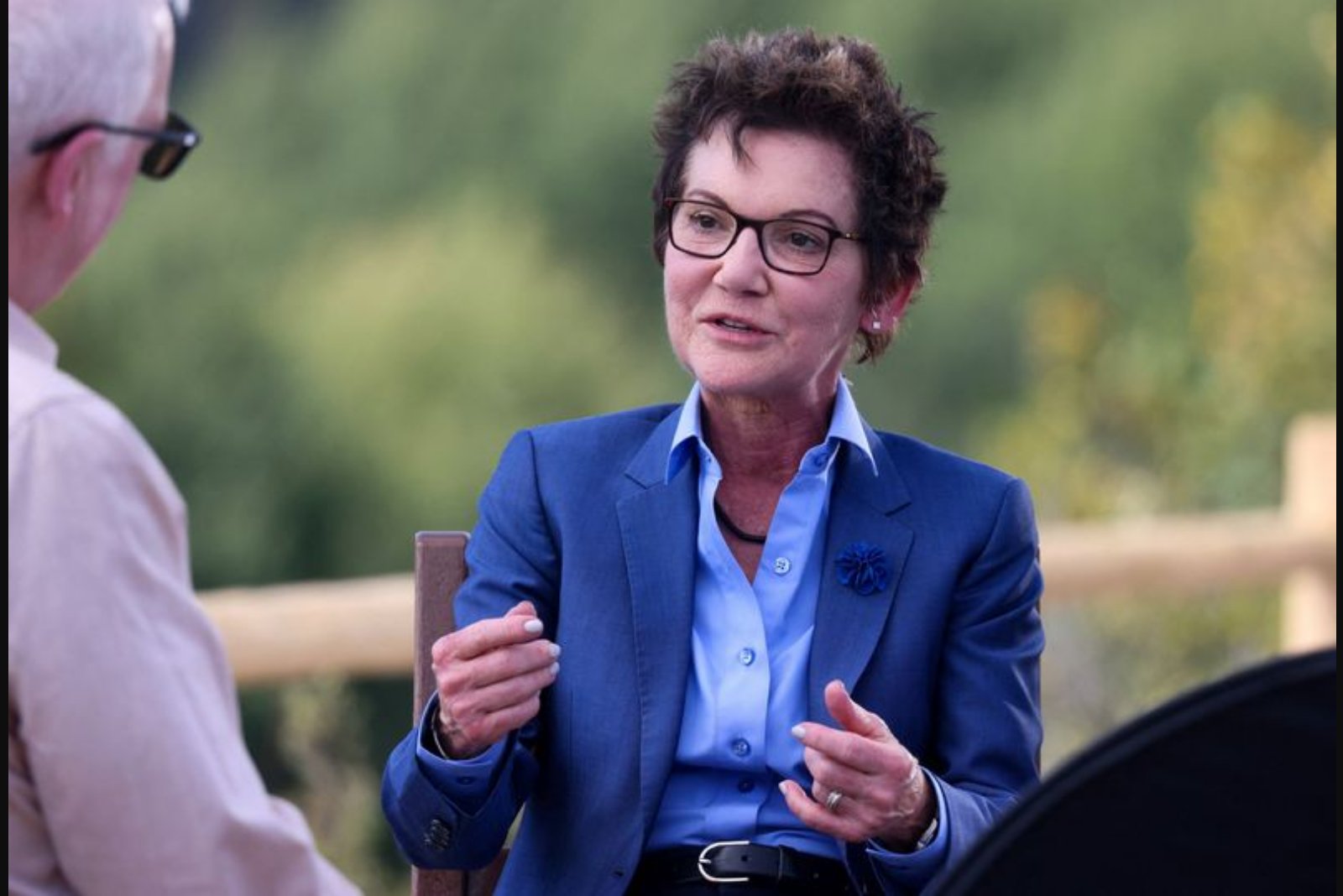
San Francisco Federal Reserve President Mary Daly said a weaker-than-expected U.S. jobs report heightens her concern about the labor market but does not, by itself, justify an immediate cut in interest rates. Daly cited two-sided risks from still-elevated inflation and a recent runup in oil prices tied to the Iran conflict, and she advocated pausing to gather additional data rather than acting precipitously.

Key Points

  • Weaker-than-expected jobs data raises concern about labor market vulnerability - impacts hiring-sensitive and consumer-facing parts of the economy.
  • Daly emphasized two-sided risks: persistent inflation and a runup in oil prices amid the Iran conflict - implications for energy markets and inflation expectations.
  • She presented holding policy rates steady while collecting more information as a viable option, rather than immediately cutting or hiking rates - relevant to interest-rate-sensitive sectors and financial markets.

San Francisco Federal Reserve President Mary Daly said the latest, weaker-than-expected U.S. jobs report increases her concern about labor market conditions, but she argued it should not automatically trigger an immediate cut to policy rates.

Asked about the appropriate policy response, Daly noted the Fed faces "two-sided" risks: inflation that remains too high and an uptick in oil prices amid the Iran conflict. Those factors, she said, argue for caution before altering short-term borrowing costs.

"There’s another alternative which is also a policy alternative, which is to hold them steady while we collect more information," Daly told CNBC, referring to short-term borrowing costs that the Fed cut last year but held steady in January. She added: "I’m certainly not in a position to think we should be hiking interest rates, but I think there’s a real issue about whether we should meet immediately, urgently act on the labor market, or whether we should wait to think through the data."

Daly’s remarks stressed a data-dependent approach: the labor report has raised caution, yet the broader inflation picture and recent movements in oil prices mean policy makers face competing considerations. The option to maintain the current stance while awaiting clearer signals was presented as a viable policy path alongside other choices.

The comments reiterated that, despite signs of softening in employment, the Fed is not positioned to move toward tightening. At the same time, Daly signaled that impulsive easing in response to a single labor release would be premature given the persistence of inflationary pressures and geopolitical influences on energy markets.

Her view frames the Fed’s near-term challenge as balancing the evidence from the labor market against broader price pressures and supply-side shocks to energy costs. That balancing act, Daly said, argues for measured deliberation rather than immediate policy shifts.


Summary

Mary Daly said a weak jobs print reinforces concern about labor market vulnerability but does not compel an immediate rate cut. She emphasized the Fed faces two-sided risks from still-too-high inflation and a rise in oil prices linked to the Iran conflict, and she advocated holding rates steady while collecting more data.

Risks

  • Persistent inflation remains a downside risk that could limit scope for policy easing - affects consumer prices and interest-rate-sensitive markets.
  • Runup in oil prices amid the Iran conflict introduces supply-side inflationary pressure and market volatility - directly impacts the energy sector and broader inflation readings.
  • A weaker-than-expected jobs report creates uncertainty about labor market strength and complicates the timing of any policy response - introduces risk to hiring-dependent industries and consumer demand.

More from Economy

Where Fed Officials Stand: A Snapshot of Policy Views Ahead of the March Meeting Mar 6, 2026 White House Secures Deal to Quadruple Output of 'Exquisite Class' Arms Mar 6, 2026 Cleveland Fed President Calls February Jobs Report a Disappointment, Urges Caution on Policy Mar 6, 2026 Pimco Warns Direct-Lending Could Face Its First Major Default Cycle as Investors Seek Redemptions Mar 6, 2026 Soft February Jobs Print Adds Uncertainty to Fed Outlook as Markets React Mar 6, 2026