
Economy February 26, 2026

Cuba Vows Firm Response After Deadly Maritime Incursion

President Diaz-Canel says Havana will defend its sovereignty after clash with armed visitors from Florida-registered craft

By Leila Farooq
Cuba Vows Firm Response After Deadly Maritime Incursion

Cuban President Miguel Diaz-Canel declared the island will defend itself against what he described as 'terrorist and mercenary aggression' following a clash in which Havana says four exiles were killed and six wounded after arriving by a Florida-registered speedboat and opening fire on a Cuban patrol. The episode unfolded amid strained ties with the United States and ongoing fuel shortages that have exacerbated power cuts across the country.

Key Points

  • Cuban authorities say four exiles were killed and six wounded after arriving by a Florida-registered speedboat and opening fire on a Cuban patrol.
  • President Miguel Diaz-Canel declared on X that Cuba will defend itself against "terrorist and mercenary aggression," while asserting the country does not initiate attacks or threats.
  • The incident occurs during heightened tensions with the United States and amid fuel shortages that are affecting transport and intensifying power outages; the U.N. has warned of a potential humanitarian crisis if energy needs remain unmet.

Cuba's president, Miguel Diaz-Canel, said on Thursday that the country will protect its sovereignty and stability in the face of what he called "terrorist and mercenary aggression that seeks to undermine its sovereignty and national stability." The statement, posted on X, followed a lethal maritime incident earlier in the week.

Havana reported that on Wednesday four exiles were killed and six others wounded after a group sailed into Cuban waters aboard a Florida-registered speedboat and opened fire on a Cuban patrol. Cuban authorities said the group consisted of anti-government Cubans, and that some members had previously been wanted for plotting attacks.

In his message on social media, Diaz-Canel stressed Cuba's defensive posture. "Cuba does not attack nor threaten," he wrote. "We have stated this on repeated occasions and reaffirm it today: Cuba will defend itself with determination and firmness."

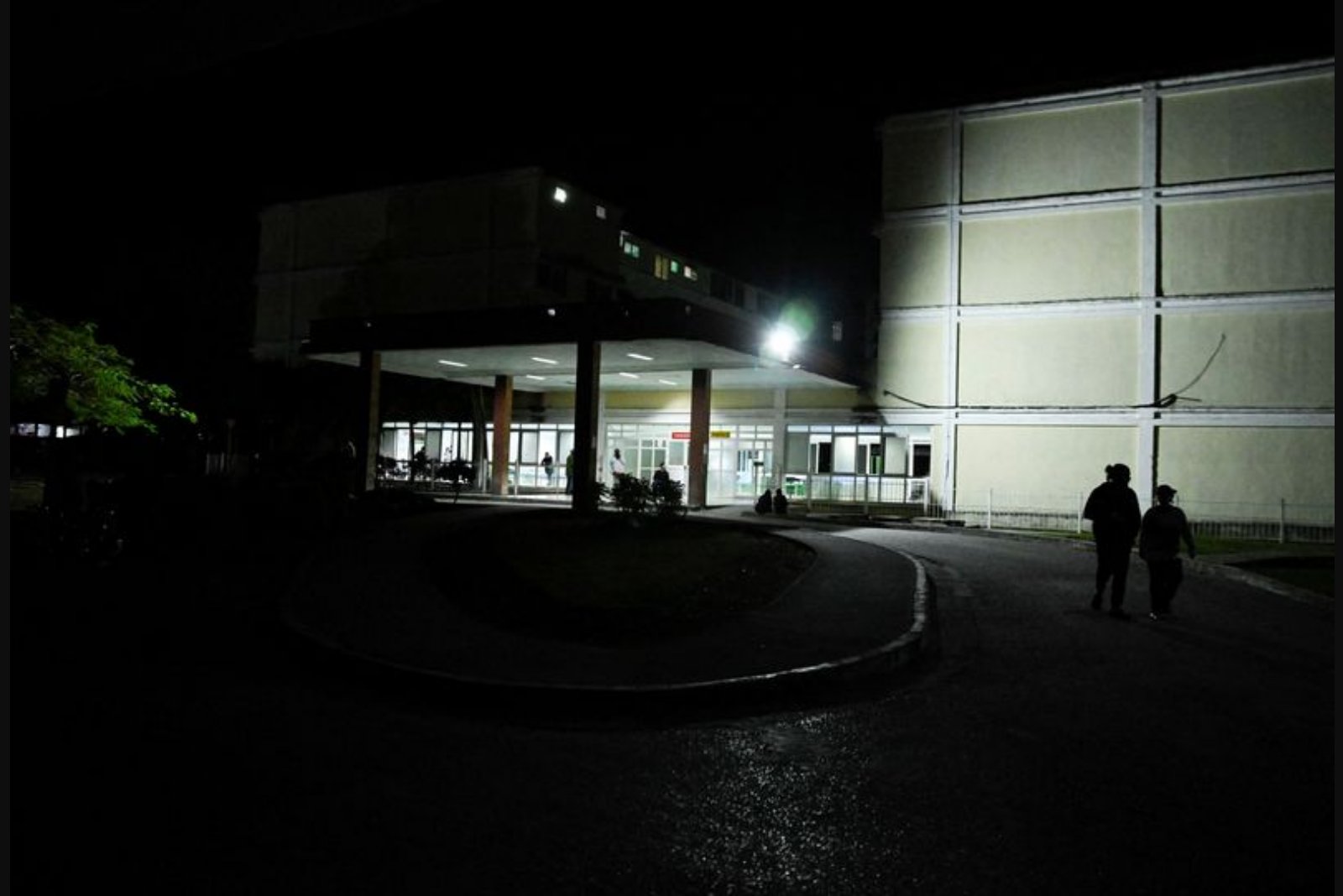
The episode occurred amid heightened tensions with the United States. According to the Cuban government, the United States has blocked oil shipments to the island as part of measures intended to pressure the Communist-run government. Those restrictions have coincided with persistent fuel shortages that officials say are affecting transportation services and worsening power cuts on the Caribbean's largest island.

Cuban officials emphasize that the nation's electricity grid depends on imported oil, and the shortfalls in fuel supply have had direct consequences for both mobility and the reliability of electricity. The United Nations has warned that if Cuba's energy needs are not addressed, the situation could heighten into a humanitarian crisis.


This developing domestic security incident and the concurrent energy constraints underscore converging pressures on Cuba's infrastructure and public services. Authorities have framed the maritime clash as an attack by anti-government actors and have said they will respond decisively to protect national stability.

Risks

  • Escalation of security confrontations at sea or along coastal approaches - potential impact on maritime operations and regional security perceptions.
  • Ongoing fuel shortages and resulting power cuts - direct effects on transport services and electricity-dependent sectors, with an associated humanitarian risk highlighted by the U.N.
  • Heightened diplomatic tensions with the United States tied to blocked oil shipments - implications for energy availability and public service reliability.

More from Economy

Preparations for Trump-Xi Beijing Summit Lag as Clock Ticks Down Feb 26, 2026 Trump Labor Department Moves to Repeal Biden-Era Independent Contractor Rule Feb 26, 2026 China’s legislature strips nine military officers of parliamentary seats Feb 26, 2026 Fed Governor Miran Says Policy Rates Should Be Cut About One Percentage Point in 2026 Feb 26, 2026 Majority of Europeans See New Defense and Infrastructure Spending as a Personal Financial Risk, ING Survey Finds Feb 26, 2026