
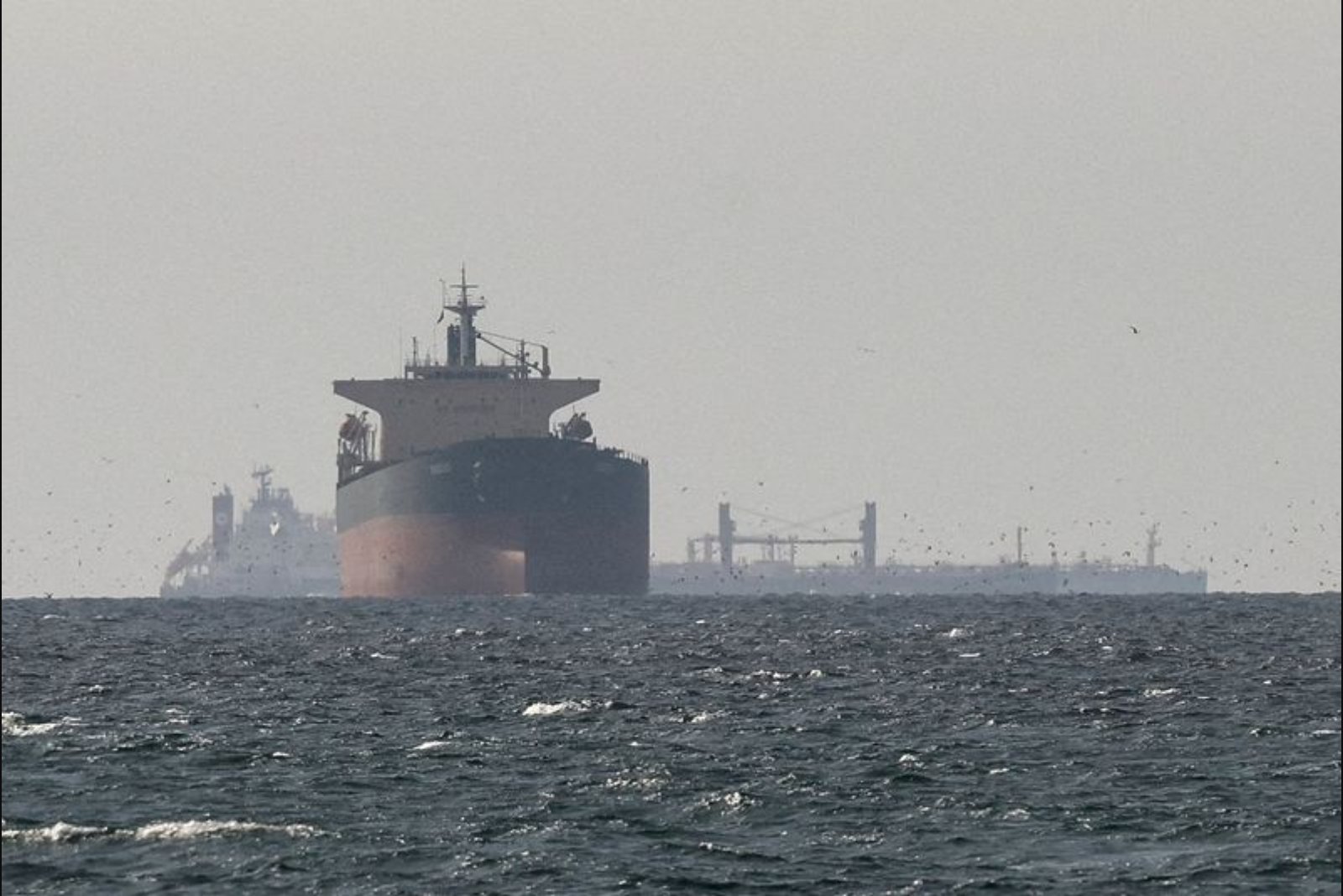
Global markets opened the week under renewed strain as investors factor in the possibility that fighting in the Middle East could persist, keeping crude prices close to the $100 per barrel mark. That prospect has amplified selling in both bond and equity markets, while traders rush to re-evaluate stagflation risks and move into perceived safe havens.
As the conflict approaches the two-week milestone on Friday, political leaders in Iran, Israel and the United States have continued to signal defiance, a dynamic that has reduced hopes for a swift resolution. The growing likelihood of a prolonged disruption has reshaped expectations for interest rates around the world.
In the United States, market pricing has shifted markedly since late February. Traders are now not fully counting on even a single Federal Reserve rate cut this year - a contrast to the expectation for two cuts that prevailed at the end of February. In Europe, money markets reacted strongly on Thursday, fully pricing in an ECB rate increase by July and assigning roughly a 70% probability to a further hike by December. By comparison, in February traders had put about a 40% chance on a rate cut in the euro area before year-end.
Those changing rate outlooks coincide with an intensification of moves in bond markets. Euro area benchmark Bund yields rose on Thursday to their highest level in almost two and a half years. In the United States, two-year Treasury yields - which are particularly sensitive to rate expectations - climbed to a six-month high.
The US dollar has been the principal refuge for investors since the conflict began, strengthening by more than 2% against six major currencies. That appreciation reflects the broader shift toward risk-off positioning as market participants seek liquidity and perceived safety.
Asian markets began the session on slightly firmer footing after the United States granted a 30-day waiver allowing countries to buy sanctioned Russian oil and petroleum products that were stranded at sea. The announcement eased oil prices and helped equities pare some losses. Treasury Secretary Scott Bessent said the move was a step to stabilize global energy markets.
"The move was a step to stabilize global energy markets," Treasury Secretary Scott Bessent said.
Even so, the muted market reaction to the waiver highlighted deeper worries about inflation and a generally bleak investor mood. Traders and portfolio managers remain cautious, uncertain whether any relief is transitory or sufficient to change broader market dynamics.
Looking toward the immediate calendar, US and European stock futures pointed to a slightly higher open, though analysts cautioned that sustaining any early gains will be difficult amid the prevailing uncertainty. A packed slate of central bank meetings next week will be closely watched, as policymakers will have an opportunity to lay out their assessments of inflation, growth and interest rate paths.
Key economic releases that could sway markets on Friday include UK GDP figures, France consumer price inflation data, and euro zone industrial and manufacturing reports. These data points, together with central bank commentary, are likely to shape near-term positioning across rates, currencies, oil and equity markets.
Summary: A prolonged Middle East conflict keeping oil near $100 a barrel has intensified selling in bonds and stocks, strengthened the US dollar, and caused traders to raise the probability of higher-for-longer interest rates from major central banks. Short-term market direction will hinge on upcoming central bank meetings and key economic data releases.