
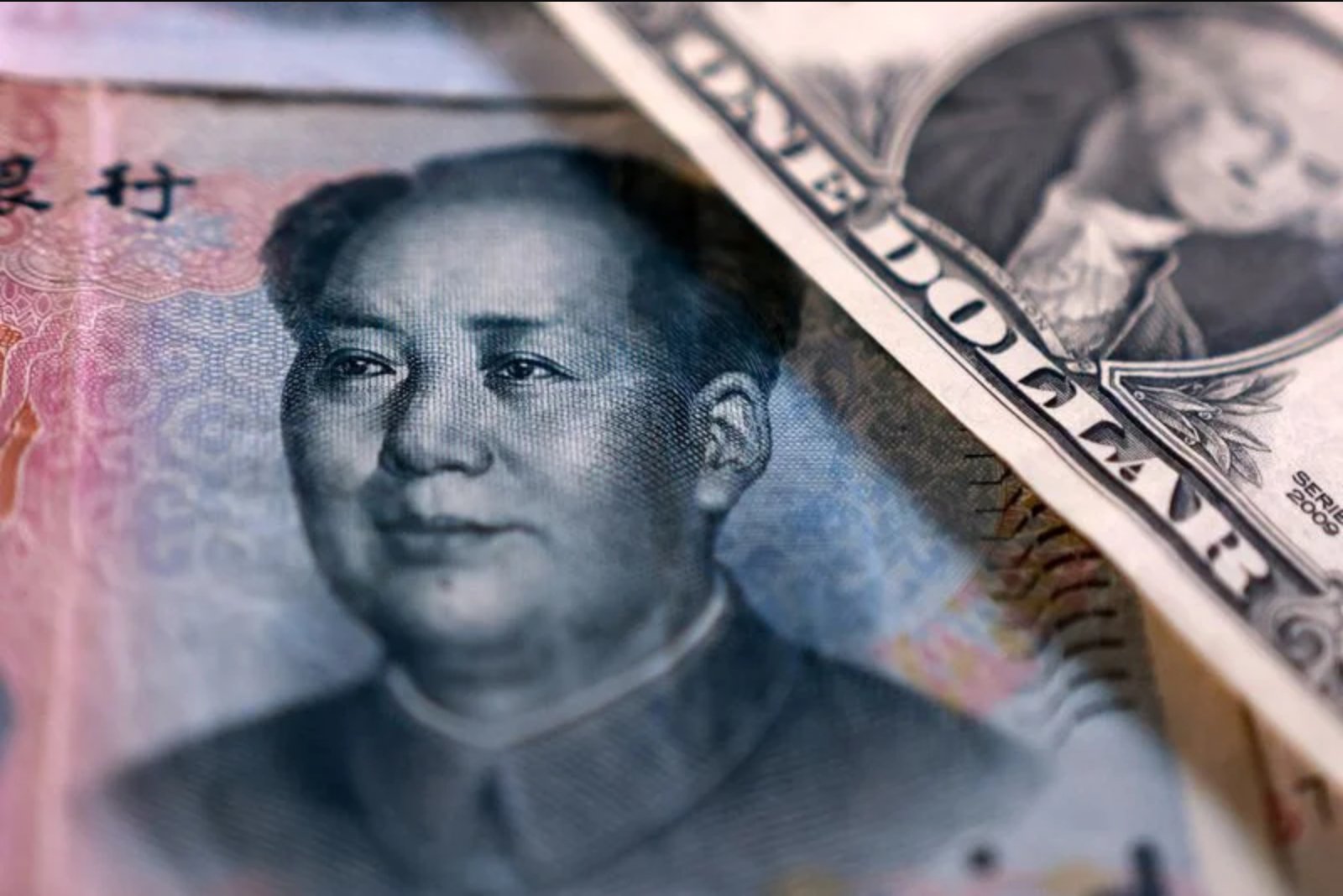
Multiple commercial banks in China have raised the rates offered on U.S. dollar deposits over the past few weeks, sources with direct knowledge of the decisions said. The banks involved range from state-owned giants to smaller joint-stock institutions, and at least five lenders have adjusted their dollar deposit pricing upward.
One source described their bank as "making a push to effectively woo dollar deposits from new clients." Two other sources said they were now offering dollar deposit rates at around or above the U.S. Secured Overnight Financing Rate, which currently stands at 3.61%.
The changes varied across individual banks and applied to either corporate or retail clients, but the overall direction was consistently higher, the sources added. All requested anonymity because they were not authorised to speak publicly on the matter.
It is unclear whether the rate increases were informally guided by the central bank. The People's Bank of China did not immediately respond to a request for comment after business hours.
Market participants offered two strands of interpretation for the adjustments. Some traders view the rate lifts as a tool to absorb dollar liquidity within the banking system and thereby slow the pace at which the yuan is strengthening. A separate trader at a foreign bank said the higher offered rates could soak up dollars and prevent the yuan from rising too fast.
Other commentary pointed to broader funding conditions: "The latest rate adjustment reflects the broad increase in global U.S. dollar funding costs, and there is no need to compress the U.S. dollar demand given the yuan's strength," said Gary Ng, senior economist for Asia Pacific at Natixis.
Another market voice warned of domestic balance effects: "If the U.S. dollar deposit rate is too different from the world, money may flow out of the banking sector into other wealth management products."
The yuan has gained more than 3% against the U.S. dollar so far this year. Some market participants and businesses have expressed concern that a currency that becomes too strong could weigh on export competitiveness.
Media reports earlier indicated that China has been allowing some banks to offer higher interest rates on corporate U.S. dollar deposits. The recent moves represent a loosening of a dollar deposit rate ceiling that had been put in place in 2023, when the currency faced depreciation pressure.
Foreign exchange deposits in China stood at $1.15 trillion at the end of April, up about 20% from a year earlier. The combination of rising FX deposit balances and adjusted pricing underscores the evolving dynamics of dollar liquidity, domestic deposit competition, and currency management in the current market environment.
Summary
Several Chinese banks have recently lifted U.S. dollar deposit rates, with at least five institutions raising offers to corporate or retail customers. Rates at some banks are now around or above SOFR of 3.61%. The moves are being interpreted as both a response to higher global dollar funding costs and a potential mechanism to absorb dollars and temper yuan appreciation. FX deposits stood at $1.15 trillion at end-April, roughly 20% higher than a year earlier.
Key points
- At least five commercial banks in China raised dollar deposit rates in recent weeks, covering state-owned and joint-stock lenders.
- Some banks are offering rates at or above the U.S. SOFR of 3.61%, aiming to attract dollar deposits and manage currency flows.
- Sectors impacted include currency markets, export-oriented industries sensitive to yuan strength, and domestic banking and wealth management as deposit competition shifts.
Risks and uncertainties
- Unclear central bank guidance: It is not known whether the People's Bank of China has informally directed the change in dollar deposit ceilings, introducing uncertainty for market expectations.
- Deposit flight to other products: If dollar deposit rates diverge sharply from global norms, deposits could shift out of the banking sector into alternative wealth management products, affecting bank liquidity.
- Export competitiveness: Continued yuan strength - the currency is up over 3% year-to-date - may raise concerns for exporters about competitiveness, potentially influencing trade-sensitive sectors.