
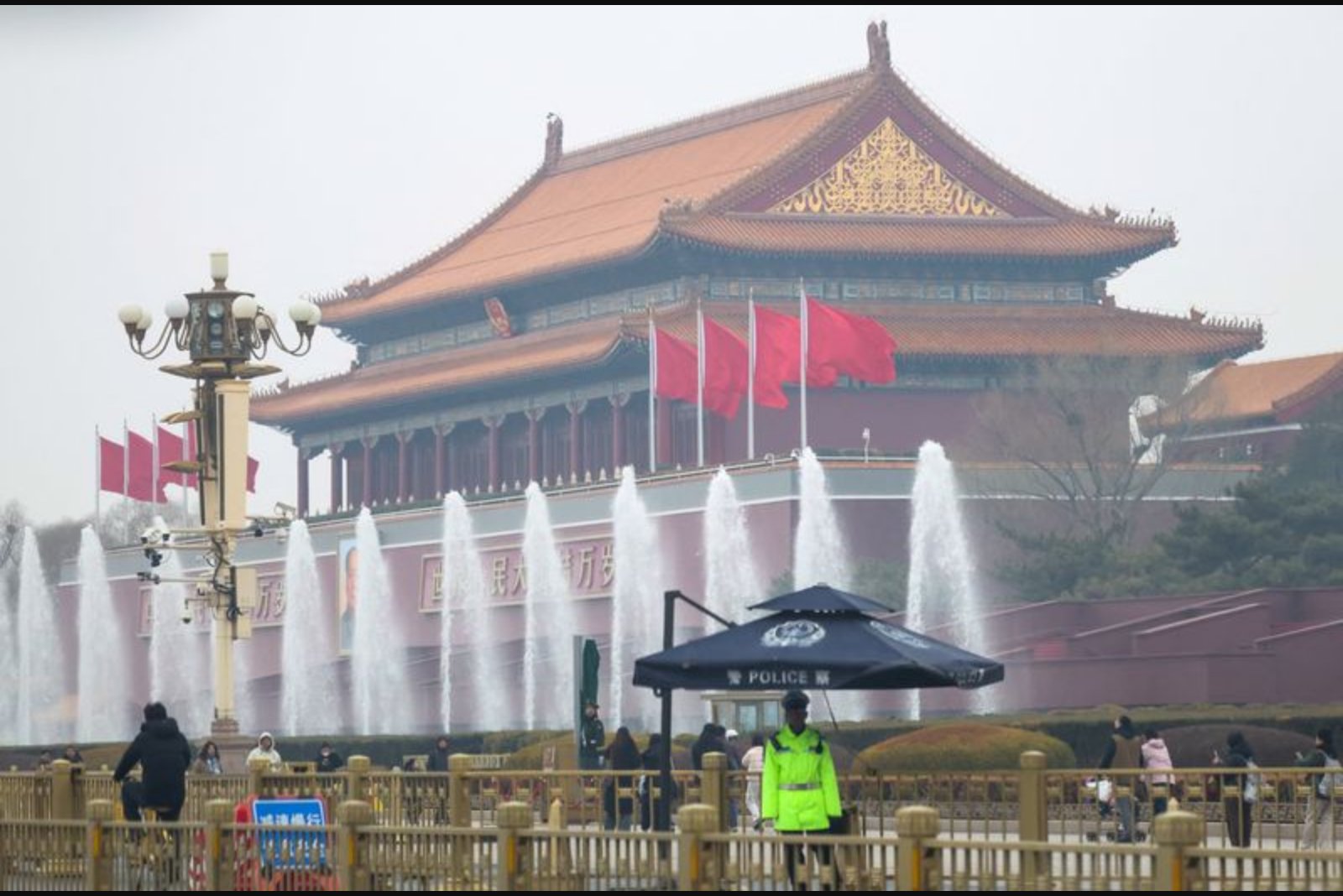
China’s top economic objectives for 2026 will be disclosed at the annual parliamentary session beginning on March 5, when Premier Li Qiang is expected to lay out the government’s formal targets. The parameters policymakers set will frame fiscal and monetary signaling for the year, touching growth, public borrowing, employment and consumer prices.
Growth target
Most analysts anticipate that Beijing will lower the official economic growth target to "4.5-5%," marking the first reduction in four years. Sustaining growth at 5% has become more difficult without large-scale stimulus measures, according to those forecasts. A minority of forecasters, including economists at Morgan Stanley, expect the government to leave the target near 5%, arguing that policymakers may prefer to project confidence at the outset of a new five-year policy cycle.
Budget deficit and fiscal priorities
The headline budget deficit is expected to remain at 4% of gross domestic product (GDP), with Beijing signaling a shift toward a "more proactive" fiscal stance this year. Economists say fiscal spending is likely to prioritize infrastructure and industrial investment as well as efforts to achieve technological breakthroughs. The authorities may direct some funds toward measures to bolster consumption, though observers note it is unclear how large those consumption-support measures would be.
Special government debt
Projections for special debt issuance point to sizable quotas in 2026. Goldman Sachs has forecast a 1.8 trillion yuan quota for special treasury bonds issued by the central government and a 4.6 trillion yuan quota for special local government bonds. Citi and the Economist Intelligence Unit have set expectations for central government special issuance at 1.6 trillion yuan. Policymakers used similar tools last year: China set a 1.3 trillion yuan quota for ultra-long special treasury bonds to fund stimulus programmes and issued a further 500 billion yuan in debt to recapitalise major state banks. The local special bond quota in that year was set at 4.4 trillion yuan. It is important to note that special debt is not included in official budget deficit calculations.
Employment
Labour market targets will be scrutinised as well. China created 12.67 million new urban jobs last year and recorded a full-year unemployment rate of 5.2%. Citi economists expect the government to set a job-creation goal exceeding 12 million new positions for the coming year, matching the targets of the prior two years. The country will see a record cohort of 12.7 million college graduates this year, a variable that shapes labour market pressures and policy focus.
Inflation
Economists broadly expect the official inflation target to remain around 2%. Market participants generally treat that figure as more of a ceiling than a literal policy goal. The country has faced pronounced deflationary pressures since the pandemic. On a month-to-month comparison, consumer prices rose 0.2% year-on-year in January, down from a 0.8% increase in December.
Exchange reference
For reference in international markets, the exchange rate cited is $1 = 6.8824 Chinese renminbi.
As policymakers present the formal targets in the parliamentary session, markets and businesses will parse the details to gauge the likely mix of fiscal stimulus, debt issuance and measures aimed at supporting jobs and consumption.